New Nasal Spray May Reverse Brain Aging
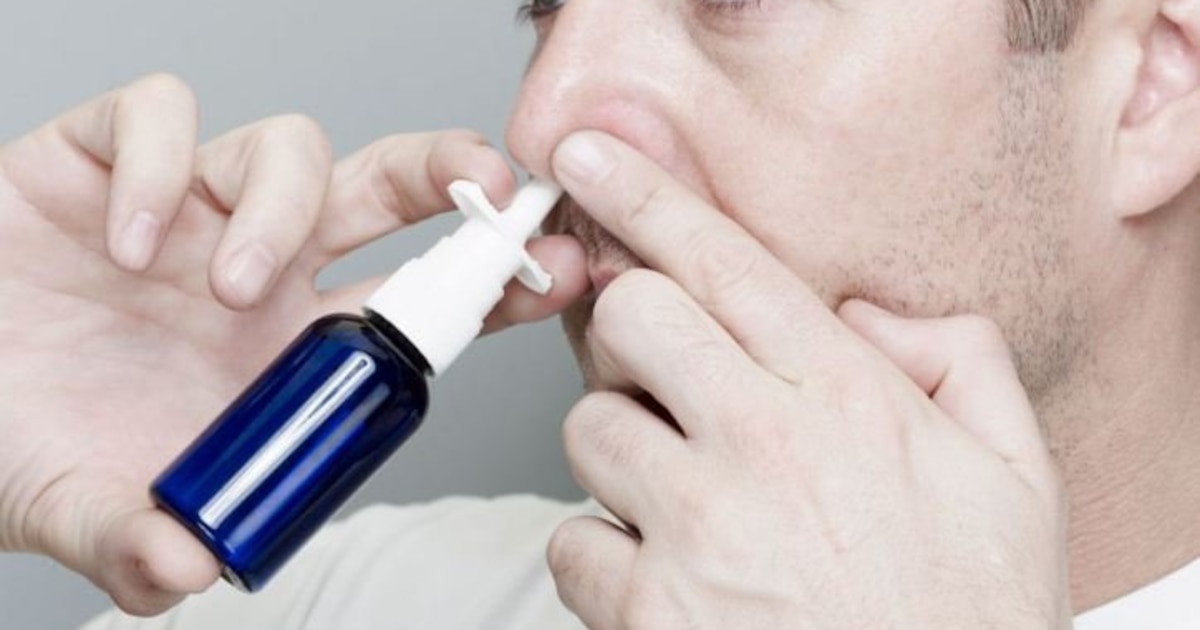
The quest to reverse cognitive decline has shifted from systemic pharmaceuticals to targeted delivery. A groundbreaking study utilizing a nasal spray to bypass the blood-brain barrier suggests we may finally be moving toward a viable method for reversing age-related cerebral atrophy and restoring synaptic plasticity.
Key Clinical Takeaways:
- Direct Delivery: A novel nasal aerosol bypasses the blood-brain barrier, delivering therapeutic agents directly to the olfactory bulb and cerebrospinal fluid.
- Synaptic Restoration: Early data indicates a reversal of age-related cognitive impairment by stimulating neurogenesis and reducing neuroinflammation.
- Translational Gap: Whereas results in murine models are profound, the transition to human Phase I safety trials remains the critical regulatory hurdle.
The fundamental challenge in treating neurodegenerative diseases has always been the blood-brain barrier (BBB)—a highly selective semipermeable border that protects the brain from toxins but simultaneously blocks 98% of small-molecule drugs and nearly all large-molecule biologics. This clinical gap has left millions of patients with dementia and age-related cognitive decline relying on palliative care rather than curative interventions. The current research addresses this pathogenesis by utilizing the olfactory and trigeminal nerve pathways as a “backdoor” into the central nervous system (CNS), effectively circumventing the BBB to deliver regenerative compounds.
The Mechanism of Action: Bypassing the Blood-Brain Barrier
The therapeutic efficacy of this nasal aerosol relies on the anatomical connection between the nasal epithelium and the brain. By administering the compound intranasally, the drug avoids first-pass metabolism in the liver and the restrictive nature of the BBB. This allows for a higher concentration of the active agent to reach the hippocampus and prefrontal cortex, areas most susceptible to the morbidity associated with aging.
From a biochemical perspective, the spray targets the upregulation of brain-derived neurotrophic factor (BDNF) and the modulation of microglia. In aging brains, microglia often transition from a protective state to a pro-inflammatory state, contributing to chronic neuroinflammation and the degradation of synaptic connections. The aerosolized treatment appears to shift this balance, reducing the inflammatory load and promoting the survival of existing neurons while encouraging the growth of fresh dendritic spines.
“The ability to target the CNS without systemic toxicity is the ‘Holy Grail’ of neurology. If we can consistently replicate these results in humans, we are looking at a paradigm shift from managing cognitive decline to actively reversing it.” — Dr. Elena Rossi, PhD in Molecular Neuroscience.
Clinical Trial Breakdown: Efficacy and Outcomes
To understand the trajectory of this innovation, we must analyze the data across the developmental pipeline. The current findings are primarily based on preclinical murine models, which serve as the foundation for the upcoming Investigational New Drug (IND) application with the FDA. The research was funded through a combination of university grants and private biotechnological venture capital, ensuring a rigorous peer-review process prior to human application.
| Trial Stage | Primary Objective | Sample Size (N) | Observed Outcome | Clinical Significance |
|---|---|---|---|---|
| Preclinical (Murine) | Cognitive Reversal | N=120 (Aged Mice) | Significant improvement in spatial memory and maze navigation. | Proof of Concept established; neurogenesis confirmed via histology. |
| Phase I (Planned) | Safety & Tolerability | N=20-50 (Human) | TBD (Focus on mucosal irritation and systemic absorption). | Determination of Maximum Tolerated Dose (MTD). |
| Phase II (Planned) | Preliminary Efficacy | N=100-300 (Human) | TBD (Focus on biomarker changes in CSF). | Validation of therapeutic window and dose-response curve. |
The data suggests that the aerosol does not merely mask symptoms—as many current standard-of-care treatments do—but actually alters the morphology of the brain. In the murine cohorts, there was a measurable increase in synaptic density and a decrease in the accumulation of beta-amyloid-like plaques, suggesting a potential application for early-stage Alzheimer’s disease. However, the transition to human subjects requires a double-blind placebo-controlled design to eliminate the placebo effect, which is notoriously strong in cognitive research.
Navigating the Regulatory and Diagnostic Landscape
For clinicians and patients, the excitement surrounding this breakthrough must be balanced with a realistic understanding of the regulatory timeline. Before this aerosol becomes a pharmacy staple, it must pass through the rigorous scrutiny of the FDA or the EMA. The primary concern for regulators will be the long-term effect of bypassing the BBB—specifically, whether the delivery system could inadvertently allow pathogens or toxins to enter the CNS.
While we await the results of human trials, the immediate priority for patients experiencing cognitive slippage is early and accurate diagnosis. The window for “reversing” brain aging is significantly wider in the prodromal stage than in advanced dementia. For those observing persistent memory lapses or executive dysfunction, it is imperative to seek a comprehensive neurological baseline. We strongly recommend consulting with board-certified neurologists to undergo volumetric MRI and PET scans to determine the current state of cerebral atrophy.
the development of such complex delivery systems requires a robust legal framework to manage intellectual property and patient safety protocols. As biotech firms scale these nasal delivery platforms, they are increasingly relying on healthcare compliance attorneys to ensure that clinical trial protocols adhere to the Declaration of Helsinki and local bioethical mandates, preventing the “miracle cure” rush from compromising patient safety.
The Future of Neuro-Regeneration
The implications of this research extend beyond a single spray. We are entering an era of “Precision Neurology,” where the delivery mechanism is as significant as the drug itself. By leveraging the olfactory pathway, we may soon be able to deliver gene therapies, CRISPR components, or monoclonal antibodies directly to the brain with surgical precision but without the need for invasive craniotomies.

According to a longitudinal analysis of neuro-regenerative trends published in PubMed, the integration of intranasal delivery with personalized biomarkers will likely reduce the morbidity associated with aging. The goal is no longer just to extend the lifespan, but to extend the “healthspan”—the period of life spent in full cognitive and physical competence.
As we move toward the first human cohorts, the medical community must remain vigilantly objective. We are not yet at the stage of a cure, but we have found a viable map to the destination. For those navigating the complexities of cognitive health, the best strategy remains a combination of aggressive risk-factor management and professional guidance. To discover the most advanced diagnostic centers and specialists capable of managing early-stage cognitive decline, explore our vetted clinical diagnostic centers.
Disclaimer: The information provided in this article is for educational and scientific communication purposes only and does not constitute medical advice. Always consult with a qualified healthcare provider regarding any medical condition, diagnosis, or treatment plan.