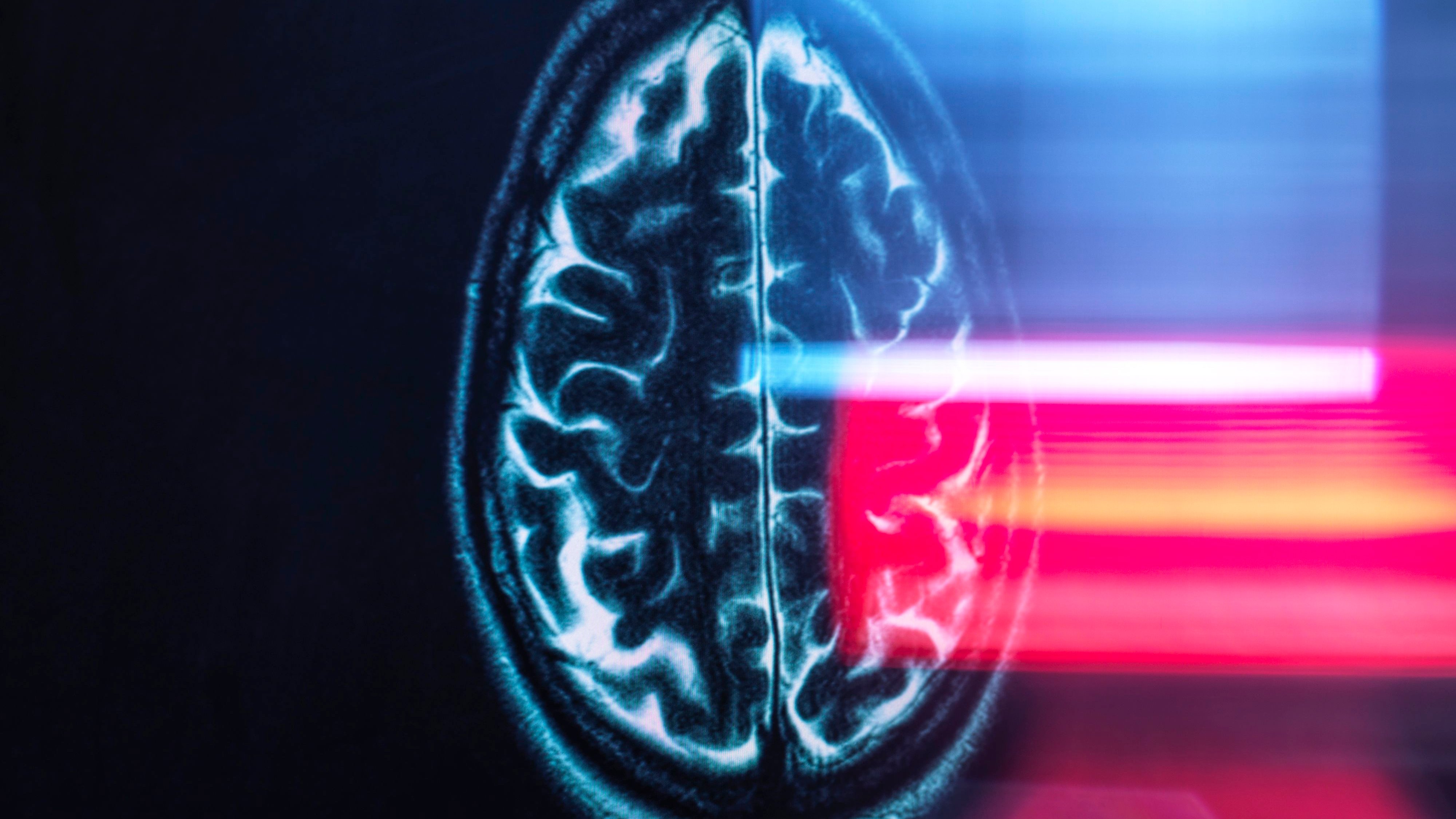
Neurologists Hail Alzheimer’s Biomarker Blood Tests as a Major Turning Point
The clinical landscape of Alzheimer’s disease is shifting from a reactive model of memory loss management to a proactive model of biological detection. This evolution marks a critical departure from diagnosing dementia only after significant neural degradation has already occurred.
Key Clinical Takeaways:
- FDA approval of a noninvasive blood test in May 2025 allows for the detection of Alzheimer’s biomarkers before cognitive symptoms manifest.
- The diagnostic standard is moving from observing behavioral decline to identifying biological markers, potentially predicting risk decades in advance.
- Pharmaceutical commitment remains high, with companies like Roche continuing investment in Alzheimer’s research despite substantial financial losses.
For decades, the medical community has faced a devastating clinical gap: the “silent period” of Alzheimer’s pathogenesis. By the time a patient presents with noticeable memory impairment or cognitive decline, the brain has already sustained irreversible damage. This delay has historically rendered many interventions ineffective, as the therapeutic window closes long before the diagnosis is confirmed. The current standard of care relies heavily on observing cognitive morbidity, a method that is inherently retrospective rather than predictive.
The Pathogenesis Gap and the Failure of Behavioral Diagnosis
The fundamental challenge in managing neurodegenerative diseases is the disconnect between biological onset and clinical manifestation. Traditionally, physicians have used a variety of tools to evaluate thinking problems, but the diagnosis has remained largely dependent on the patient’s functional decline. This means that by the time a physician can definitively identify the disease, the pathological cascade—including the accumulation of amyloid plaques and tau tangles—has already compromised the neural architecture.
According to documentation from the Alzheimer’s Association, an Alzheimer’s diagnosis currently relies largely on observing cognitive decline—a point at which the disease has already damaged the brain.
This diagnostic lag creates a systemic hurdle for both clinicians and patients. Early detection is not merely a matter of convenience; We see a clinical necessity for the success of timely interventions and support systems. Without a way to see the disease before it destroys the memory, the medical community is essentially treating the aftermath rather than the progression. For families navigating these early warning signs, the urgency of professional guidance cannot be overstated. It is critical to engage board-certified neurologists who can differentiate between normal age-related memory loss and the early biological markers of neurodegeneration.
The Shift to Noninvasive Biological Screening
A significant turning point arrived with the development of blood-based biomarkers. The FDA’s approval in May 2025 of a blood test designed to detect early markers of Alzheimer’s disease represents a paradigm shift in geriatric medicine. Developed through a collaborative effort involving research at Johns Hopkins, Lund University, and private sector partners, this test provides an inexpensive and noninvasive alternative to more invasive or costly diagnostic procedures.
The clinical utility of these blood biomarkers lies in their ability to identify the disease’s molecular footprint long before the patient experiences a single lapse in memory. This allows for a transition toward predictive healthcare, where the risk of dementia can be assessed years, or even decades, before the onset of clinical symptoms. By reducing the friction associated with diagnosis, these tests vastly increase the opportunities for early treatment and the implementation of lifestyle interventions that may slow the trajectory of the disease.
Integrating these tests into primary care requires a sophisticated infrastructure. The transition from a simple blood draw to a comprehensive care plan necessitates a partnership between primary care physicians and advanced diagnostic centers capable of processing these high-sensitivity biomarkers. This biological approach transforms the patient experience from one of uncertainty and fear to one of actionable intelligence.
Pharmaceutical Resilience and the Roche Strategy
The financial risk associated with Alzheimer’s research is legendary. The industry has seen billions of dollars in losses as numerous drug candidates failed in late-stage trials. Despite these setbacks, the strategic commitment from pharmaceutical leaders like Roche demonstrates a belief in the underlying science of biomarker-driven therapy. The decision to continue investing in Alzheimer’s research, even after significant losses, underscores the belief that the “turning point” identified by neurologists is real.
The logic is clear: the blood tests are the key that unlocks the efficacy of the drugs. If a pharmaceutical company can identify the exact biological window when a drug is most effective, the probability of trial success increases. By targeting the disease during its preclinical phase—before the brain is severely damaged—the industry is moving toward a more precise, targeted form of neurology.
However, the rollout of these new diagnostics and subsequent therapies creates a complex regulatory and legal environment. As the criteria for “patient” expand to include those who are biologically positive but cognitively healthy, healthcare providers must navigate new ethical and compliance boundaries. Many clinics are now retaining healthcare compliance attorneys to ensure that early screening protocols meet evolving FDA and EMA guidelines regarding patient consent and data privacy.
The Future of Neurodegenerative Triage
The trajectory of Alzheimer’s care is moving toward a future where dementia is managed as a chronic biological condition rather than an inevitable decline. The convergence of FDA-approved blood tests and the continued financial resolve of the pharmaceutical industry suggests that the era of “too late” is ending. The focus is shifting toward the identification of those at highest risk, allowing for the deployment of therapies when the brain is still resilient.
The ultimate goal is a seamless triage system: a routine blood test during a mid-life checkup, a referral to a specialist for biomarker confirmation, and the immediate start of a neuro-protective regimen. This systemic change will require a coordinated effort between research institutions, private labs, and clinical practitioners. For those currently managing the complexities of cognitive health, finding vetted, multidisciplinary teams is the most effective way to navigate this transition. Utilizing a professional directory to locate specialized care ensures that patients receive the most current, evidence-based interventions available in this rapidly evolving field.
Disclaimer: The information provided in this article is for educational and scientific communication purposes only and does not constitute medical advice. Always consult with a qualified healthcare provider regarding any medical condition, diagnosis, or treatment plan.