
China’s Rare Earth Export Controls Threaten to Revive Trade War with U.S.
WASHINGTON – A recent escalation in trade tensions between the United States adn China centers on Beijing’s renewed restrictions on exports of key rare earth elements, potentially reversing progress made toward a fragile truce and returning the tariff war to its prior intensity. The move comes as both nations navigate ongoing negotiations regarding tariffs and the future of Chinese-owned tech companies operating in the U.S.
The dispute initially flared under the Trump administration,with Washington imposing tariffs on Chinese goods and Beijing retaliating in kind. While a partial de-escalation occurred, lowering tariffs to 30% and 10% respectively, China’s decision in April to restrict exports of seven rare earth elements – crucial for manufacturing a wide range of high-tech products – effectively forced a standstill in the conflict. Now, with those restrictions remaining in place, the possibility of further escalation looms.
Rare earths have emerged as a significant point of leverage for China, which dominates the global supply chain. According to the United States Geological Survey, China accounted for 69% of the world’s mining of the 17 elements classified as rare earths in 2024. The nation also controls approximately 40% of global proven reserves and, on average, 80% of the various stages of the global value chain, as reported by China mining Magazine.
The initial tariff battle saw the U.S. impose additional taxes of 145% on Chinese products,prompting a response from Beijing with 125% levies on U.S. goods. China’s commitment to facilitate export licenses for rare earths during negotiations since May had been seen as a key concession. However, the continuation of export controls threatens to unravel that progress.
Currently, the average tariff rate remains significant: 57.6% for Chinese products entering the U.S. and 32.6% for American products entering China, according to the Peterson Institute for international Economics.
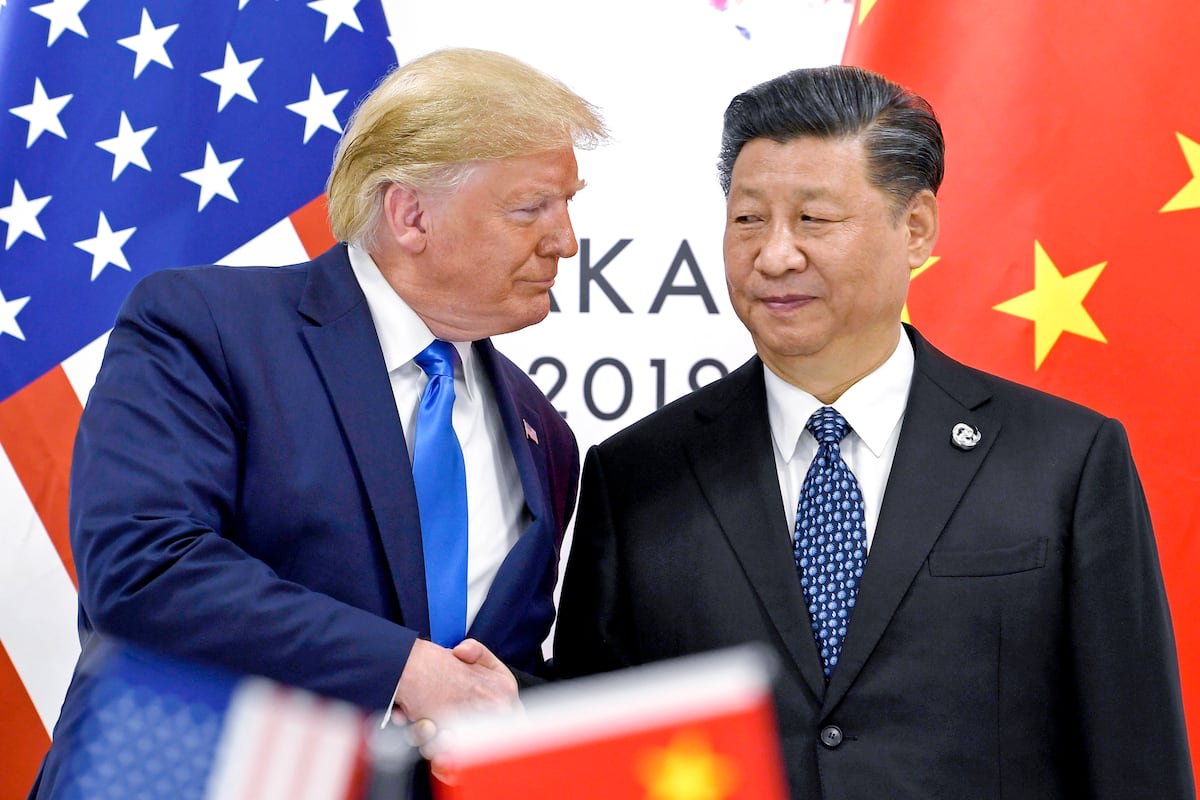
The situation also unfolds as former President Trump has indicated he may meet with Chinese President xi Jinping in South Korea, though the meeting’s status remains uncertain. Trump stated he will be in South Korea irrespective, suggesting a potential opportunity for direct talks despite the escalating trade tensions. Separately,TikTok,previously facing a potential U.S. ban,is now able to continue operating in the United States following an agreement.
