
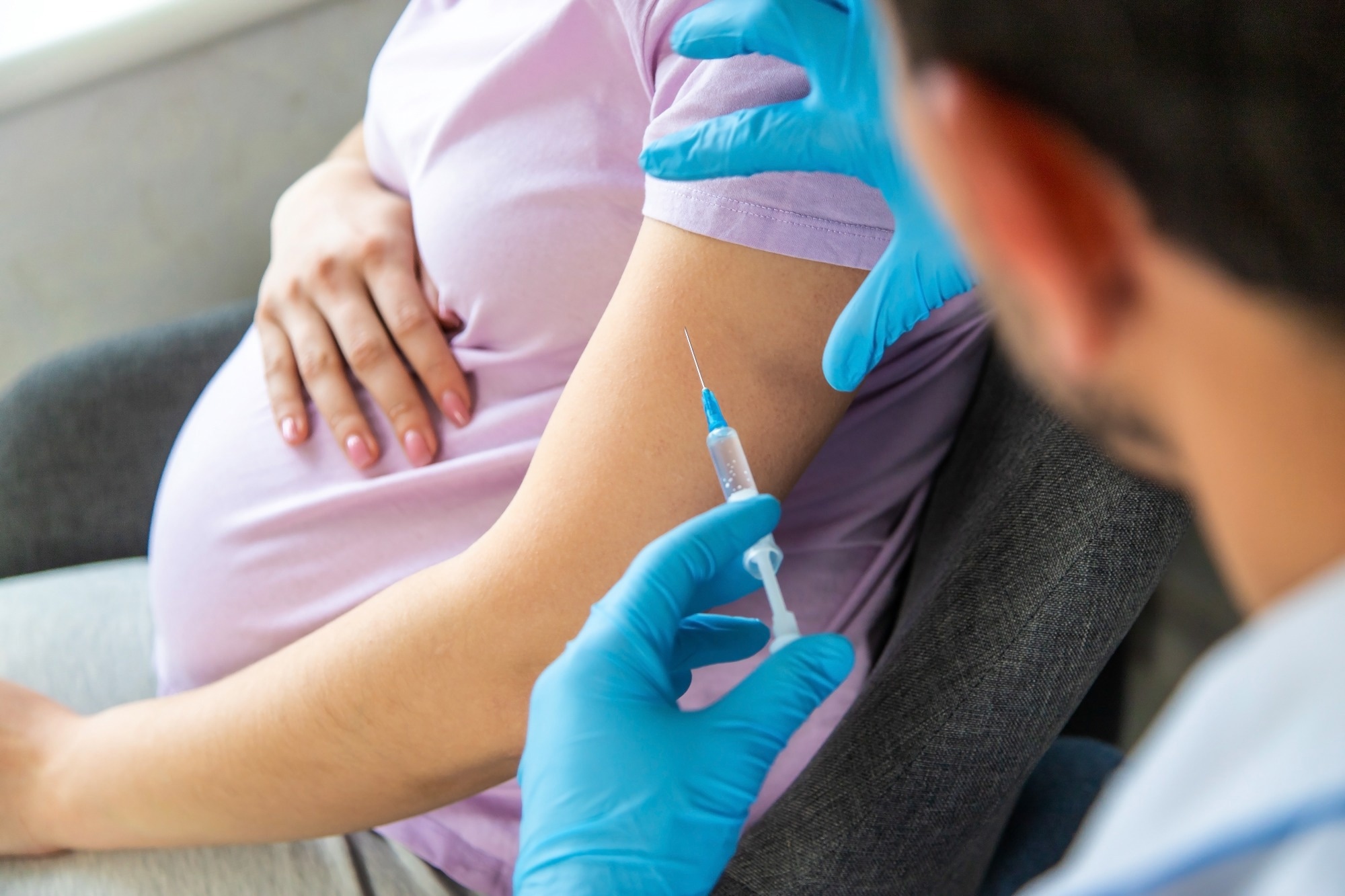
COVID Vaccine in Early Pregnancy Poses No Major Birth Defect Risk
Study Calms Fears About First-Trimester mRNA Shots
Expectant parents can breathe easier: a comprehensive new study from Germany indicates that receiving an mRNA COVID-19 vaccine during the first three months of pregnancy does not elevate the risk of significant congenital disabilities. The findings offer vital reassurance as public health officials continue to encourage vaccination.
Key Development
Researchers led by experts at the Embryotox Centre of Clinical Teratology and Drug Safety in Pregnancy, in collaboration with the **Paul-Ehrlich-Institut**, analyzed data from nearly 4,000 pregnant women. The study compared 1,828 vaccinated individuals to 1,955 unvaccinated women, tracking pregnancy outcomes and neonatal health.
The research, published in Clinical Microbiology and Infection, revealed that major congenital malformations occurred in 3.86% of pregnancies following first-trimester vaccination, compared to 3.09% in the unvaccinated group. This difference was not statistically significant.
According to the CDC, as of February 2024, over 130 million doses of COVID-19 vaccines have been administered to people in the United States alone, demonstrating widespread use and ongoing monitoring for safety.
Background
Early in the pandemic, uncertainty surrounded the safety of COVID-19 vaccines for pregnant women, leading to initial hesitancy. The first trimester is a particularly sensitive period for fetal development, raising concerns about potential harm from new medical interventions. **Dr. Anne Weber**, a lead researcher on the project, emphasized the importance of addressing these concerns with robust data.
The study meticulously collected information through questionnaires, focusing on maternal demographics, medication use, and detailed pregnancy outcomes. Congenital malformations were classified according to established European standards by two independent experts.
While the study found slightly higher rates of congenital heart and urinary tract anomalies in the vaccinated group, researchers noted no consistent patterns suggesting a direct causal link to the vaccines. In some cases, vaccination occurred late in the first trimester, after critical developmental stages for these systems were complete.
Potential biases, such as increased screening among vaccinated women, were carefully considered. Researchers acknowledged that vaccinated individuals may have been more likely to undergo detailed prenatal testing, potentially leading to higher detection rates of anomalies – a phenomenon known as detection bias.
Final outlook
The findings provide valuable evidence supporting the safety of mRNA COVID-19 vaccination during early pregnancy. However, the study authors caution that ongoing monitoring is crucial, and further research is needed to explore potential associations with specific congenital disabilities. They suggest that vaccination is ideally offered before conception or after the first trimester when possible.
