
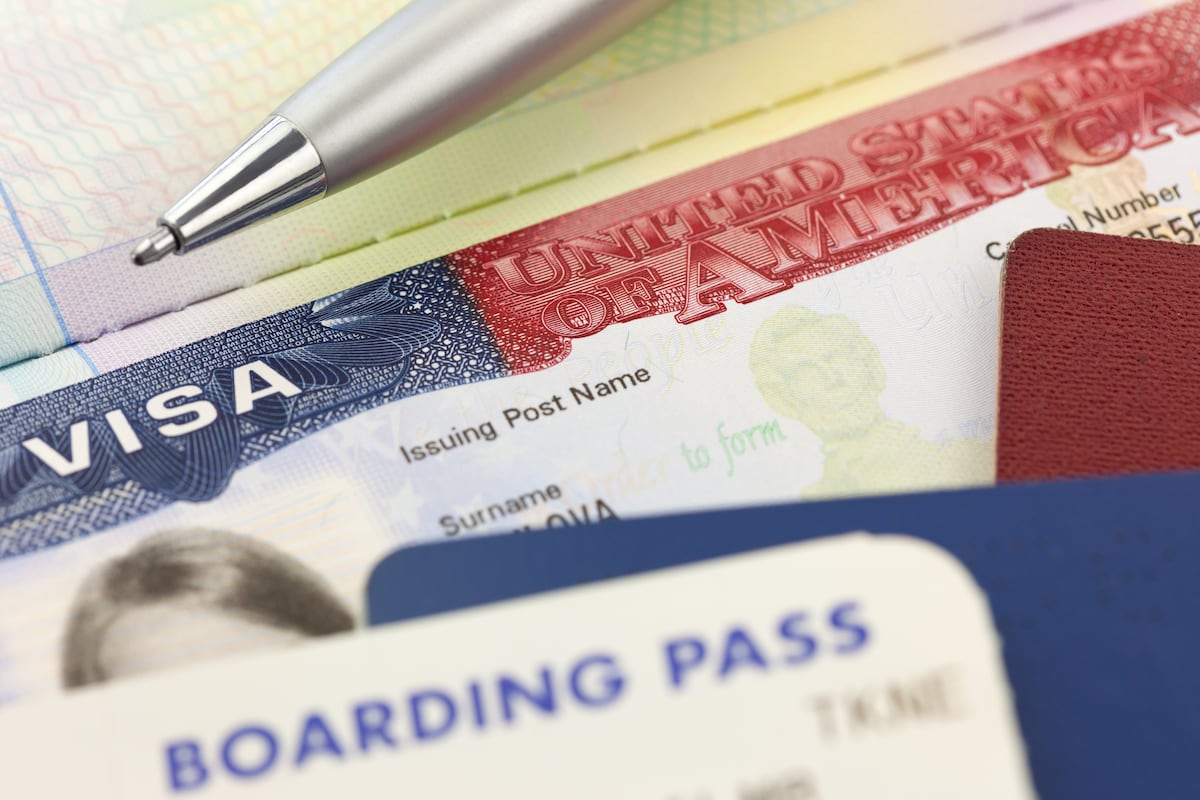
WASHINGTON D.C. – The U.S. State Department is reinstating a controversial visa bond pilot program, initially proposed during the Trump administration, requiring certain visa applicants to pay a bond of up to $5,000 that will be refunded upon departure or fulfillment of visa status. The policy, slated to begin in the coming weeks, aims to deter visa overstays and reduce illegal immigration.
The program, first conceived in November 2020, faced significant delays due to the COVID-19 pandemic’s impact on international travel. The original iteration targeted approximately two dozen countries, primarily in Africa, where visa overstay rates exceeded 10%. The State Department had historically resisted similar measures due to the administrative burden of managing bond deposits and refunds. Under the revived program, applicants will receive a full refund if they depart the U.S. within the authorized timeframe, naturalize, or in the event of death. However, those who overstay their visa could forfeit the bond to cover associated deportation costs, which can include legal fees, transportation, and detention expenses.
Citizens participating in the Visa Waiver Program (VWP) – currently 40 countries including most of Western Europe, Australia, and Japan – are exempt from this requirement. Consular officers retain the discretion to deny the bond refund on a case-by-case basis. This new measure adds to the financial burden for prospective visitors, building on the recently announced increase to the “integrity fee” of $250, set to take effect in 2026. This fee will apply to most non-immigrant visa applicants, including tourists (B-2), students (F-1), and workers (H-1B), potentially raising the total cost of a visa by nearly $500.
What countries could be affected?
While the state Department has not released a definitive list of countries subject to the bond requirement, data from the Office of Customs and Border Protection (CBP) for 2023 indicates that Angola, liberia, Mauritania, Sierra Leone, Nigeria, Cabo Verde, Burkina Faso, and Afghanistan had notably high rates of visa overstays. According to CBP data, Afghanistan had an overstay rate of 22.3% in fiscal year 2023, while Nigeria’s rate was 18.2%.
The list of affected countries will be published 15 days before the program’s launch and is subject to change.The 2020 pilot program targeted travelers from Afghanistan, angola, Burkina Faso, Burma (Myanmar), Chad, Congo, Eritrea, iran, Laos, Liberia, Libya, Sudan, Syria, and Yemen. The State Department has indicated that the program will be continuously evaluated and adjusted based on overstay data and national security considerations. The program is being overseen by the Bureau of Consular Affairs, led by Assistant Secretary of State for Consular Affairs, Michele Sison.
