
Culture Column “Shkoyach!”: Bestsellers Are a Waste of Time
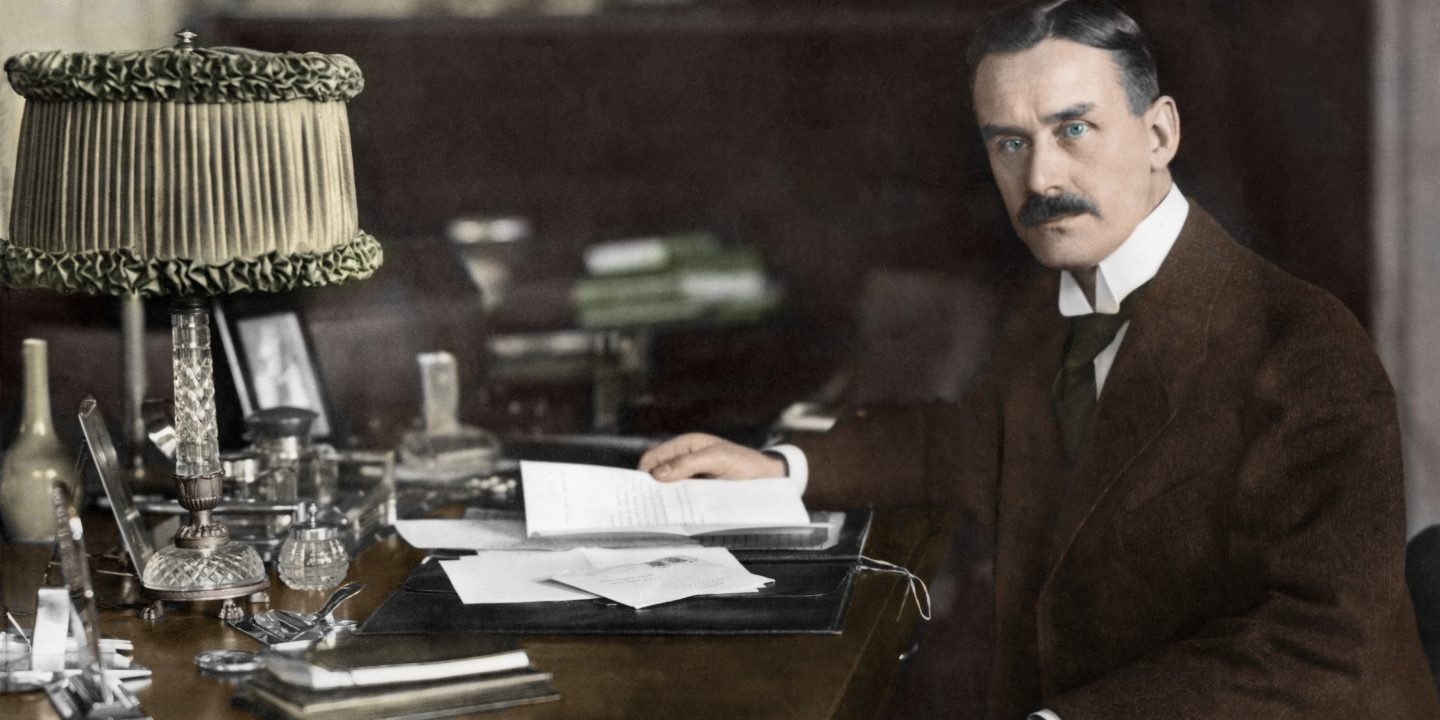
Sanary-sur-Mer, France – A recent biography of Thomas Mann, When the Sun Goes Down. Family Man in sanary by Florian Illies, has sparked debate about the author’s approach to a well-trodden subject. While the book aims to illuminate the dilemma faced by Mann – balancing artistic integrity with the desire for publication during the rise of Nazism – a reviewer finds Illies’ style overly chatty and lacking in fresh insight.
The reviewer notes the past anxieties surrounding Mann’s 1933 summer exile in Sanary-sur-Mer, specifically his panic over diaries left in Munich (later burned in California) and his initial reluctance to publicly denounce the Nazi regime due to his desire to see the first volume of Joseph and his Brothers published in Germany that same year. These details, the reviewer concedes, might potentially be familiar to literary scholars.
Tho, Illies successfully conveys the broader tension between moral principle and professional ambition that ultimately lead Mann to commit to emigration in 1936.The reviewer contrasts Illies’ approach with Marianne Krüll‘s 1991 psychoanalytic biography, in the Magician’s Web. Another Story of the Mann Family, which focused on Klaus Mann’s suicide. While acknowledging Krüll’s work wasn’t entirely convincing, the reviewer finds Illies’ narrative to discursive, citing lengthy exchanges about the weather in Sanary as an example of unnecessary detail.
Further criticism centers on Illies’ lack of new perspectives on Katia Mann’s Jewish roots, a topic previously explored by Viola Roggenkamp in her 2005 Erika Mann biography.The reviewer also points out a minor inaccuracy regarding Katia Mann’s grandmother, Hedwig dohm.
Ultimately, the reviewer suggests readers bypass the biography and return directly to Mann’s own works. Quoting passages from Tonio Kröger and Difficult Hour, the piece champions the enduring power of Mann’s prose and argues that engaging with the source material is a more rewarding experience than consuming a contemporary bestseller. The column concludes with a pointed recommendation: “Read Thomas Mann!”
