
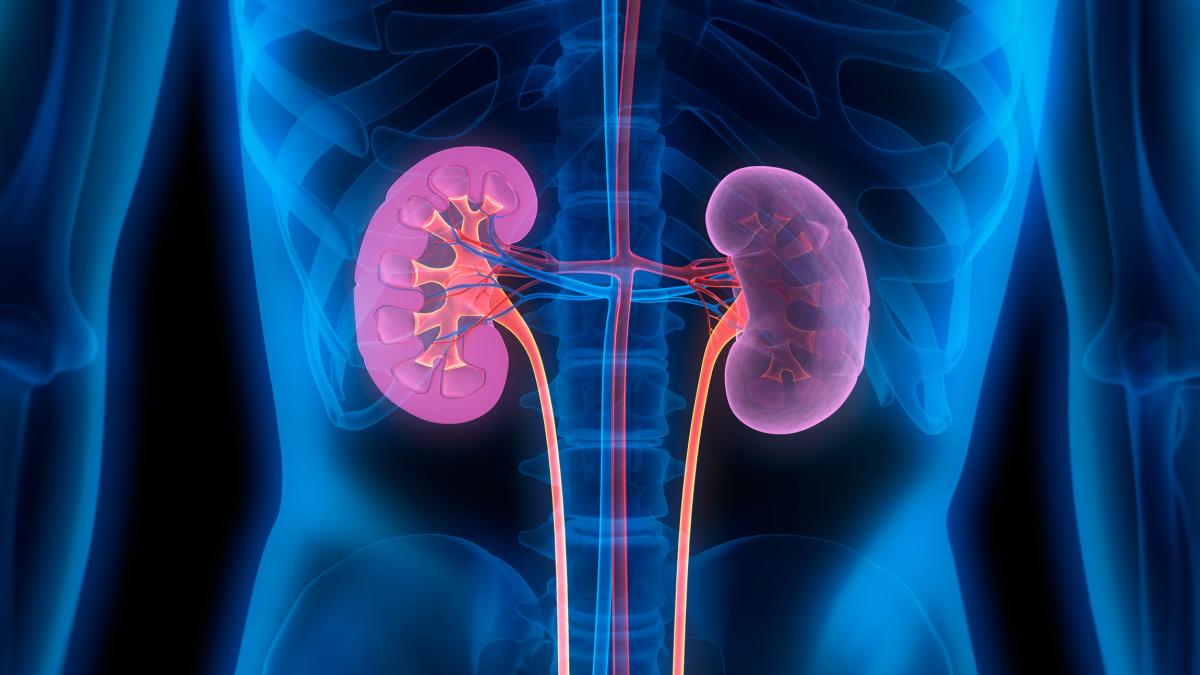
Silent Guardians: Protecting Kidney Health is Crucial as Chronic Disease Rates Rise
Rome, Italy – November 6, 2025 – While often overlooked, the kidneys are vital organs working tirelessly to filter waste and maintain fluid balance. As rates of chronic kidney disease (CKD) continue to climb globally – impacting an estimated 850 million people worldwide, according to the National Kidney Foundation - experts emphasize the importance of preventative measures to safeguard these silent workers. Ignoring kidney health can lead to serious complications, including kidney failure requiring dialysis or transplant, and increased risk of cardiovascular disease. Understanding and adopting simple lifestyle changes now can substantially reduce your risk and preserve kidney function for years to come.
Kidneys don’t signal distress until significant damage has occurred, making proactive care essential. CKD frequently enough progresses silently, with symptoms appearing only in advanced stages. This poses a particular threat to vulnerable populations, including individuals with diabetes, high blood pressure, heart disease, and a family history of kidney problems. Early detection and management, coupled with preventative strategies, are key to slowing progression and improving quality of life. The focus is shifting towards empowering individuals to take control of their kidney health through informed choices and consistent monitoring.
Simple Rules for Kidney Protection:
* Hydration is Key: Adequate water intake helps the kidneys flush out toxins. Aim for 1.5 to 2 liters of water daily, adjusting based on activity level and climate.
* Manage Blood Pressure & Sugar: High blood pressure and diabetes are leading causes of kidney disease. Regular monitoring and effective management of these conditions are crucial.
* Healthy Diet: Limit processed foods, sodium, and excessive protein intake. Focus on a diet rich in fruits, vegetables, and whole grains.
* Moderate Salt Intake: Excessive sodium increases blood pressure and strains the kidneys.
* Avoid Overuse of Painkillers: Frequent use of nonsteroidal anti-inflammatory drugs (NSAIDs) can damage the kidneys.
* Regular Exercise: Physical activity helps control blood pressure and weight, contributing to overall kidney health.
* Regular Check-ups: Individuals at risk should undergo annual kidney function tests, including blood and urine analysis.
These preventative measures, while seemingly simple, represent a powerful defense against a growing health challenge. Prioritizing kidney health is an investment in long-term well-being, ensuring these vital organs continue their silent, essential work for years to come.
