Soviet-era Spacecraft Kosmos 482 Predicted for Earth Re-entry
BUCHAREST — may 7, 2024 — The Soviet-era spacecraft kosmos 482 is nearing its predicted re-entry into Earth’s atmosphere, raising concerns about potential impact zones. Launched in 1972, the unmanned spacecraft, originally intended for Venus, failed to reach its target. The main issue surrounds the survival of its landing module. Experts anticipate the re-entry, but the exact location remains uncertain; read on to learn more.
Soviet-Era Spacecraft Kosmos 482 Predicted to Fall to Earth
An uncontrolled spacecraft from the Soviet era, Kosmos 482, is expected to re-enter Earth’s atmosphere in the coming days. The landing module, weighing approximately half a ton, was originally launched in 1972 with the intention of reaching Venus.
Mission and Malfunction
Kosmos 482 was part of the Venera program, designed to explore Venus. Launched from Baikonur Cosmodrome in Kazakhstan on March 31, 1972, it served as a backup to Venera 8. The two spacecraft were identical in equipment and characteristics, a strategy employed by the Soviet Union to increase the likelihood of a successful interplanetary mission.
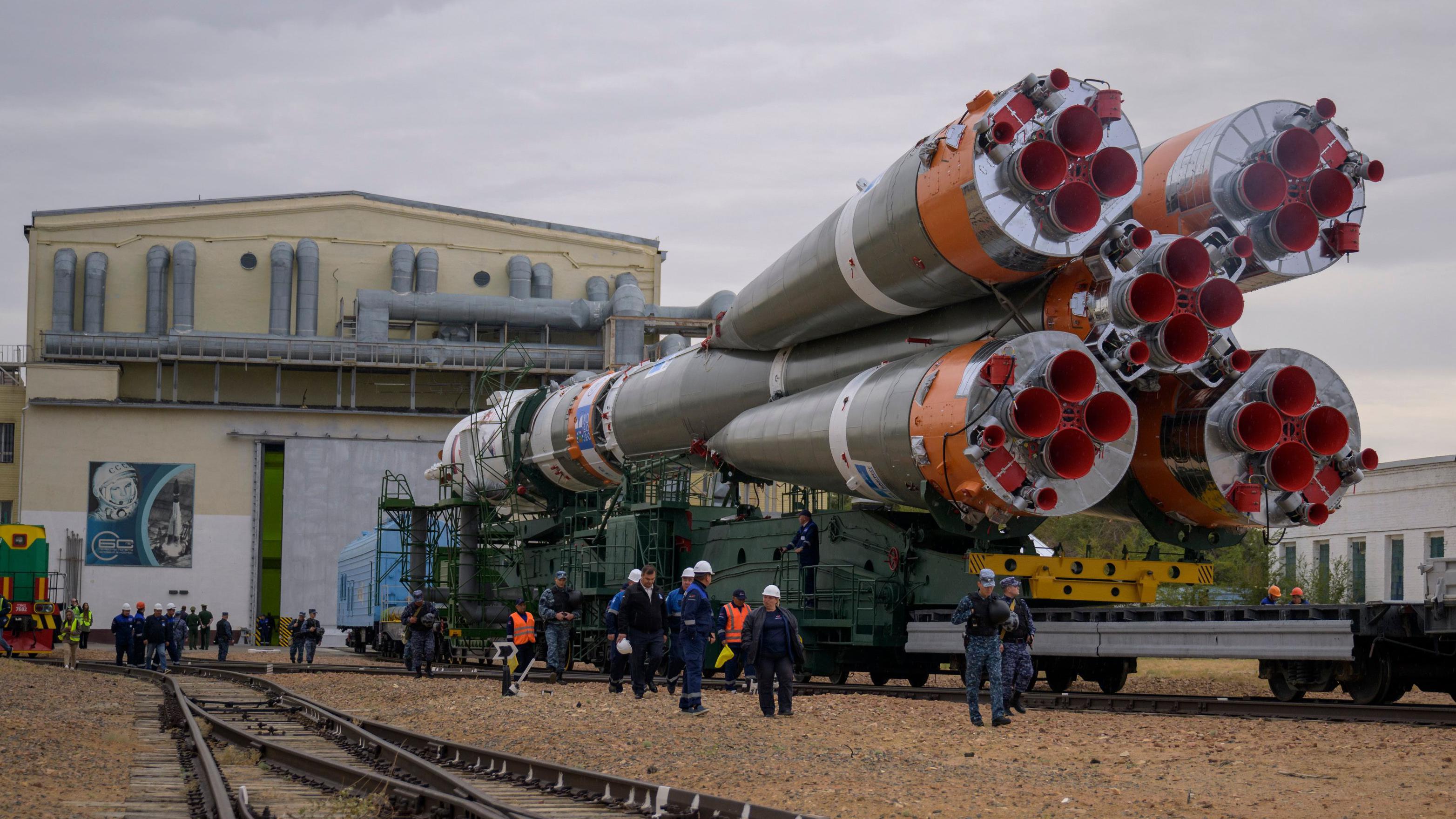
The launch utilized a Molniyah-M rocket, similar to those used in manned Soyuz missions, but with an additional stage to propel heavier payloads into higher orbits. While Venera 8 successfully reached Venus, Kosmos 482 encountered technical difficulties, preventing it from leaving Earth’s orbit.
The Accident Unfolds
The initial stages of the launch proceeded as planned, placing the spacecraft into a near-Earth orbit. Though, the final stage failed to properly orient the vehicle, preventing it from reaching its intended trajectory. Consequently,the mission was designated “Kosmos 482,” a common practice by the Soviet government in the 1970s to mask unsuccessful launches.
Did you know? The Soviet Union often used the “Kosmos” designation followed by a number to identify missions that did not go as planned, effectively concealing failures from the public.
According to NASA, the spacecraft broke into four parts. Two components burned up in the atmosphere within 48 hours, while the remaining two, including the landing module and the propulsion block, entered higher orbits.
Georgy Trishkin, author of the telegram channel Vestnikskiy, noted that The parts of the Titanium fuel tank left an orbit in a few days and fell in New Zealand.
He added, The parts of the station and the fourth level of the rocket, also known as the L block, remain in an elongated elliptical orbit.The highest point is in a place about 9,800 km away from the earth and its lowest point is at an altitude of about 210 km.
Potential Impact Zone
Scientists predict the re-entry will occur in the second week of May. While the exact time and location remain uncertain, some experts suggest that the Middle East, Central Asia, and Southeast Europe are potential impact zones.
One expert told BBC News that there is a possibility that the rides would hit the settlement area.
A Robust Design
The primary concern is that the landing module may not completely burn up during re-entry due to its robust design. Unlike spacecraft designed to disintegrate in the atmosphere, the Kosmos 482 landing module was built to withstand the harsh conditions of venus, including a dense atmosphere and high temperatures.
Pro Tip: Spacecraft intended for atmospheric entry are often designed with specific materials and shapes to ensure they burn up safely. Though, spacecraft designed for landing on other planets are built to withstand extreme conditions, increasing the risk of debris reaching the ground.
As Trishkin explained, The landing module itself is designed to re -enter the Venus atmosphere which is heavier, so the heat shield and the airpoint compartment are likely to survive from re -entering the atmosphere [Bumi]. However, it is unlikely that the device will be fully safe.
He further noted, Observation indirectly indicates that he may have released his parachute for a long time. This means that the integrity of the structure is damaged and a lot depends on the entry profile back into the atmosphere.
NASA estimates the landing module weighs 495 kg.
Potential Consequences
trishkin’s calculations indicate that the debris is most likely to fall on land. He identified Egypt, Syria, Türkiye, and Azerbaijan as being within the Kosmos 482’s orbital path, raising concerns about potential impact on populated areas.
He estimates that If we assume the device is completely safe and crashes into the ground at an estimated speed of 242 km/hour, the implication energy will be in the range of 1.1-1.2 MJ, which can be equivalent to a number of several hundred grams of TNT (dynamite).