
US Indo-Pacific Strategy: Strengthening Alliances to Deter China
The United States Indo-Pacific allied deterrence strategy, designed to counter Beijing’s growing regional influence, risks provoking deeper geopolitical division and intensifying rivalry across Southeast Asia, according to regional security analysts and recent diplomatic reporting.
Strategic Rebalancing and the First Island Chain
The modern U.S. defense approach centers on a concept known as “deterrence by denial,” which emphasizes fortifying the First Island Chain running from Japan through Taiwan and the Philippines down to Indonesia. According to the 2026 U.S. National Defense Strategy outlined in strategic assessments, the primary goal is to impose high military costs on potential aggression while keeping direct confrontation contained.
Navigating these shifting geopolitical currents requires specialized counsel.
Economic Coercion and the Cost of Strategic Alignment
The broader Indo-Pacific framework, initially unveiled by the Biden administration and continuously adapted through subsequent defense reviews, explicitly cites economic coercion—such as trade pressures previously directed at Australia—as a primary justification for bolstering Western presence. The framework commits participating nations to addressing climate change, securing critical supply chains, and strengthening regional alliances like the Quad, which includes the US, Australia, India, and Japan.
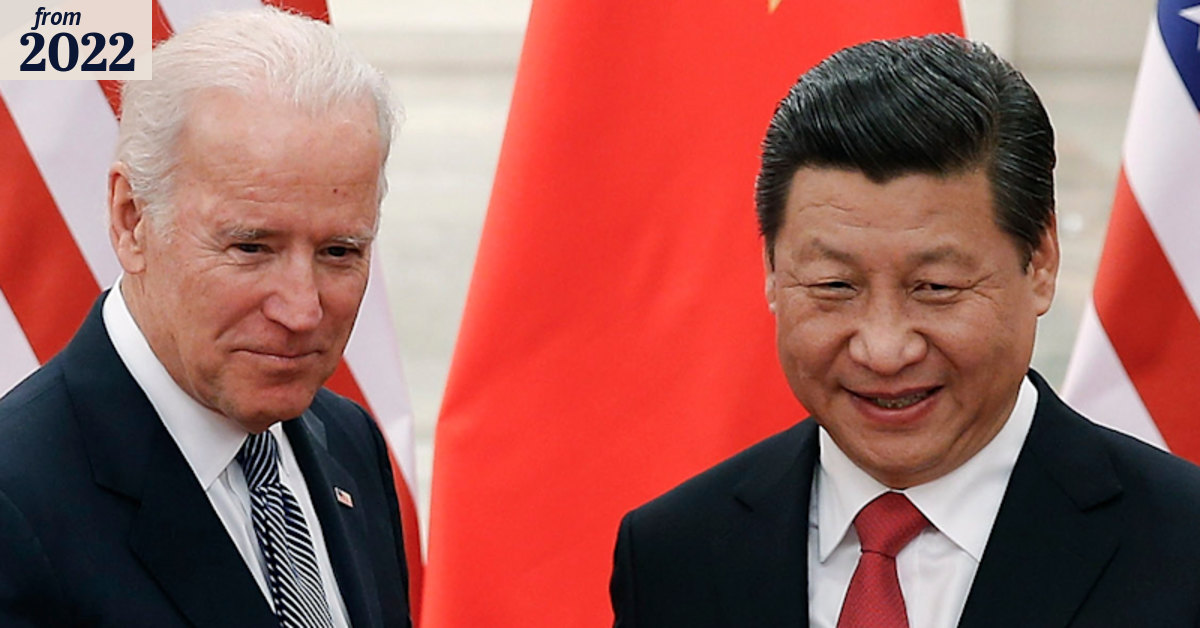
However, analysts note that demands for higher defense spending standards and rigid alignment can alienate non-aligned states in the Association of Southeast Asian Nations (ASEAN). Maintaining economic sovereignty while managing defense commitments is a delicate balancing act for emerging economies in the region.
For enterprises operating across these volatile jurisdictions, mitigating regulatory exposure is vital.
Looking Ahead: Managing Regional Stability
The ultimate success of the Indo-Pacific deterrence architecture depends on whether allied reassurance outweighs the fear of escalation. As Washington balances military readiness with diplomatic messaging, regional capitals will continue testing the limits of strategic autonomy.
The challenge for regional stakeholders is clear: preparing for potential security contingencies without accelerating the divisions that threaten long-term prosperity.