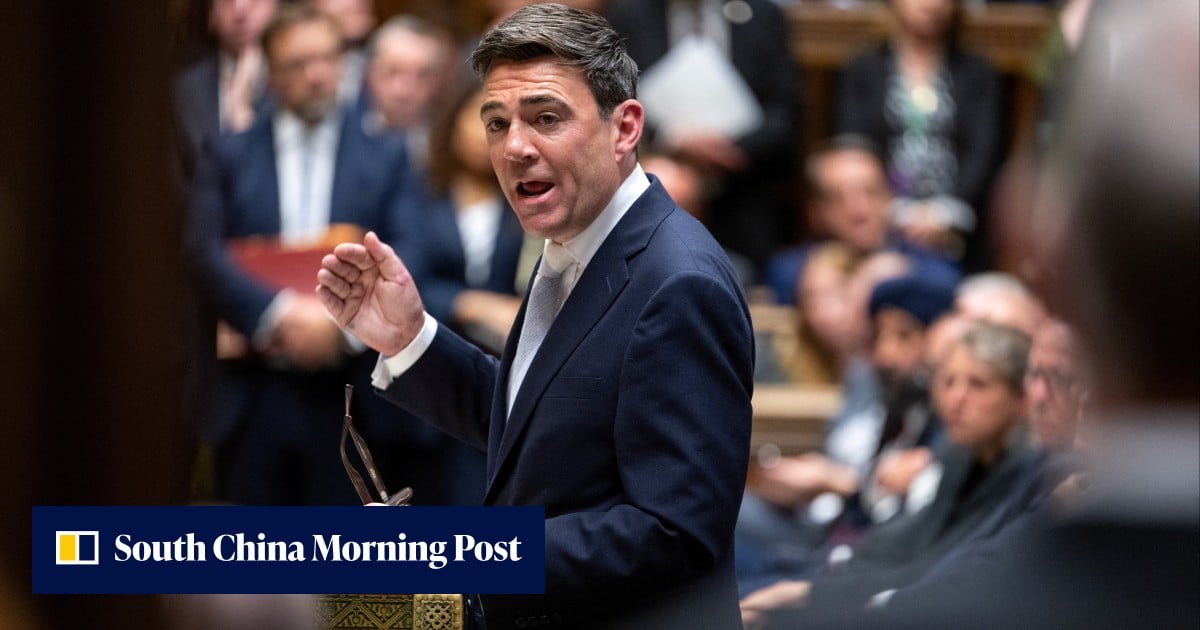
UK PM Andy Burnham Makes House of Commons Debut With Pledge to Restore Hope
Prime Minister Andy Burnham faced lawmakers in the House of Commons on Tuesday for the first time since taking office six weeks ago, promising to unlock a feeling of positivity across every postcode in Britain while navigating severe domestic and international challenges, according to reports by the Associated Press.
Confronting the Legacy of Economic and Political Shifts
On Tuesday, parliament returned from its summer break, setting the stage for Burnham’s high-stakes debut. The new U.K. leader stepped into the chamber with a mandate built on promises to kick-start the economy, ease the cost of living, and oversee a radical redistribution of power away from London and toward Britain’s regions. According to the Associated Press, Burnham told lawmakers that the nation can make the next decade better than the last and bring back hope.
This message of optimism marks a sharp rhetorical departure from the downbeat pronouncements of his predecessor, Keir Starmer. Starmer stepped down after a series of missteps and local election defeats, formally quitting his parliamentary seat after 11 years to focus on international affairs, defense, security, trade, and technology. A special election to replace Starmer will occur within weeks.
During his address, Burnham diagnosed the nation’s structural ills, arguing that Britain took a series of wrong turns since the 1980s. He pointed to centralized political power, privatized economic power, and deindustrialization as core drivers of stagnation, compounded by the 2016 vote to leave the European Union. To combat these issues, his government has already introduced modest relief measures, including a tax cut on domestic energy bills and lower levies on pubs and nightclubs.
Political Pushback and the Debate Over Regional Power
The Prime Minister’s vision met immediate resistance from the opposition bench. Conservative leader Kemi Badenoch pushed back hard against Burnham’s economic analysis, telling the Commons that his approach belongs in the past. According to the Associated Press, Badenoch stated that Burnham believes increased government spending will make everyone richer, characterizing his strategy as an attempt to take the country back to the 1970s.

Debate also centered on the establishment of No. 10 North, a second prime minister’s office located in Manchester. Burnham maintains that the office will drive his pledge to give local leaders more authority and spread economic growth. Critics, however, have labeled the initiative an expensive gimmick.
Foreign Policy Pressures and Defense Commitments
Domestic ambitions compete directly with pressing foreign conflicts in Europe and the Middle East. Burnham’s administration faces immediate pressure to outline how it will fund an increase in military spending amid ongoing threats from Russia and fluctuating U.S. support for European security.
In his first foreign trip as leader last month, Burnham visited Kyiv to reinforce British support for Ukraine and share technology for manufacturing long-range missiles. That visit drew sharp condemnation from Moscow, which accused London of direct participation in the war. Burnham maintained that U.K. support for Ukraine will not change regardless of external threats.