
Plastic Surgeon‘s Claim That Running Ages You sparks Debate
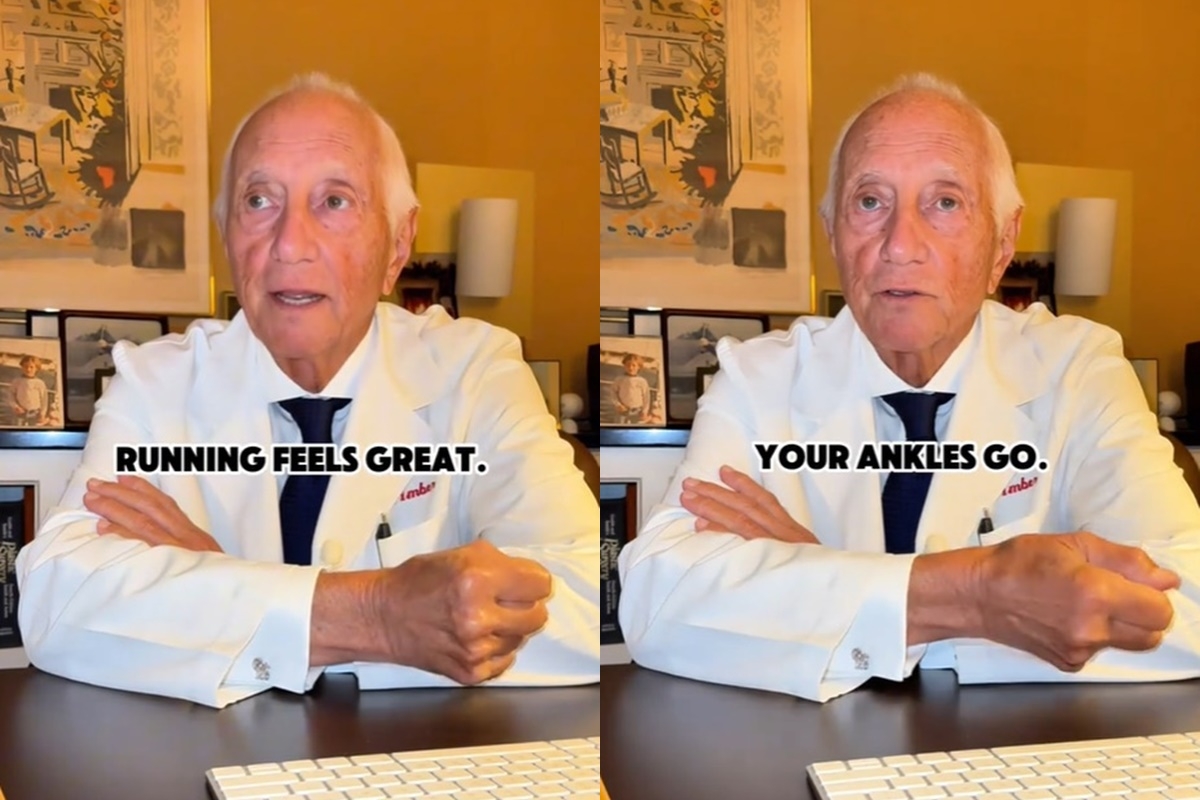
NEW YORK, NY – September 26, 2025 – A New York plastic surgeon’s assertion that running accelerates aging has ignited a controversy online, pitting his claims against the experiences of long-time runners and the opinions of other medical experts. Dr. Gerald Ibbner, an anti-aging specialist, stated in a recent TikTok video that while running is ”good exercise,” it damages joints and contributes to sagging skin and a prematurely aged appearance.
According to Dr.Ibbner, the constant impact of running can even lead to a reduction in height. He explained that repetitive shock exercises like running apply pressure on the spine, accelerating the aging process, and described the effects as ”quite expensive” to reverse. He qualified his statement, suggesting that running “a little bit every day or about two or three miles a week” is acceptable, but exceeding that could “promote aging.” He further advised opting for cycling rather, stating, “Have you ever seen a long-distance runner who doesn’t look old?”
The video quickly drew mixed reactions. One TikTok user, a 72-year-old marathon runner of 43 years, countered, “I’m not unhealthy and full of vitality. There’s no orthopedic problem.” Another 42-year-old user claimed to be perceived as being in thier mid-20s and intends to continue running. Others expressed agreement with Dr. Ibbner, noting runners often appear older than their age and advocating for swimming as a superior exercise.
Though, Dr. Ibbner’s claims have been challenged by other medical professionals. Dr. Boris Pascober, a facial plastic surgery and reconstructor at Rutgers New Jersey Medical School, acknowledged that high-intensity aerobic exercise can reduce body fat, but stated, “There is no objective clinical basis that supports the argument that shaking the body while running increases skin aging.” He characterized Dr. ibbner’s video as “commentary above all,” emphasizing a lack of scientific verification.
Dr. Freeman of the Denver National Health Research Institute further supported the benefits of running, citing its positive impact on blood pressure, cholesterol, and mental health. “If you don’t exercise at all, the result is terrible,” he said, adding that societies with more active populations have lower rates of heart disease. He stressed that appropriate exercise levels vary individually, noting, “Some people can run hundreds of miles without any side effects, but some people are not.”
bbo@heraldcorp.com
