
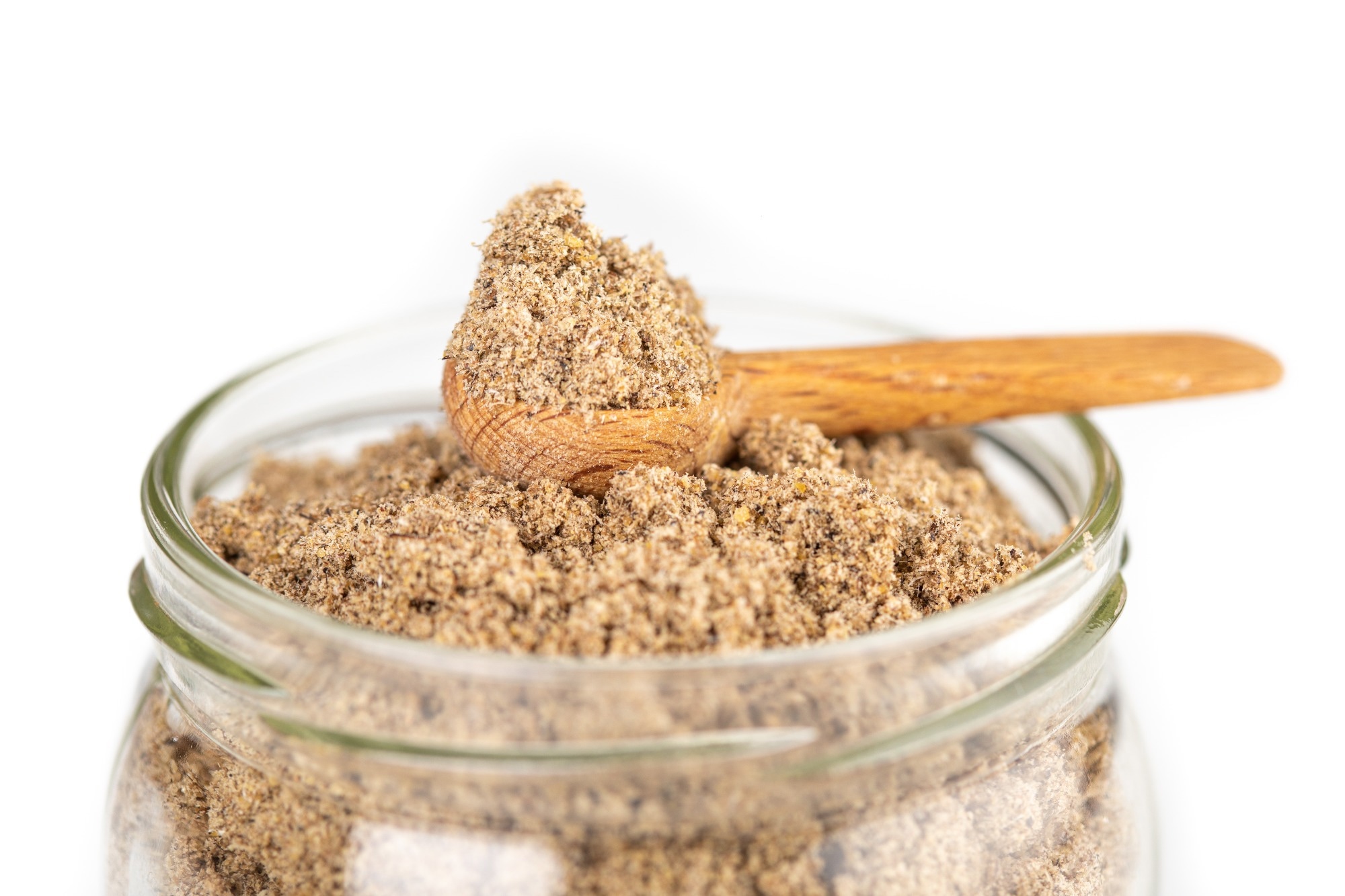
Cricket Flour Power: Pasta’s Sustainable Protein Boost
Could the future of pasta be crawling with possibilities? A new study suggests that adding cricket flour to pasta could significantly enhance its nutritional value, offering an eco-friendly protein source without sacrificing taste or safety.
The Buzz About Insect-Based Foods
Insects boast impressive nutritional profiles, packed with high-quality proteins, essential minerals like zinc and iron, beneficial fatty acids, and fiber. Farming them requires less water and land than traditional livestock, reduces greenhouse gas emissions, and carries a lower risk of zoonotic diseases.
While insect consumption is common in Asia, Africa, and Latin America, Western cultures exhibit resistance due to unfamiliarity. Research aims to bridge this gap by integrating insect-based ingredients into familiar foods. A previous study indicated that cricket flour improves the flavor of baked goods, boosting consumer acceptance.
Cricket Flour Pasta: The Study Deets
Scientists, including Dr. [Name Redacted] at the University of Gastronomic Sciences, analyzed cricket flour’s nutrient composition and a commercial wheat-cricket flour mix (10% cricket flour). They compared these with wheat flour and standard wheat pasta, assessing protein, fatty acid, and mineral content, including iron, copper, zinc, and calcium.
The research also looked at chitin content (a potential prebiotic fiber), total petroleum hydrocarbons (TPH), and polycyclic aromatic hydrocarbons (PAHs) to ensure safety. Fettuccine-shaped pasta was prepared by an expert chef for the study.
Key Nutritional Findings
Cricket flour had an iron content of 10.8 mg/100 g, almost ten times higher than wheat flour. Zinc and copper levels also showed similar increases. Though rich in minerals, the authors cautioned that cricket flour is best as a dietary complement, since meeting the entire daily intake of calcium, magnesium, or potassium would require eating an unrealistic amount.
Analysis revealed that cricket flour contains 11% total fat. Cricket flour is rich in oleic acid, a monounsaturated fatty acid also found in traditional wheat pasta, and linoleic acid, a polyunsaturated fatty acid which has been linked to a lower risk of coronary heart disease. It also provides 100% of the recommended daily intake for essential amino acids in a 100g serving.
Safety Confirmed
While cricket flour showed higher concentrations of total petroleum hydrocarbon (TPH) than wheat flour and pasta, the Carbon Preference Index (CPI) indicated a biogenic origin. Polycyclic aromatic hydrocarbon (PAH) levels in cricket flour were low and below safety thresholds, confirming its safety for consumption.
A Sustainable Future for Food?
Compared to wheat flour, cricket flour offers higher concentrations of protein and essential minerals. Adding even a small amount of cricket flour to pasta significantly improves its nutritional profile, according to the study. As of November 2023, the European Union has authorized several insects for human consumption, including crickets (European Commission).
The authors emphasize that incorporating cricket flour into traditional foods like pasta, along with communicating clear nutritional benefits, is key to broader acceptance. This modest integration offers a way to enhance nutrient intake without cultural resistance.
