
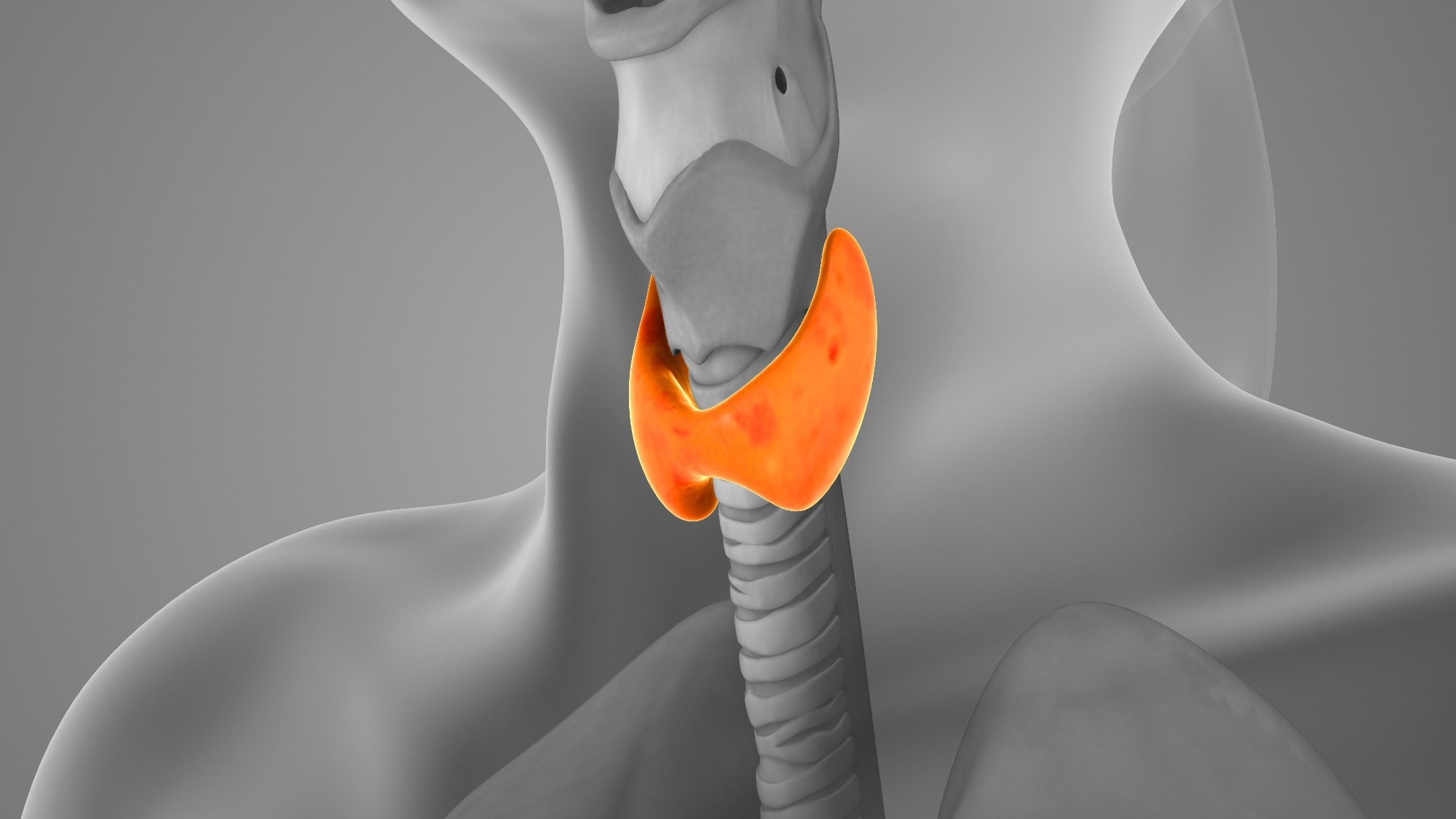
Mediterranean Diet and Thyroid Disease: Major Review Findings
The landscape of thyroid health is frequently clouded by anecdotal evidence and “trendy” dietary restrictions that promise rapid recovery but lack clinical validation. For patients navigating the complexities of autoimmune thyroid diseases, the noise of restrictive eating often obscures the evidence-based reality: nutrient density, not deprivation, is the primary driver of endocrine stability.
Key Clinical Takeaways:
- Mediterranean-style eating patterns are clinically linked to more favorable thyroid outcomes compared to restrictive diets.
- Essential micronutrients, specifically zinc, iron, selenium, and vitamin B12, are critical for normal thyroid function and the prevention of autoimmune complications.
- The modern processed diet contributes to chronic inflammation and metabolic imbalance, exacerbating the global burden of thyroid disease.
The prevailing challenge in managing thyroid dysfunction lies in the gap between patient behavior and evidence-based guidance. Many patients adopt highly restrictive diets in hopes of mitigating symptoms, yet these interventions often offer little benefit unless there is a specific, clear medical indication. This clinical gap is exacerbated by a modern dietary profile characterized by processed foods and a systemic deficiency in essential micronutrients, which correlates with an increase in chronic inflammation and metabolic imbalance.
The Clinical Evidence for Mediterranean-Style Patterns
A comprehensive structured literature review published in the Journal of Endocrinological Investigation has sought to dismantle common thyroid diet myths. By analyzing data from MEDLINE (via PubMed), Web of Science, and Scopus for studies published between January 2005 and June 2025, researchers evaluated the relationship between nutrition and thyroid health, specifically focusing on thyroid autoimmunity and the impact of various dietary patterns.
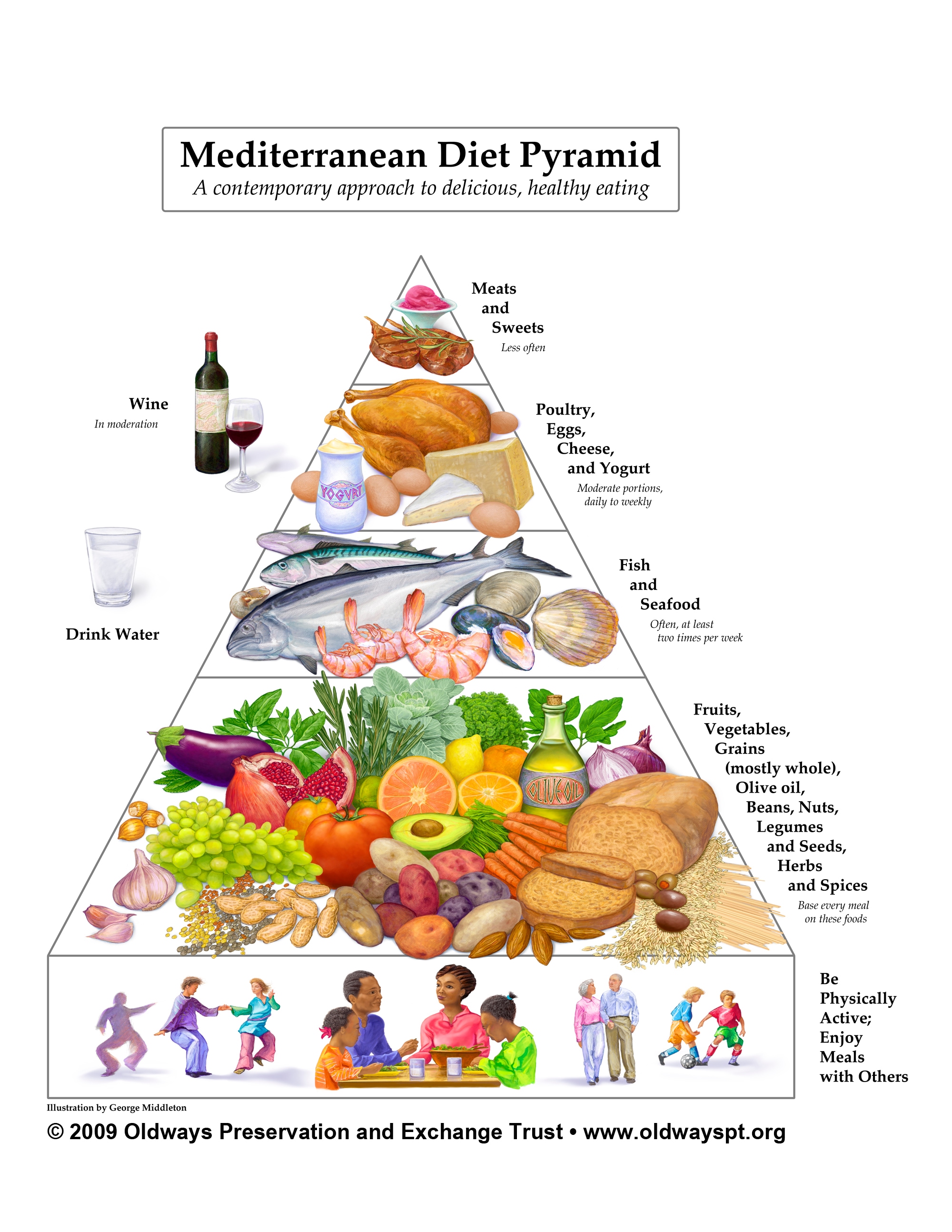
The review concludes that promoting sustainable, nutrient-rich eating patterns, such as the Mediterranean diet, can improve individual health outcomes and may help support thyroid health while reducing the growing global burden of thyroid diseases.
Unlike restrictive protocols that eliminate entire food groups without a biological mandate, the Mediterranean approach emphasizes a diverse intake of micronutrients. This shift from restriction to nutrient-rich patterns is essential for maintaining the delicate homeostasis of the endocrine system. For patients experiencing the onset of autoimmune thyroid dysfunction, it is critical to avoid unverified dietary trends and instead consult with board-certified endocrinologists to align nutritional changes with their specific clinical pathology.
The Pathogenesis of Micronutrient Deficiency
While iodine has long been the primary focus of thyroid health, emerging evidence suggests a broader spectrum of micronutrients is required to maintain optimal function. Research published in Nutrients highlights the “interesting alliance” between the Mediterranean diet and thyroid health, specifically regarding the role of minerals and vitamins found in nutrient-dense sources.
Red meats, a component of varied dietary patterns, provide critical sources of zinc, iron, and selenium. These elements are not merely supplementary; they are essential nutrients for normal thyroid function. The deficiency of vitamin B12—richly available in these sources—is specifically associated with the development and progression of autoimmune thyroid disease. The lack of these micronutrients can impair the thyroid’s ability to synthesize hormones and increase the risk of autoimmune triggers.
Because the deficiency of these minerals can mimic or exacerbate thyroid symptoms, accurate quantification is necessary. Patients should seek high-precision screening at accredited diagnostic centers to determine if specific micronutrient supplementation is required alongside dietary adjustments.
Addressing the Risks of Restrictive Eating
The proliferation of misinformation regarding restrictive diets has led many patients to eliminate foods that may actually provide the very nutrients their thyroid requires. The Journal of Endocrinological Investigation review emphasizes that unless a patient has a diagnosed contraindication, unnecessary restrictive diets offer negligible benefit. The danger of these trends is twofold: they may lead to the aforementioned micronutrient deficiencies and they often ignore the importance of gut health in supporting thyroid function.
The transition from a “Western diet”—defined by processed foods and metabolic imbalance—to a Mediterranean-style pattern provides a sustainable framework for reducing systemic inflammation. This transition is rarely a simple swap of ingredients but rather a systemic shift in nutritional philosophy. To ensure these changes are implemented without causing further metabolic stress, the guidance of registered dietitians is highly recommended to tailor nutrient-rich patterns to the individual’s metabolic needs.
The trajectory of thyroid research is moving away from the search for a single “miracle food” and toward the understanding of dietary patterns as a whole. The evidence now clearly points to the Mediterranean diet as a supportive tool in the management of thyroid health, provided it is used as a complement to, not a replacement for, standard medical care. As we continue to uncover the links between gut health, micronutrient bioavailability, and endocrine function, the focus must remain on evidence-based, sustainable nutrition.
For those seeking to integrate these findings into their treatment plan, the most effective path is a coordinated effort between dietary specialists and endocrine experts. Finding vetted providers through our professional directory ensures that your nutritional strategy is grounded in clinical science rather than dietary trends.
Disclaimer: The information provided in this article is for educational and scientific communication purposes only and does not constitute medical advice. Always consult with a qualified healthcare provider regarding any medical condition, diagnosis, or treatment plan.