
China is committed to streamlining regulations and enhancing foreign investment over the next five years to stimulate service consumption. This strategic pivot aims to leverage domestic demand as a stable economic growth engine amidst global trade uncertainties.
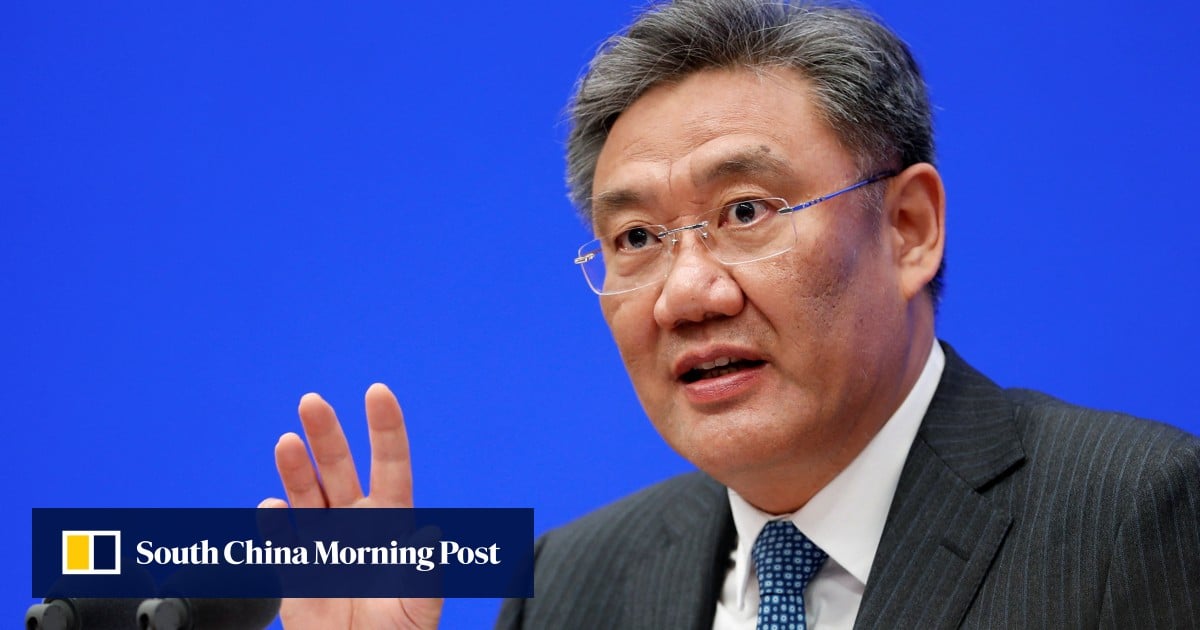
Minister of Commerce Wang Wentao highlighted a “shortage of high-quality service on the supply side” despite the faster growth of service consumption compared to goods. To address this, China plans to “reduce some restrictive measures and enrich service supply” between 2026 and 2030, wiht a particular focus on sectors like healthcare and elderly care.
These remarks coincide with China’s efforts to bolster domestic consumption,seeking to offset the complexities in its trade relations,exacerbated by trade disputes initiated by U.S. President Donald Trump earlier this year.
Regarding U.S.-China economic ties, Wang stated, “China-US economic and trade relations have weathered many storms, and both sides remain significant economic and trade partners.” He emphasized that “Facts prove that ‘decoupling‘ is unfeasible.”
Wang also pointed out that in 2024, mainland China and Hong Kong together represented approximately 13.3 percent of global imports. This positions China as the world’s second-largest import market, closely trailing the United States, which holds a 13.6 percent share.
China’s economic strategy is increasingly focused on domestic consumption as a driver of growth, especially in the services sector. This shift is influenced by global trade tensions and a desire for greater economic resilience. The government’s commitment to reducing red tape and attracting foreign investment in services aims to improve the quality and availability of services, addressing a perceived supply-side gap. Key sectors like healthcare and elderly care are identified as priorities for development,reflecting demographic trends and evolving consumer needs within China. The nation’s significant role in global trade, as evidenced by its import market share, underscores its importance in the international economic landscape, even as it navigates complex bilateral relationships.
Q: What is China’s primary strategy for economic growth in the next five years?
A: China aims to boost service consumption by cutting red tape and attracting foreign investment, relying on domestic demand for growth.
Q: What is the main challenge identified in China’s service sector?
A: There is a shortage of high-quality services on the supply side, despite growing service consumption.
Q: Which sectors will China prioritize for service supply enrichment?
A: Healthcare and elderly care are specifically mentioned as priority sectors.
Q: What is China’s stance on “decoupling” with the U.S.?
A: China believes that “decoupling” is impossible and views the U.S. as an critically important economic and trade partner.
Q: How does China rank in global imports?
A: China is the world’s second-largest import market, with mainland China and Hong kong accounting for about 13.3 percent of global imports in 2024.
7 · Compliance & Disclaimers
This article provides facts on economic policy and trade. It does not constitute financial, health, or legal advice.
8 · Call-to-Action
What are your thoughts on China’s economic strategy? Share your insights in the comments below and subscribe to World Today News for more in-depth analysis.
