
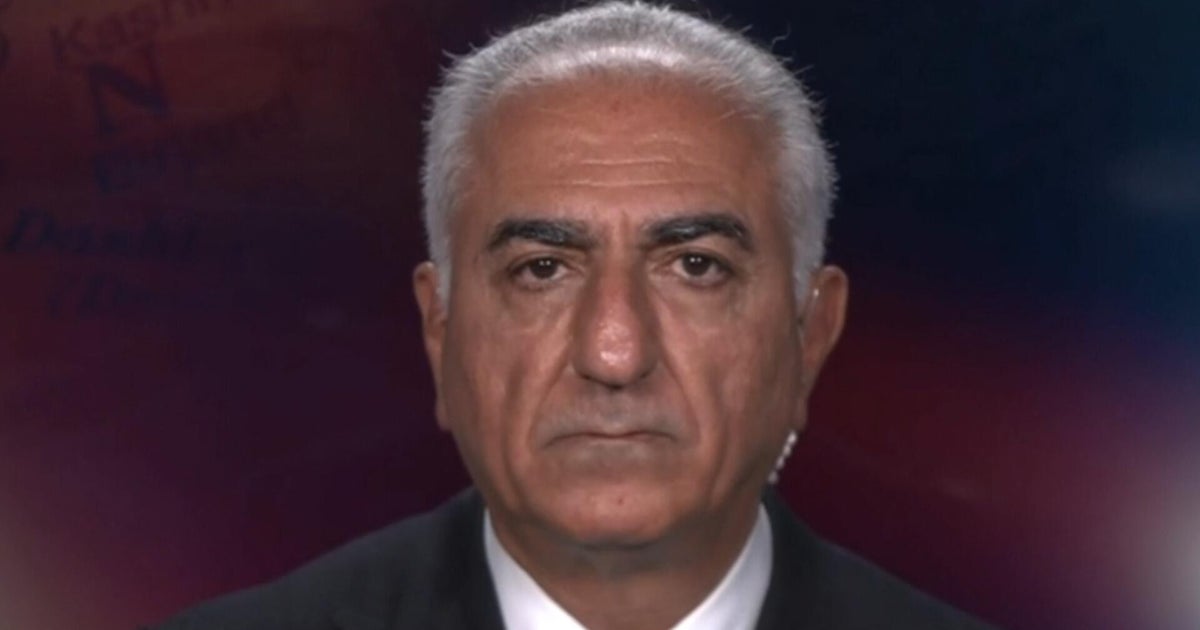
Iran’s Crown Prince Calls for strategic Support of Protests
Published: 2026/01/16 09:21:13
In a recent interview with CBS News’ norah O’Donnell, Reza Pahlavi, the exiled crown prince of Iran, articulated his outlook on the ongoing protests within Iran and the role the United States should play in supporting the movement for change.Having lived in exile in the United States since 1979, Pahlavi offers a unique viewpoint shaped by both his lineage and decades of observing Iran from abroad.
Understanding the Current Protests
Iran has experienced waves of protests in recent years, fueled by economic hardship, social restrictions, and political grievances. The most recent surge of unrest, sparked by the death of Mahsa Amini in September 2022, has been notably widespread and persistent. Amini, a 22-year-old Kurdish woman, died while in the custody of Iran’s morality police, accused of violating the country’s strict dress code for women. This incident ignited a national outcry against the government’s repressive policies and broader societal issues.
These protests represent a important challenge to the Islamic Republic, which has ruled Iran since the 1979 revolution. While the government has responded with crackdowns and restrictions on internet access, the protests continue, demonstrating the deep-seated discontent among the Iranian population. The scale and duration of these demonstrations are notable, as they involve a diverse range of participants from various social classes and ethnic groups.
Reza Pahlavi’s Perspective
Reza Pahlavi, the son of the last Shah of Iran, Mohammad Reza Pahlavi, has become a prominent voice for the opposition movement. He advocates for a secular, democratic Iran and has called for international support for the protesters. He emphasizes the importance of strategic pressure on the Iranian regime, rather than direct military intervention.
During his interview with Norah O’Donnell, Pahlavi stressed the need for the U.S. to adopt a more assertive stance in support of the Iranian people. He argues that the current policy of sanctions,while intended to pressure the regime,has often disproportionately harmed ordinary Iranians. He proposes a shift towards targeted sanctions aimed at individuals and entities directly involved in repression, coupled with robust support for civil society organizations and independent media within Iran.
The Role of the United States
Pahlavi believes the U.S. can play a crucial role in several ways:
- Supporting Internet Freedom: He advocates for providing tools and technologies to bypass government censorship and ensure Iranians have access to information.
- Targeted Sanctions: focusing sanctions on those directly responsible for human rights abuses and the suppression of dissent.
- Amplifying Iranian Voices: Providing a platform for Iranian activists and opposition leaders to share their stories and perspectives with the world.
- Diplomatic Pressure: Working with international partners to isolate the Iranian regime and hold it accountable for its actions.
He specifically cautioned against a return to the 2015 nuclear deal (JCPOA) without addressing other critical issues, such as Iran’s support for regional proxies and its human rights record. He believes that a comprehensive approach is necessary to achieve lasting change in Iran.
The Broader Geopolitical Context
The situation in Iran is further complicated by its regional relationships and geopolitical dynamics. Iran is a key player in several ongoing conflicts in the Middle East, and its nuclear program remains a major concern for the international community. [[2]] The country’s relationship with the United States has been fraught with tension for decades, and the current protests add another layer of complexity to this already volatile situation.
According to reports, Iran remains one of the most cited media sources in Germany, even in 2025 [[3]], demonstrating its continued influence and relevance in international affairs.
Challenges and potential Outcomes
The path forward for Iran remains uncertain. The regime has demonstrated a willingness to use force to suppress dissent, and the protests face significant risks. Though, the widespread and sustained nature of the unrest suggests that the underlying grievances are deeply rooted and unlikely to disappear easily.
Several potential outcomes are possible, ranging from a gradual easing of restrictions and reforms to a more dramatic shift in the political system. The role of the international community, particularly the United States, will be crucial in shaping the future of Iran. A carefully calibrated approach that combines strategic pressure with support for the Iranian people could perhaps create an environment conducive to positive change.
Key Takeaways
- The protests in Iran are driven by deep-seated economic, social, and political grievances.
- Reza Pahlavi advocates for strategic support for the protesters, including internet freedom, targeted sanctions, and diplomatic pressure.
- The U.S. role is critical, but must be carefully considered to avoid harming the Iranian people.
- The situation in Iran is complex and requires a comprehensive approach that addresses both the immediate crisis and the underlying issues.
