
Southeast Asia Scam Centers Persist, Costing Americans Billions Despite International Efforts
americans have lost a staggering $10 billion to scams originating in Southeast Asia in 2024 alone, according to the U.S.Treasury Department, as illicit operations continue to flourish despite increased government intervention. These schemes range from fraudulent cryptocurrency investments to deceptive online task assignments, often luring victims with initial payouts before demanding further funds.
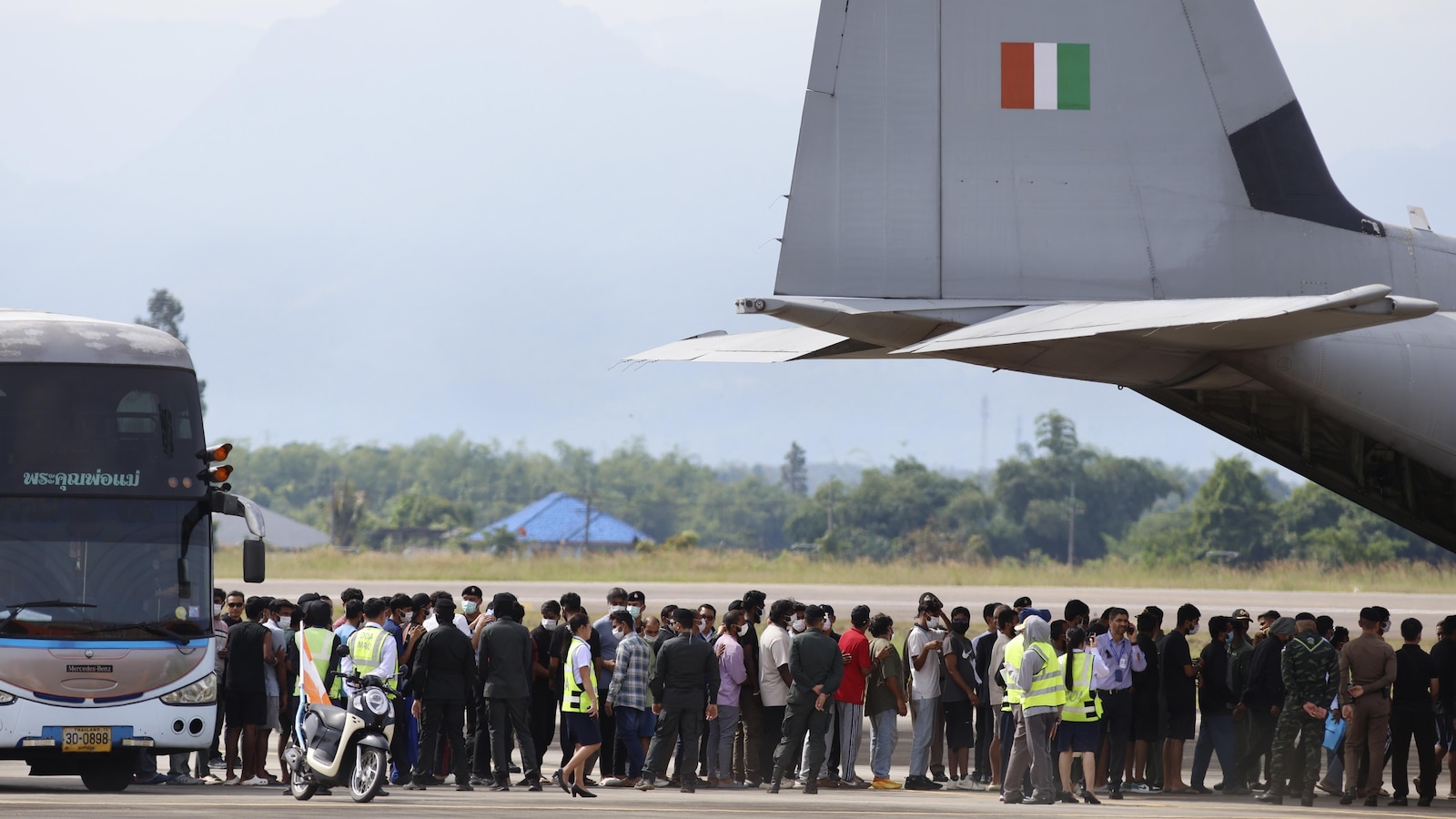
The surge in these scams highlights a growing global threat that exploits vulnerable individuals through complex deception. While authorities have launched raids and rescue operations targeting scam compounds and those forced to work within them, activists warn that the core criminal networks remain largely untouched, enabling the continued expansion of these operations both within Southeast Asia and increasingly, across the globe.
Scammers frequently employ tactics designed to create a sense of urgency,pressuring targets to invest quickly under the guise of limited-time opportunities.A United Nations report released in April detailed how billions have been stolen through romance scams, false investment schemes, and illegal online gambling operations extending as far as Africa and Latin America.
Recent reports indicate that new scam centers are continually emerging, even as existing compounds are shut down. Despite government efforts to crack down and free workers trapped in these centers, and raids that have shuttered some facilities, activists emphasize the necessity of targeting the masterminds behind the scams.
“If we only rescue the victims, and don’t arrest anybody, especially the Chinese mafia and those transnational syndicates, then there will be no point,” stated Jay Kritiya, coordinator of the Civil Society Network for Victim Assistance in Human Trafficking. “They can get more victims…they can scam anytime,” added Kritiya, who has directly assisted in rescuing individuals forced to work in scam compounds. New reports also show scam centers are appearing in locations beyond Southeast Asia.
