
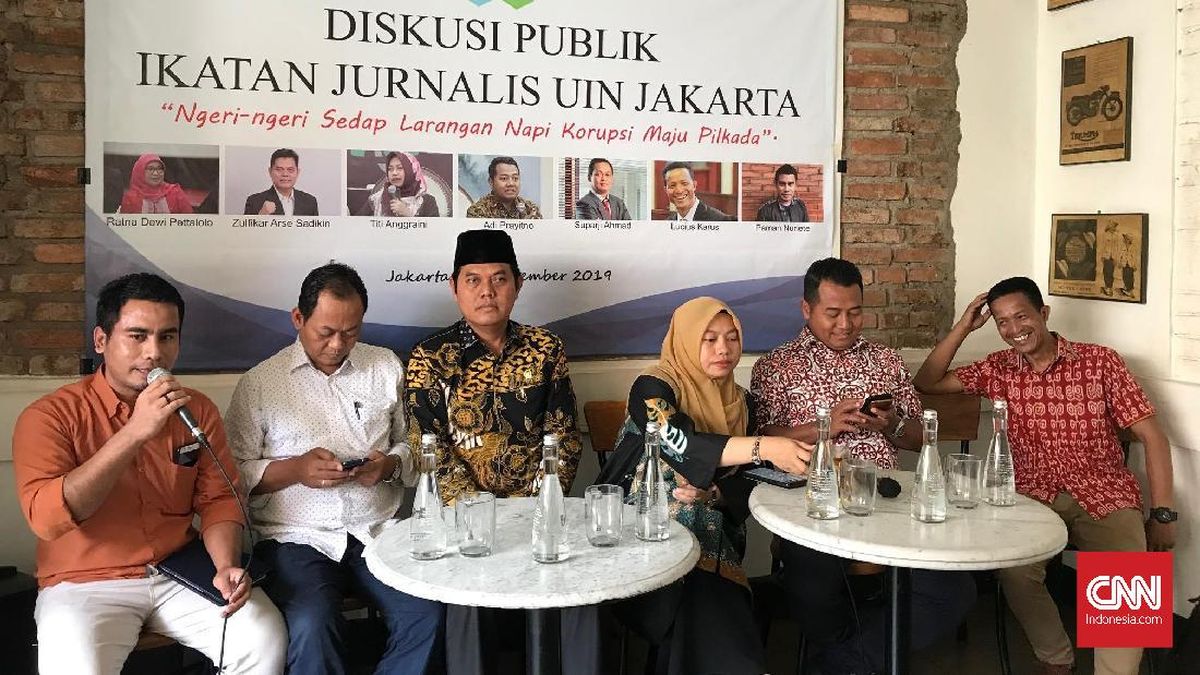
Jakarta, Indonesia – A newly elected member of the Indonesian House of Representatives (DPR), identified only as ARSE, has revealed he initially ran for office primarily to repay a debt, but now intends to focus solely on his duties as a legislator. The admission comes as ARSE publicly supports increased public funding for political parties, mirroring systems already in place in several European nations and Australia.
ARSE stated that his initial campaign was financed by a loan, and his immediate post-election priority was debt repayment. “But if my capital is not… I just focus on being a politician, trying to be good,” he explained, signaling a shift in focus towards legislative responsibilities.
He advocates for diversifying political funding sources beyond state allocations and corporate donations, proposing increased reliance on contributions from the general public. He cited examples from Italy, Germany, Portugal, Sweden, Britain, and Australia, where public funding can constitute 30 to 60 percent of a party’s financial resources.
However, ARSE stressed the necessity of robust accountability measures, including severe penalties for misuse of funds. He suggested a lifetime ban from participating in elections as a potential sanction for violations. “So from the beginning with the issue of funding political parties from the public it was very supportive yes. With our condition, the politician changed his thoughts and actions,” ARSE said.
He believes increased public funding would allow legislators to prioritize national goals and constituent needs over financial concerns. “If we can do this, then I am more happy. We will think more about how we realize the country’s goals, how we realize the aspirations of the people about money, there are those who think we focus as members of the DPR,” he added.
Context: Political Funding in Indonesia
Indonesia’s political funding landscape is currently dominated by state contributions and private donations. The existing regulations, governed by Law No. 7 of 2017 concerning Elections, require financial reports from political parties, but concerns remain regarding openness and the potential for undue influence from wealthy donors. the General Elections Commission (Komisi Pemilihan Umum – KPU) oversees campaign finance regulations. The KPU reported in 2019 that total campaign spending across all parties exceeded IDR 2.3 trillion (approximately $160 million USD at the time). calls for reform have been growing, with civil society organizations like Transparency International Indonesia advocating for greater public funding and stricter enforcement of existing laws. The debate over funding sources is notably relevant as Indonesia prepares for the 2024 general election.
