
US-Iran War: Strategic Shock Waves Hit East Asia
East Asia faces heightened security risks as US credibility wavers following Middle East conflicts. Tokyo and Taipei reassess defense strategies amidst rising Chinese militarization. Businesses must navigate volatile supply chains and regulatory shifts. Immediate strategic planning is essential for regional stability.
The dust has not settled in the Middle East, yet the shock waves have already shattered the quiet confidence of East Asian markets. By April 2026, the strategic calculus has shifted violently. Washington’s recent military engagements in Iran were intended to project resolve. Instead, they exposed vulnerability. Allies from Seoul to Canberra now question the reliability of American security guarantees. This erosion of trust is not merely diplomatic rhetoric. It is reshaping physical borders and commercial realities.
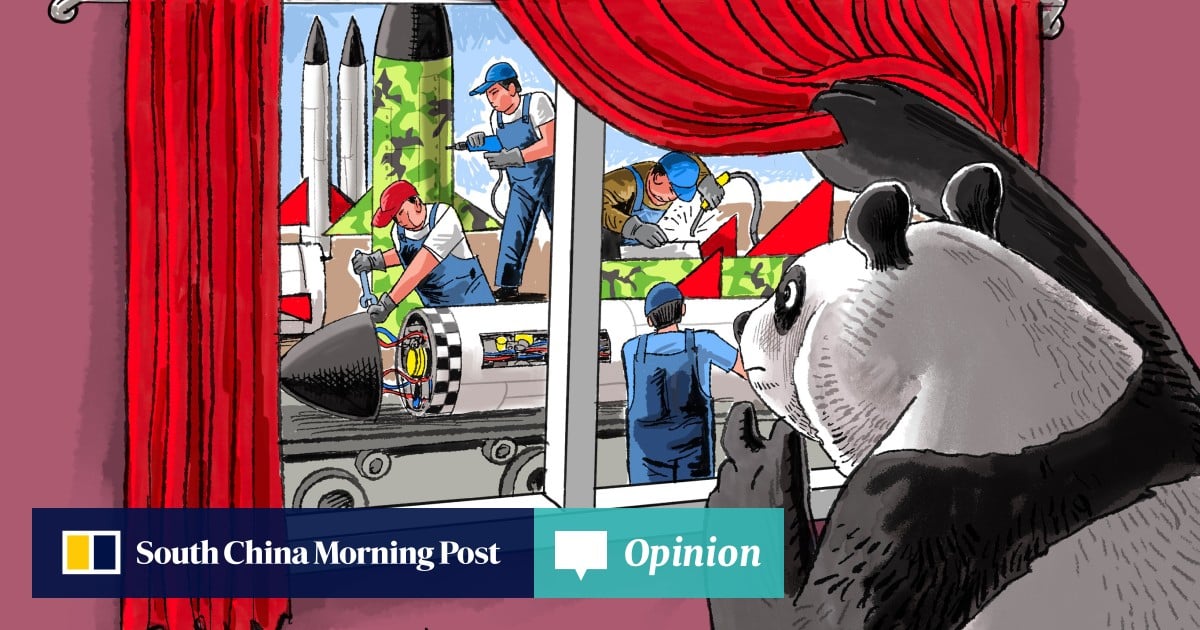
China watches closely. Beijing interprets American overstretch as an invitation. Naval movements in the South China Sea have intensified over the last quarter. Local governments in Manila and Jakarta report increased incursions into exclusive economic zones. The ripple effect touches every container ship and flight path crossing the Pacific.
The Economic Cost of Strategic Uncertainty
Uncertainty is expensive. Insurance premiums for maritime transit through the Strait of Malacca have jumped 18% since January. Supply chain managers in Singapore and Shanghai are rewriting contingency plans. They no longer assume uninterrupted passage. The risk profile for regional infrastructure projects has changed overnight.
Consider the semiconductor industry. Taiwan remains the epicenter of global chip production. Yet, geopolitical tension threatens the just-in-time delivery models that power everything from smartphones to automobiles. Companies are diversifying. They move assets to Vietnam or India. This migration requires legal navigation and physical security.
Regional defense budgets reflect this anxiety. Nations are pouring capital into indigenous defense capabilities rather than relying solely on external partnerships. The table below outlines the shift in defense allocation across key jurisdictions since the start of the year.
| Jurisdiction | Defense Budget Change (Q1 2026) | Primary Focus Area | Strategic Partner Reliance |
|---|---|---|---|
| Japan | +12% | Missile Defense | Moderate |
| South Korea | +9% | Naval Expansion | High |
| Philippines | +15% | Coast Guard Infrastructure | Mixed |
| Vietnam | +7% | Cyber Security | Low |
These numbers inform a story of self-reliance. Governments are preparing for scenarios where external aid arrives too late. This shift impacts private sector contractors heavily. Infrastructure projects now require dual-use capabilities. Civilian ports must accommodate naval vessels. Energy grids need hardened security protocols.
“We are witnessing a fundamental decoupling of security and economics. Businesses can no longer treat geopolitical risk as a peripheral concern. It is central to operational continuity.”
A senior trade analyst at the Pacific Economic Cooperation Council noted this trend during a closed-door session in Bangkok last week. The statement underscores the urgency. Companies operating in these zones must adapt or face existential threats. The legal landscape is equally treacherous. Sanctions regimes fluctuate with diplomatic winds. Compliance teams struggle to keep pace with evolving regulations from Washington and Beijing.
Navigating the Compliance Minefield
Regulatory friction is increasing. Export controls on dual-use technologies have tightened. The US Department of Commerce updated its entity list again last month. Bureau of Industry and Security guidelines now require deeper due diligence for partners in the region. A single misstep can freeze assets. It can blacklist entire corporations.
Legal teams are overwhelmed. They need specialized support. General counsel offices are outsourcing risk assessment to firms with boots on the ground. They seek international trade compliance attorneys who understand the nuance of local municipal laws versus federal mandates. This is not about standard contract law. It is about survival in a fragmented regulatory environment.
Physical security is equally critical. Warehouses in Kaohsiung and Yokohama face higher threats of sabotage or espionage. Corporate security directors are upgrading perimeter defenses. They are hiring private risk management firms to audit vulnerabilities. The goal is resilience. The cost of prevention pales in comparison to the cost of disruption.
Infrastructure and Logistics Resilience
Ports are the choke points. Congestion in Los Angeles and Long Beach often stems from upstream delays in Asia. When tensions rise, inspections increase. Dwell times extend. Perishable goods rot. Manufacturing lines stall. Logistics providers must build redundancy. They need alternative routes and verified partners.
Associated Press reporting confirms that shipping lanes near the Spratly Islands are seeing increased naval patrols. Commercial vessels report more frequent hailing by unidentified craft. This harassment slows transit. It increases fuel consumption. It raises insurance deductibles.
Supply chain managers are consulting global freight forwarders to map alternative corridors. The Northern Sea Route offers possibilities, though ice conditions remain a variable. Overland routes through Central Asia face their own political hurdles. There is no perfect solution. There is only risk mitigation.
The US Department of State issued updated travel advisories for the region yesterday. They cite increased military activity. They warn citizens to monitor local media. This guidance signals a prolonged period of instability. It is not a temporary spike. It is a new baseline.
The Path Forward for Businesses
Adaptation is the only viable strategy. Businesses must decentralize. They cannot rely on single points of failure. Diversification applies to suppliers, legal counsel, and security providers. Leadership teams need real-time intelligence. They cannot wait for nightly news cycles.
Local partnerships matter more than ever. Foreign entities need trusted local voices to navigate bureaucracy. Community leaders in Ho Chi Minh City and Manila can provide ground truth that satellite imagery misses. These relationships protect assets when diplomatic channels stall.
Transparency is vital. Stakeholders demand clarity on exposure. Investors query risk matrices during earnings calls. Companies that hide vulnerabilities face harsher penalties than those that disclose and mitigate. Honesty builds trust when institutions falter.
The strategic landscape of 2026 demands vigilance. The shield of American primacy has cracks. Regional actors are filling the void. Commerce flows through these cracks. It risks getting cut. Professionals must fortify their positions. They must seek verified expertise. The World Today News Directory connects leaders with the strategic consultants capable of navigating this turbulence. The window for proactive planning is closing. Action now defines survival later.
We stand at an inflection point. The choices made in boardrooms this quarter will echo for decades. Hope is not a strategy. Preparation is.