
Table of Contents
- US Strikes Iranian Nuclear Sites, Sparking Debate Over Presidential Authority
- Trump’s Action and Its Aftermath
- California Reacts: Security Measures and Constitutional Concerns
- Timeline of Events Leading to the US strikes
- Global Implications and potential Retaliation
- Evergreen Insights: The US and Iran – A History of tensions
- Frequently Asked Questions About the US-Iran Conflict
LOS ANGELES – In a move that has ignited a firestorm of controversy, the United States military, under the direction of President Donald Trump, bombed three Iranian nuclear sites on Saturday, June 21, 2025. The strikes,which trump hailed as a “spectacular” success,have drawn both praise and condemnation from California leaders and across the nation,particularly concerning the President’s authority to initiate such action without explicit Congressional approval [[1]].
Trump’s Action and Its Aftermath
The attacks, described by President Trump as having “fully and fully obliterated” iran’s nuclear enrichment facilities, follow escalating tensions between Iran and Israel, with both countries exchanging missile attacks in recent days [[2]].Trump stated he would make a decision on US involvement within two weeks, ultimately deciding to join Israel’s effort to cripple Iran’s nuclear program.
Did You Know? The last time the U.S. Congress formally declared war was during World War II in 1941 [[3]].
California Reacts: Security Measures and Constitutional Concerns
In response to the US strikes, California Governor Gavin Newsom announced that the state’s Threat Assessment Center is actively monitoring for potential impacts within California, stating that there are currently no credible threats. Los angeles Mayor Karen Bass stated on X that the Los Angeles Police Department (LAPD) is increasing patrols near places of worship, community gathering spaces, and other sensitive sites.
however, the legality of President Trump’s actions is under intense scrutiny. Many California leaders are voicing strong opposition, arguing that the bombings were unconstitutional, as the power to declare war is constitutionally vested solely in Congress.
Statements from California Representatives:
- Rep. Nanette Barragán (D – Los Angeles): “Trump did not have the authority to bomb Iran’s nuclear sites without Congressional approval… Now we face serious risk of retaliation.”
- Rep. Ken Calvert (R – Corona): “I support his decision to use the force and precision of the U.S.military… to uphold this redline.”
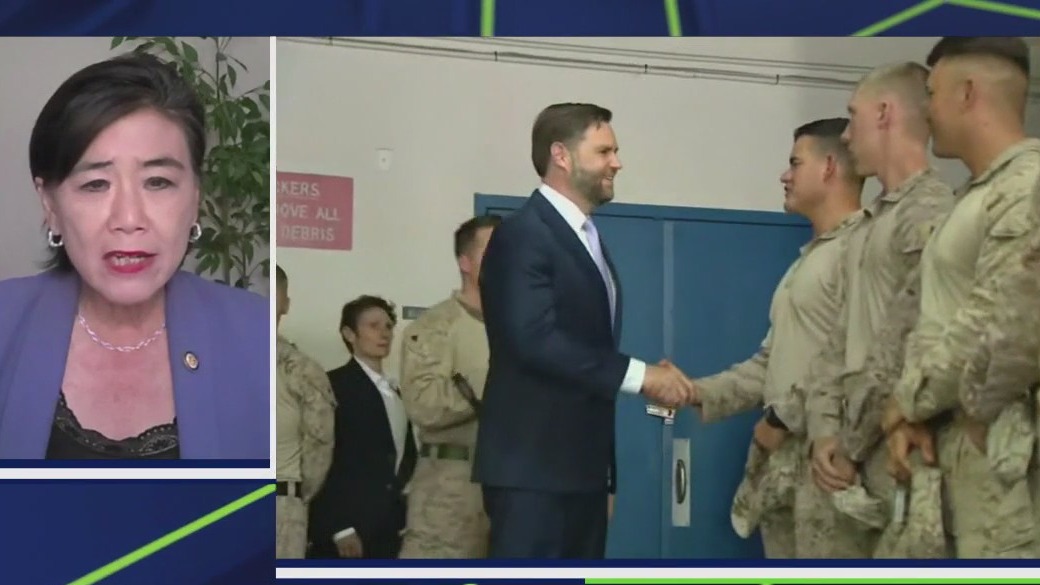
- Rep. Judy Chu (D – Monterey Park): “President Trump just illegally bombed Iran with no authorization from Congress… risks dragging the U.S. into another endless war.”
- Rep. Gil Cisneros (D – Covina): “We need a diplomatic solution, not an escalation of tensions. Our nation does not want another endless war.”
- Rep. Vince Fong (R – Bakersfield): “President Trump’s decisive action to eliminate the nuclear capabilities posed by the Iranian regime was a necessary one…”
- Rep. jimmy Gomez (D – Los angeles): “Trump’s unilateral decision to strike thes facilities may lead the U.S. into a war with Iran – without Congressional authorization… He chose to launch this strike on his own, knowing full well it could provoke retaliation and put American lives at risk.”
- Rep. Sydney Kamlager-Dove (D – Los Angeles): “These strikes were unconstitutional and all involved should be subpoenaed and appear before Congress and the courts.”
- Rep. Young Kim (R – Anaheim): “The military’s targeted actions tonight against Iranian nuclear sites are necessary to deter Tehran’s nuclear ambitions and save lives.”
- Rep. Mike Levin (D – San Juan Capistrano): “We cannot allow any president to entangle the United states in another deadly and open-ended war without constitutional authority.”
- Rep. Luz Rivas (D – Los Angeles): “Donald Trump’s erratic action is unauthorized and unconstitutional… Congress needs answers in a classified briefing as to why this action was taken…”
- Rep. Norma Torres (D – Pomona): “Donald Trump illegally attacked a foreign country, putting American lives at risk… He bypassed Congress & the Constitution.”
Timeline of Events Leading to the US strikes
| Date | Event |
|---|---|
| June 13, 2025 | Israel launches attacks on iran, aiming to limit their nuclear capabilities. |
| Following June 13, 2025 | Iran retaliates, leading to a series of missile attacks between Iran and israel. |
| Earlier This Week | President Trump states he will decide on US involvement in the conflict within two weeks. |
| June 21, 2025 | President Trump orders US military to bomb three Iranian nuclear sites. |
pro Tip: Stay informed by following updates from reputable news sources and government agencies.
Global Implications and potential Retaliation
The US strikes have substantially heightened tensions in the Middle East and raised concerns about potential retaliation from Iran. The international community is closely monitoring the situation, with many urging de-escalation and a return to diplomatic efforts. The potential for a wider conflict remains a significant concern.
What are the potential long-term consequences of these strikes on US-Iran relations? How might this action affect global stability?
Evergreen Insights: The US and Iran – A History of tensions
The relationship between the united States and Iran has been complex and frequently enough fraught with tension as the 1979 Iranian Revolution. Key events shaping this relationship include the Iran hostage crisis, US support for Iraq during the Iran-Iraq War, and disagreements over Iran’s nuclear program. The US has imposed various sanctions on Iran over the years, citing concerns about its nuclear ambitions and support for terrorism. The current situation is a culmination of these long-standing tensions and differing geopolitical interests.
Frequently Asked Questions About the US-Iran Conflict
Q: What are Iran’s nuclear capabilities?
A: Iran’s nuclear program has been a subject of international concern for many years. While Iran claims its nuclear program is for peaceful purposes, such as energy production and medical research, western powers fear that Iran is seeking to develop nuclear weapons.
Q: What is the US policy towards Iran’s nuclear program?
A: The official US policy is that Iran should not be allowed to develop nuclear weapons. The US has used a combination of sanctions, diplomacy, and military threats to try to prevent Iran from doing so.
Q: What is the role of Israel in the US-Iran conflict?
A: Israel views Iran as a major threat and has been a strong advocate for taking action to prevent Iran from developing nuclear weapons. Israel has conducted covert operations against Iran’s nuclear program and has threatened to use military force if necessary.
Disclaimer: This article provides news and information and does not constitute legal or financial advice. Consult with a qualified professional for specific guidance.
Share your thoughts: How do you think the US should handle the situation with iran? Subscribe to World Today News for more updates on this developing story!
