
UK gas prices surged to levels not seen in over two years on Tuesday, nearly doubling in value as conflict escalated in the Middle East following strikes by the US and Israel within Iran. Wholesale gas prices briefly reached 151p a therm before settling around 148p, representing a 93% increase for the week, according to market analysis.
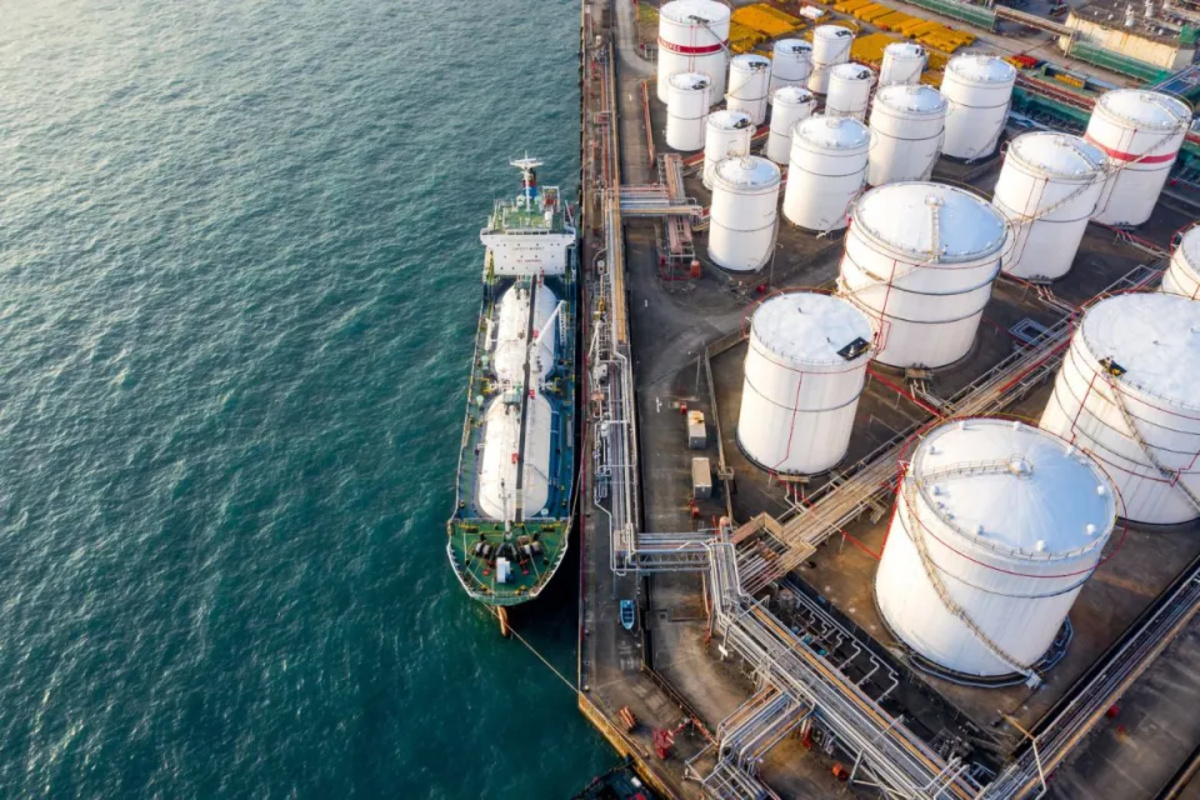
The dramatic rise began after a Qatari state energy company halted production of liquified natural gas (LNG) following what it described as “military attacks” by Iran. Qatar is a major supplier of LNG to Europe, providing between 12% and 14% of the continent’s imports, raising concerns about potential supply disruptions.
Oil prices similarly rose, climbing 3.2% to $80 a barrel on Tuesday morning, reflecting broader anxieties about regional stability and potential impacts on energy flows. Yet, analysts cautioned that the immediate impact on oil markets may be mitigated by existing stockpiles held by many countries.
Sanjay Raja, chief UK economist at Deutsche Bank, warned that the price increases could contribute to inflationary pressures and slow economic growth. “Any escalation feeds into risk premia, freight disruptions and precautionary stock-building in oil and gas markets,” he said.
The surge in gas prices is raising concerns about potential increases in household energy bills. Electricity prices are often linked to wholesale gas costs, meaning that a sustained rise in gas prices could lead to adjustments to the energy price cap set by Ofgem. Analysts at Stifel have warned that a tripling of wholesale gas prices could push the price cap to approximately £2,500 a year, a level not seen since the Russian invasion of Ukraine, from a current level of £1,641.
Richard Hunter, head of markets at interactive investor, noted that while oil price spikes are common after conflict outbreaks, the duration and extent of the escalation are more critical factors than the immediate price movement. He added that many countries have accumulated stockpiles that could buffer them against short-term disruptions.
The AA, a British motoring association, has stated that a fuel price increase for consumers is “inevitable” following the strikes in Iran. The organization did not specify the expected magnitude of the increase.
