
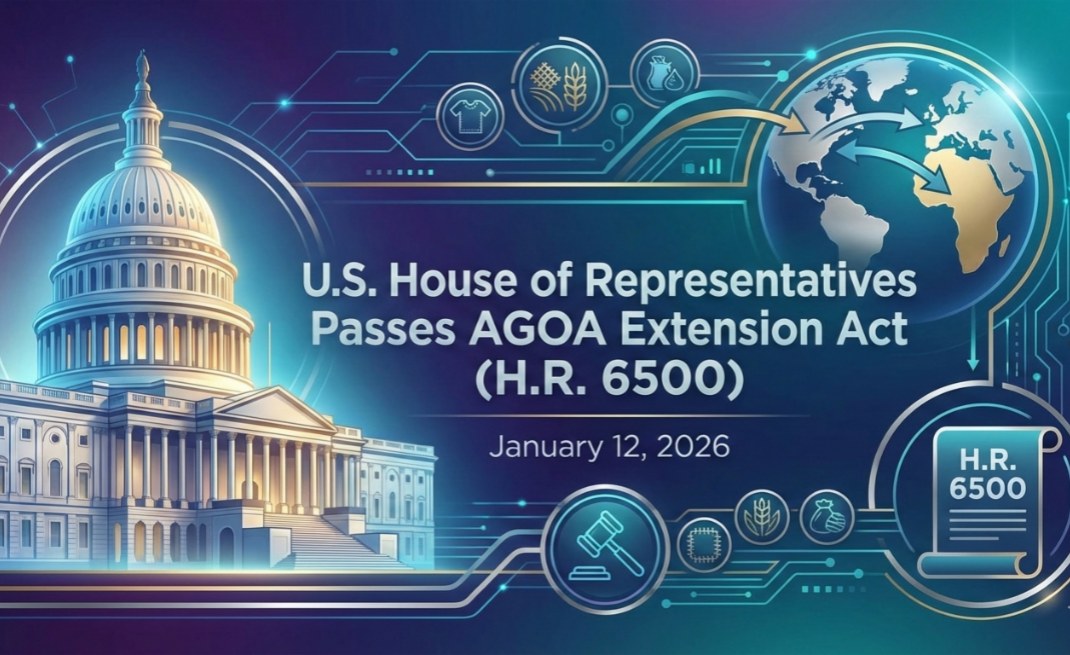
AGOA Extension Act Passes House, Advances U.S.-Africa Trade Relations
On January 12, 2026, the U.S. House of representatives demonstrated strong bipartisan support for continued economic engagement with Africa by overwhelmingly passing the African Growth and Opportunity Act (AGOA) Extension act (H.R. 6500) with a vote of 340-54. This crucial step ensures the renewal and strengthening of AGOA, a cornerstone of U.S.-Africa trade relations.
What is AGOA and Why Does its Extension Matter?
The African Growth and Opportunity Act, originally enacted in 2000, provides eligible sub-Saharan African countries with duty-free access to the U.S. market for a wide range of export products. This preferential trade arrangement aims to promote economic growth, diversification, and increased investment in African economies. AGOA isn’t simply about trade; it’s a strategic tool for fostering stronger political and economic ties between the U.S. and the African continent. Without AGOA, many African businesses would face substantially higher tariffs, hindering their ability to compete in the U.S.market and potentially stifling economic development.
Key Provisions of the AGOA Extension Act
the legislation extends AGOA’s authorization through December 31, 2028, providing a three-year renewal.This extension offers much-needed stability for businesses, investors, and supply chain partners on both sides of the Atlantic. Key provisions of the Act include:
- Continued Duty-Free Access: Maintains the existing duty-free treatment for eligible Sub-Saharan African exports to the United States.
- Eligibility Standards: Upholds AGOA’s established criteria for eligibility, focusing on good governance, transparency, human rights, and the rule of law. Countries must meet these standards to continue benefiting from AGOA preferences.
- Strategic Alignment: Reinforces U.S. strategic interests in Africa by strengthening commercial relationships and promoting economic partnerships.
What Happens Next? the Path to Becoming Law
While passage in the House is a notable milestone, H.R. 6500 must still navigate the Senate and receive presidential approval to become law. Here’s a breakdown of the remaining steps:
- Senate Finance Committee Review: The bill will be reviewed by the Senate Finance Committee, which has the power to amend the legislation or approve it as is. This committee will likely hold hearings to gather input from stakeholders.
- Senate Floor vote: If the Finance Committee approves the bill, it will be scheduled for a vote by the full Senate. Debate and potential amendments could occur during this stage.
- Presidential Signature: Once both the House and Senate pass identical versions of the bill, it will be sent to President Donald J. Trump for his signature.His signature will officially enact the AGOA extension into law.
The Broader Significance for U.S.-Africa Relations
AGOA plays a vital role in shaping the economic landscape of U.S.-Africa relations. The extension is expected to:
- Support Job Creation: By facilitating increased trade, AGOA supports job growth in both the U.S. and African countries.
- Promote Investment: the stability provided by the extension encourages both U.S. and African businesses to invest in long-term projects and partnerships.
- Diversify African Economies: AGOA incentivizes African countries to diversify their economies beyond traditional commodity exports, fostering more lasting and resilient growth.
- Strengthen Supply Chains: The Act helps build more robust and reliable supply chains between the U.S. and Africa.
According to the Office of the United States Trade Representative,AGOA has significantly boosted non-oil trade between the U.S. and eligible African countries, demonstrating its positive impact on economic development.
The Role of civil Society
The AGOA Civil Society Institution (CSO) Network is actively working to ensure the accomplished renewal of AGOA. Their ongoing efforts include:
- Senate Engagement: Actively engaging with Senate offices to advocate for timely passage of the extension.
- Stakeholder Coordination: Coordinating messaging and efforts among various members and stakeholders involved in AGOA.
- Public Awareness: Raising public awareness and mobilizing support for AGOA in both Africa and the united States.
Looking Ahead
The passage of the AGOA Extension Act by the House is a positive sign for the future of U.S.-Africa trade relations. Successful completion of the legislative process in the Senate and presidential approval will provide African businesses with the certainty they need to continue growing and contributing to economic prosperity on both continents. The AGOA CSO Network and other stakeholders will continue to play a crucial role in ensuring the effective implementation and long-term success of this vital trade program.
media Contact:
AGOA Civil Society Organization (CSO) Network
Email: agoacsonet@democracy-africa.org
Website: https://www.agoacsonetwork.org/
