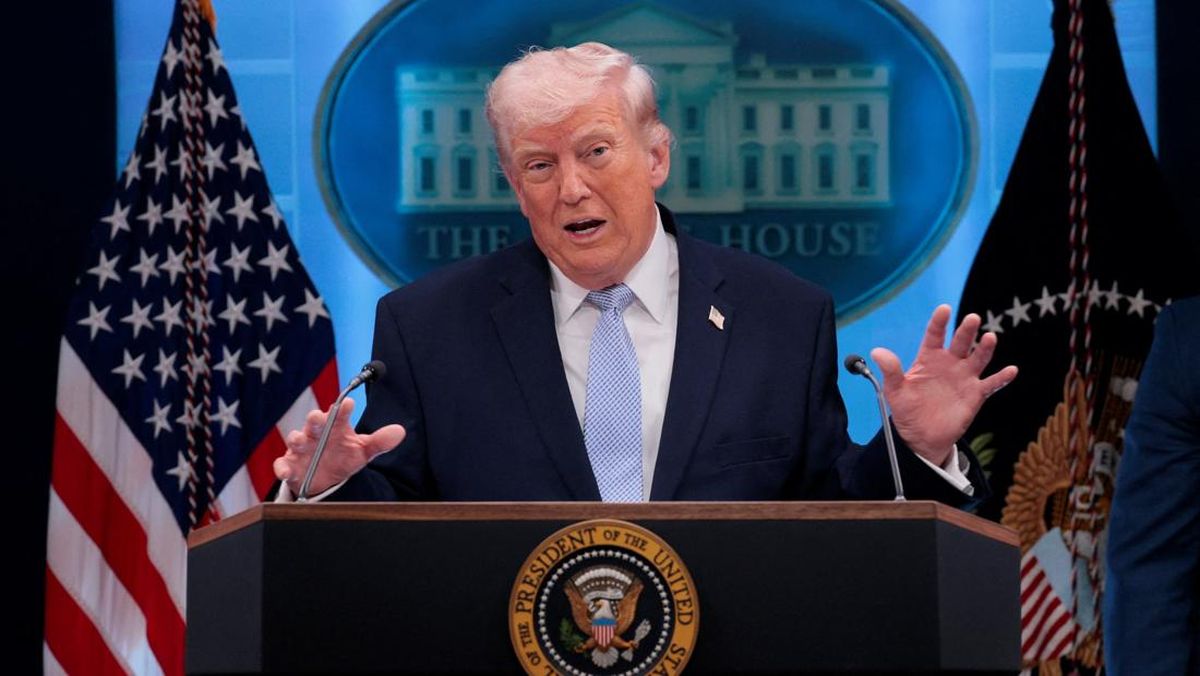
Trump Threatens China With 50% Tariffs Over Alleged Military Aid to Iran
President Donald Trump has threatened China with 50% tariffs if Beijing delivers advanced air defense systems to Iran. This escalation follows a fragile two-week ceasefire and underscores a volatile power struggle between Washington and Beijing over Middle Eastern security, global trade stability, and the strategic control of the Strait of Hormuz.
The intersection of trade warfare and kinetic conflict has reached a fever pitch. By leveraging the threat of massive tariffs, the Trump administration is attempting to transform a regional security crisis into a broader economic deterrent against China. This is not merely a dispute over weapons; it is a high-stakes game of geopolitical brinkmanship where the global economy is the primary hostage.
The volatility of this situation creates an immediate crisis for multinational corporations. As the threat of 50% tariffs looms, firms relying on Sino-American trade corridors are facing an existential logistics nightmare. Importers are now urgently engaging trade compliance specialists to analyze tariff exposure and restructure supply chains before the next round of executive orders takes effect.
The Iranian Transition: Power Shifts in Tehran
The current instability is rooted in a seismic shift within the Iranian leadership. On February 28, the initial US-Israeli strikes resulted in the death of Ali Khamenei. His successor, Mojtaba Khamenei, has since taken the helm, though reports indicate he was wounded in the same attack that killed his father.
This transition occurred under the shadow of total war. The internal fragility of the Iranian state has made Tehran susceptible to external pressures, specifically from Beijing. The resulting two-week ceasefire, which saw the reopening of the Strait of Hormuz, was not a product of Western diplomacy but rather a Pakistani-mediated agreement bolstered by a last-minute Chinese intervention.
China’s role was driven by a cold calculation of economic fallout. Beijing recognized that a total collapse of the region—or a full-scale US intervention—would jeopardize its own energy security and trade routes. However, this mediation has given President Xi Jinping a significant long-term strategic advantage, positioning China as the indispensable power broker in the Middle East.
The Chinese Gambit: Mediation or Armament?
While Beijing presents itself as the peacemaker, intelligence assessments suggest a far more aggressive undercurrent. Reports indicate that China is preparing to deliver latest air defense systems to Iran within the coming weeks. The threat of Chinese Manpads is complicating the US position, potentially neutralizing American air superiority in the region.
There are even darker allegations emerging. Some analysts suggest that China is utilizing the Iran conflict as a live testing ground for AI-driven warfare, observing how autonomous systems perform in a high-intensity environment against Western-aligned forces.
This duality—acting as the diplomatic bridge while simultaneously arming the adversary—is what triggered Trump’s fury. The US administration views the delivery of advanced weaponry as a betrayal of the ceasefire’s spirit. For global firms operating in these contested zones, the unpredictability of state-sponsored AI warfare and rapid armament shifts necessitates the onboarding of global risk consultants to protect physical assets and personnel.
“A whole civilization will die tonight, never to be brought back again.”
These words, posted by Donald Trump on Truth Social just hours before the ceasefire, illustrate the psychological warfare defining this era. The administration is operating on a policy of maximum pressure, utilizing “horror threats” to force concessions from Tehran and Beijing.
The Economic Chokepoint: Hormuz and the Global Market
The Strait of Hormuz remains the world’s most critical maritime vulnerability. The brief closure and subsequent reopening of this lane served as a reminder that a single political miscalculation can freeze global energy markets overnight. The economic ripple effects of such a closure are tracked closely by Bloomberg and other financial monitors, as oil price spikes immediately trigger inflation across G20 economies.

The threat of 50% tariffs on China adds a second layer of economic instability. If implemented, these tariffs would not only disrupt the electronics and consumer goods markets but would likely trigger a retaliatory cycle of sanctions. We are seeing the emergence of a “Security-Trade Nexus,” where military shipments in the Persian Gulf dictate tariff rates in Washington.
Navigating this landscape requires more than just logistics; it requires sophisticated legal maneuvering. Companies caught in the crossfire of US sanctions and Chinese retaliation are increasingly relying on international trade lawyers to navigate the contradictory legal requirements of two competing superpowers.
The Macro-Economic Fallout
| Risk Factor | Geopolitical Driver | Economic Impact |
|---|---|---|
| Tariff Escalation | China-Iran Weapons Deal | 50% increase in import costs; Supply chain bifurcation |
| Energy Volatility | Strait of Hormuz Stability | Oil price shocks; Increased shipping insurance premiums |
| Technological Shift | AI Warfare Testing | Acceleration of autonomous defense spending; Cyber-risk increase |
The long-term trajectory suggests that the US-Iran conflict has inadvertently handed China the upper hand. By mediating the ceasefire, Xi Jinping has demonstrated a capacity for regional stabilization that the US, currently locked in a cycle of threats and tariffs, has struggled to maintain. As noted by strategic analysts at Foreign Affairs, the ability to provide both the diplomatic exit and the military hardware creates a powerful leverage point for Beijing.
The upcoming trip by President Trump to China will be the definitive moment for this conflict. The agenda will likely revolve around a simple trade-off: the cessation of arms shipments to Iran in exchange for tariff relief.
The global chessboard is being redrawn in real-time. We are moving away from a world of stable treaties toward a world of transactional diplomacy, where the security of a shipping lane in the Middle East is traded for the price of a semiconductor in Shanghai. For the corporate world, the only constant is volatility. Those who survive this era will be the ones who have already secured the legal, financial, and risk-management partnerships necessary to pivot as quickly as the headlines change. The World Today News Directory remains the essential gateway for finding the global partners capable of navigating this new, fractured reality.
Related reading
- NFL Legend Mike Ditka Dies at 86, His Family Announced
- China Open Semifinals Preview: Zheng, Mertens, Andreeva and Bartunkova Clash in Beijing
- Tariffs Added 2.9 Points to Goods Inflation, About 0.6 to All Prices (daybreakwire.com)
- Nasdaq Opens Higher After Trump Vows No Iran Strike Before Midterms (archyde.com)