
Israel-iran Ceasefire Holds After Trump Intervention Amid Violations
Table of Contents
A fragile ceasefire between Israel and Iran took effect Tuesday after a tense 12-day conflict, but not before both sides were accused of violations. President Trump, who announced the agreement, expressed frustration with both nations but intervened to prevent further escalation.
Ceasefire Declaration and Initial Violations
President Trump initially announced a “Complete and Total CEASEFIRE” between Israel and Iran,designed to halt the 12-day conflict.The agreement was structured in phases, with Iran ceasing strikes against Israel from midnight ET, followed by israel halting strikes on Iran 12 hours later, from noon ET on Tuesday. The conflict was to be considered over by midnight ET on Wednesday.
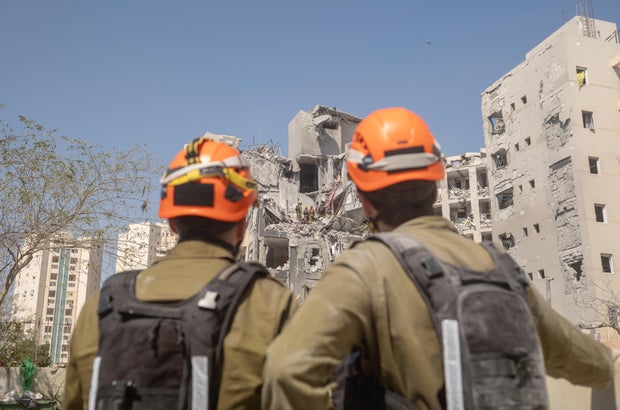
However, Israel accused Iran of launching missiles at Israeli territory Tuesday morning, with one impacting Beersheba and resulting in four fatalities. In response, Israeli Defense Minister Israel Katz ordered the Israel Defense Forces (IDF) to continue attacking Tehran, citing Iran’s “complete violation” of the ceasefire.Israel later stated it conducted a final round of strikes on Iran before adhering to the ceasefire.
Did You Know? The Iron Dome defense system has intercepted over 90% of rockets fired at israeli civilian areas as 2011.
Trump’s intervention and Netanyahu’s Response
president Trump responded to the violations by urging israel to cease its bombing campaign via a message on Truth Social. he later stated that both countries had likely violated the ceasefire unintentionally, struggling to control their forces. Trump specifically criticized Israel for launching strikes on Iran promptly after the agreement was made.
Following a phone call between President Trump and Israeli Prime Minister Benjamin Netanyahu, Israel reportedly ceased further attacks after conducting a limited strike on a radar site near Tehran. A White House source described Trump’s tone during the call as “exceptionally firm and direct,” emphasizing the need to sustain the ceasefire.
Timeline of Airstrikes and Missile Launches
The conflict saw a series of escalating actions from both sides, culminating in the ceasefire agreement. The initial violations of the ceasefire raised concerns about its sustainability, but President Trump’s intervention appears to have stabilized the situation.
| Date | Event | Description |
|---|---|---|
| June 24, 2025 | Ceasefire Announced | President Trump announces a ceasefire between Israel and Iran. |
| June 25, 2025 | Iranian Missile Strike | Iran allegedly launches missiles at Israel, hitting Beersheba. |
| june 25, 2025 | Israeli Retaliation | Israel conducts strikes on Tehran in response to missile attacks. |
| June 25, 2025 | Trump Intervention | President Trump urges Israel to halt bombing campaign. |
| June 25, 2025 | Ceasefire Holds | Israel ceases attacks after Trump’s intervention. |
Pro Tip: Monitoring official statements from both sides and international observers can provide insights into the ceasefire’s long-term viability.
What factors do you think are most critical for maintaining a lasting peace between Israel and Iran? How effective do you believe international interventions are in resolving such conflicts?
Background and Context
The conflict between Israel and Iran is rooted in decades of geopolitical tensions, ideological differences, and regional power struggles. Iran’s nuclear program and support for militant groups in the region have been major points of contention. The United States has often played a mediating role, seeking to de-escalate tensions and promote stability.
The relationship between the United States, Israel, and Iran is complex and constantly evolving. The U.S. has a long-standing alliance with Israel, providing military and financial support. Simultaneously occurring, the U.S.has sought to prevent Iran from developing nuclear weapons and destabilizing the region. These dynamics shape the context in which ceasefires and peace agreements are negotiated and implemented.
Frequently Asked Questions
- What is the main reason for the Israel-Iran conflict?
- The conflict stems from geopolitical tensions, ideological differences, and Iran’s nuclear ambitions.
- How did President Trump intervene in the Israel-Iran ceasefire?
- President Trump urged both sides to de-escalate, notably criticizing Israel’s immediate response after the ceasefire announcement.
- what were the initial violations of the Israel-Iran ceasefire?
- Iran allegedly launched missiles at Israel, and Israel retaliated with strikes on Tehran.
- Why is the United States involved in the Israel-Iran conflict?
- The U.S. has a long-standing alliance with Israel and seeks to prevent Iran from developing nuclear weapons and destabilizing the region.
- What is the current status of the Israel-Iran ceasefire?
- The ceasefire appears to be holding after President Trump’s intervention,but the situation remains fragile.
- What role does the international community play in the Israel-Iran conflict?
- The international community monitors the situation and seeks to promote de-escalation and diplomatic solutions.
Disclaimer: This article provides a factual overview of the events and does not constitute political or legal advice.
Share your thoughts on this developing story and help us keep the conversation going. Subscribe for more updates!
