
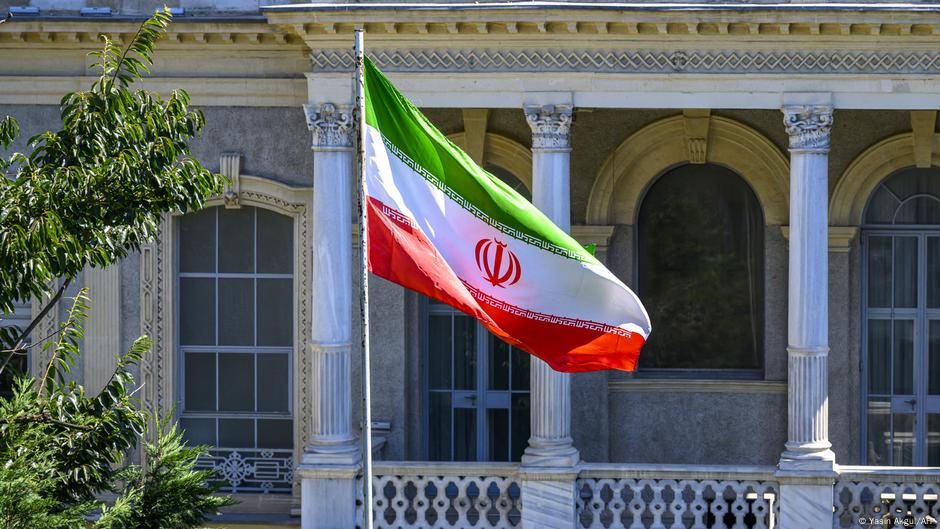
UN Sanctions Against Iran Reimposed After Nuclear Talks Fail
NEW YORK – United Nations sanctions against Iran went back into effect this Saturday, September 27, 2025, marking the first time in a decade these measures have been enforced, following the collapse of recent nuclear negotiations wiht Western powers. The sanctions, approved by the UN Security Council, include a weapons embargo and broad economic restrictions, and were reinstated at 8:00 p.m. New York time (Sunday, 00:00 GMT) after Russia and China did not succeed in delaying the deadline.
U.S. Secretary of State Marco Rubio urged Iran too “accept direct conversations,” stating, “Diplomacy remains an option: an agreement remains the best exit for the Iranian people and the world. For that to happen, Iran must accept direct conversations, made in good faith, without delays or confusion.” He also called on other nations to “instantly implement” the sanctions against Tehran.
Iranian President Masud Peeshkian revealed that the United States proposed Iran relinquish all enriched uranium in exchange for a three-month suspension of sanctions, a condition he deemed “totally unacceptable.” He also noted a similar proposal from France, offering a one-month moratorium.
The United Kingdom, France, and Germany triggered the “snapback” mechanism at the end of August, initiating the 30-day process to restore sanctions lifted in 2015.Pezeshkian accused the United States of pressuring European nations.
In a joint statement on Sunday, the Foreign Ministers of the E3 countries (UK, France, and Germany) affirmed that the reimposition of UN sanctions ”is not the end of diplomacy” and urged Iran to refrain from escalation and fulfill its nuclear safeguard obligations.
Iran has recalled its ambassadors from France, germany, and the United Kingdom in protest.The E3 nations contend that Tehran has not demonstrated “concrete gestures” to address concerns about the nature of its nuclear program. Their conditions for de-escalation include resuming negotiations with the United States, granting access to IAEA inspectors at the Natanz, Fordo, and Isfahan nuclear facilities, and establishing a process to ensure the safety of enriched uranium reserves.
While Iran suspended cooperation with the International Atomic Energy Agency (IAEA) following a 12-day conflict with Israel in June, it agreed to a new cooperation framework with the agency in early September. President Pezeshkian affirmed Iran’s continued adherence to the Nuclear Non-Proliferation Treaty.
