
Global Child Poverty Crisis Deepens: UNICEF Report reveals 417 million Lack Essential Services
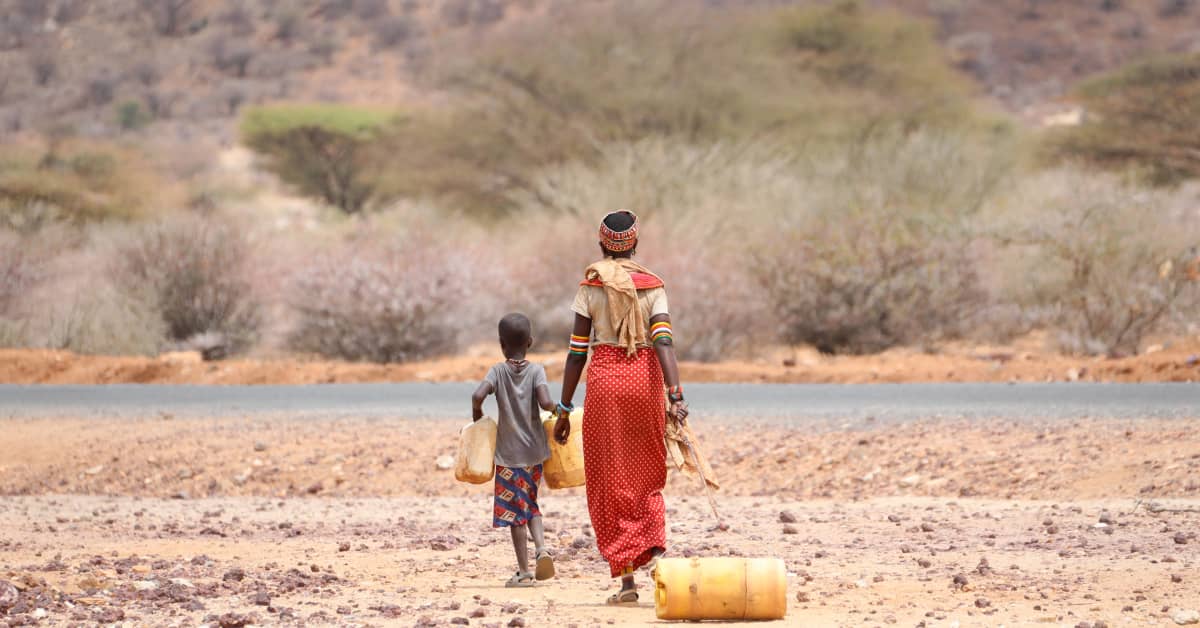
New York – A new report from UNICEF, The State of the World’s Children 2025, reveals a staggering 417 million children – roughly one in five – in low- and middle-income countries are deprived of at least two basic services critical for their health, progress, and well-being. The report, based on data from over 130 countries, assesses multidimensional poverty by examining gaps in education, health, housing, nutrition, sanitation, and water access.
UNICEF’s analysis indicates 118 million children face deficiencies in three or more of these areas, with a further 17 million lacking access to four or more. The crisis is notably acute in sub-Saharan Africa and South asia,where sanitation is the most prevalent deficiency; 65 percent of children in low-income countries lack access to toilet facilities.
The report warns that cuts to international aid could have devastating consequences, potentially leading to the deaths of 4.5 million children under the age of five by 2030. UNICEF estimates that reduced funding also puts six million children at risk of dropping out of school next year.
Beyond basic services, the report highlights the impact of income poverty, with over 19 percent of the world’s children – nearly 90 percent of whom reside in sub-Saharan africa and South Asia – living on less than $3 USD per day.
The crisis isn’t limited to developing nations. An analysis of 37 high-income countries reveals approximately 50 million children live in relative poverty,facing limited opportunities due to household income disparities.While overall child poverty decreased by 2.5 percent in these countries between 2013 and 2023,progress has stalled,and even reversed,in some areas. France, Switzerland, and Grate Britain saw poverty rates increase by over 20 percent during that period, while Slovenia experienced a decrease of over 25 percent, attributed to robust family benefit systems and minimum wage legislation.
