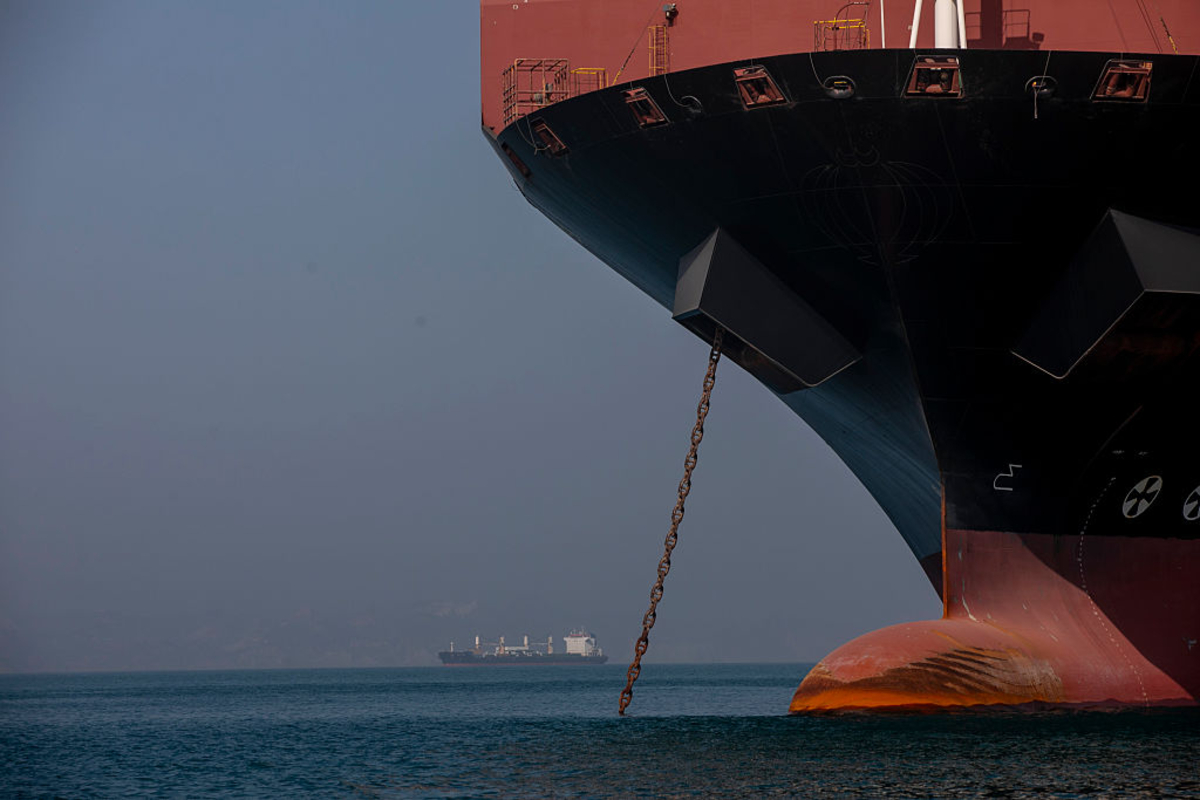
Red Sea Blockade Sparks Oil Price Surge
An insurance policy organized by global broker Gallagher covered one of two commercial tankers attacked by Houthi militants in the Red Sea last week, according to two people familiar with the matter speaking to City AM. The strike triggered a fire onboard the vessel and forced it to return to port, compounding a severe logistical crisis as maritime blockades restrict Saudi oil exports from reaching the Arabian Sea.
The Red Sea Escalation and Maritime Insurance Realities
The New York-listed brokerage Gallagher, recognized as one of the industry’s dominant “Big Five” maritime and cargo intermediaries, organized cover for the affected vessel. While Gallagher arranged the policy, sources confirmed the firm did not underwrite the risk directly, shielding the broker from a hefty direct payout. Despite the escalating danger, Gallagher maintains that it will continue to provide coverage for ships choosing to navigate high-risk zones like the Red Sea.
“Whether transit is safe is a decision is made by the master of the ship and associated parties,” a spokeswoman for Gallagher stated to City AM. “As a specialist marine insurance broker our role is to provide cover to ships looking to travel in the area and Gallagher is able to provide insurance for ships travelling in the red sea and other high risk areas.”
For ship operators and cargo owners attempting to maintain supply chains under volatile conditions, consulting specialized corporate insurance brokers and reviewing maritime policies is critical. Securing comprehensive coverage through an experienced [Commercial Insurance Broker] is now standard practice for navigating high-risk transit corridors.
Dual Blockades Constrict Middle Eastern Oil Flow
The Houthi missile strikes on Wednesday targeted two separate tankers attempting to bypass the escalating blockade in the Bab al-Mandab strait. Saudi state media confirmed that one of the vessels caught fire during the assault. This naval barricade compounds an already severe regional energy bottleneck caused by Iran.
For the past five months, the Iranian regime has maintained a strict blockade over the Strait of Hormuz, the vital Persian Gulf shipping lane that historically carried over a fifth of global oil and gas. With both the Strait of Hormuz and the Bab al-Mandab strait heavily compromised, Saudi Arabia faces unprecedented hurdles in moving crude to international markets.
James McCormick, research director at Cavendish, noted the severe implications of the dual blockades on petrostate infrastructure. Saudi Arabia had previously utilized a massive pipeline to divert oil exports from its east coast directly to the Red Sea, aiming to sidestep the Persian Gulf restrictions.
“The market is increasingly pricing a broader kind of logistic delivering supply shock,” McCormick told City AM. “At the moment this is keeping Brent vulnerable to sustained trading over $100 a barrel.”
Market Shocks and Global Trade Fallout
The persistent shipping blockades have triggered immediate turbulence in global commodities markets. Brent crude prices surged by as much as 16 percent between Monday and Thursday of this week, briefly peaking at $102 a barrel before cooling off slightly through Friday trading sessions.
As geopolitical tensions persist and maritime insurers re-evaluate risk parameters across Middle Eastern trade lanes, vessel operators must maintain strict vigilance.