
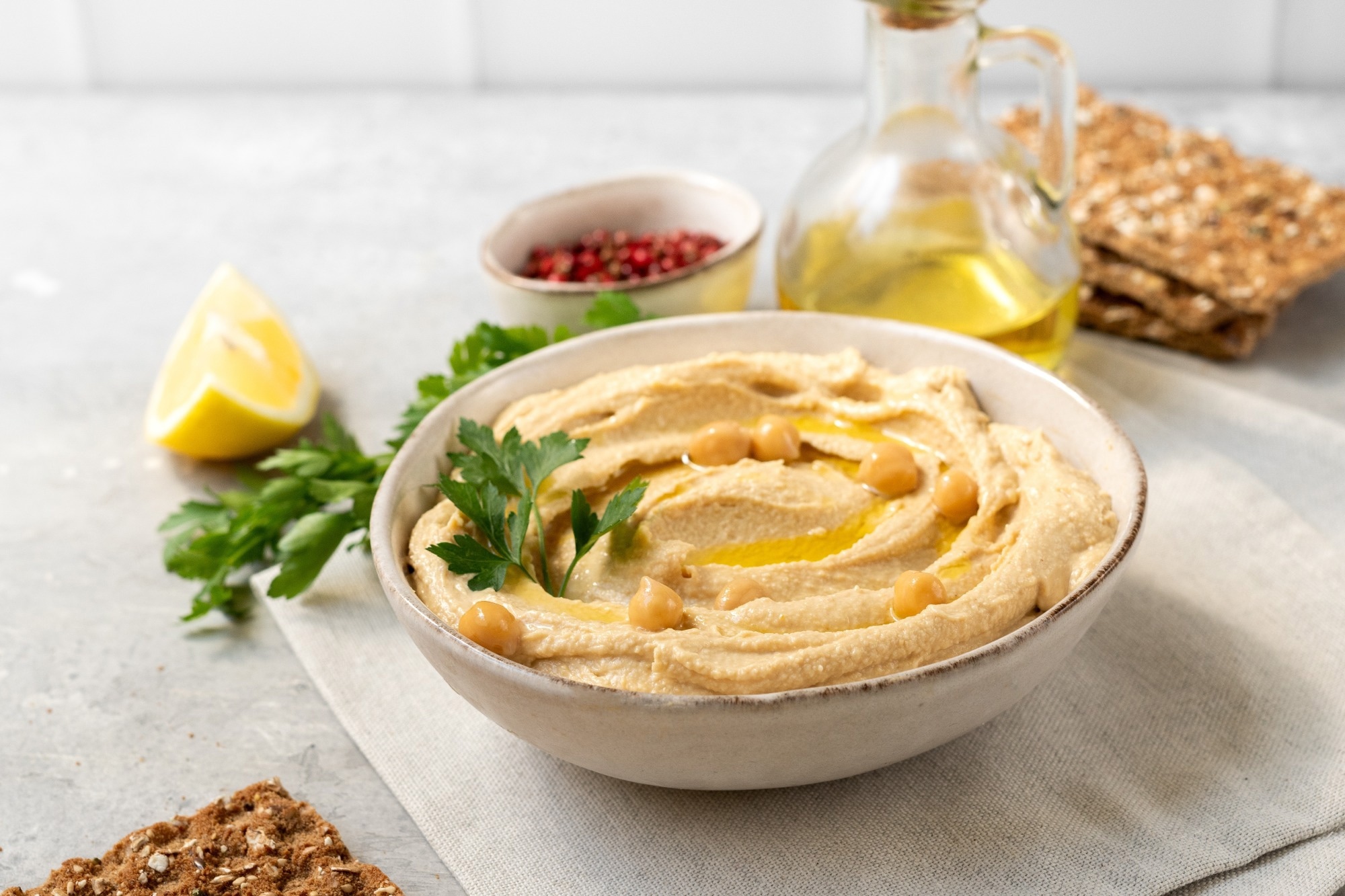
Lamb Hummus Boosts Nutrition, Flavor
Study Unveils Protein-Rich Dip for Flexitarians and Athletes
A novel meat-based hummus formulation, incorporating lamb and a food-safe antimicrobial, offers a significant nutritional upgrade and enhanced flavor profile compared to its traditional chickpea counterpart, according to new research.
Innovating a Classic Dip
Scientists have explored a unique twist on the beloved Middle Eastern dip by blending 50% cooked minced lamb with chickpeas. This meat-infused version, treated with sodium acid sulphate (SAS) as a preservative, was evaluated for its nutritional content, texture, and sensory appeal.
The innovation addresses several limitations of conventional hummus. Ready-to-eat hummus can be high in sodium, potentially contributing to blood pressure issues. It can also contain allergens like gluten and offer less bioavailable nutrients such as iron and B12, particularly crucial for certain demographics. Furthermore, hummus has faced food safety concerns, with outbreaks linked to pathogens like Salmonella and E. coli.
Nutritional Powerhouse
The study, published in the journal Foods, revealed that the lamb-hummus blend demonstrated notable nutritional advantages. It contained 66.6% more protein and a substantial 20% increase in total fat compared to traditional hummus. While the total iron content per serving remained similar, the lamb-based version offered more bioavailable heme iron, which is more readily absorbed by the body than the non-heme iron found in chickpeas.
This enhanced nutrient profile, particularly the protein and bioavailable iron, makes it a compelling option for individuals with higher nutritional demands. These include athletes focused on muscle recovery, young children, pregnant women, and the elderly, who often benefit from nutrient-dense foods.
Enhanced Preservation and Sensory Appeal
The inclusion of SAS, a recognized safe antimicrobial agent, proved effective in reducing microbial counts. By day seven of storage, the meat-based hummus showed significantly lower total plate counts than the traditional version, suggesting improved shelf stability.
Sensory evaluations also indicated a preference for the lamb-infused dip. While appearance and color were rated similarly, the meat-based hummus received higher scores for grain properties, flavor, creaminess, and mouthfeel. Researchers attribute these superior sensory attributes to the fatty acid composition and umami characteristics of the lamb.
Considerations for Consumers
It is important to note that the meat-based hummus also exhibited higher levels of cholesterol and saturated fat. Additionally, its sodium content saw a modest increase, partly due to the SAS additive and the intrinsic sodium in meat. Consumers monitoring these specific nutrients should be aware of these differences.
Despite these considerations, the study suggests that products combining meat and plant-based ingredients hold promise. As reported by the U.S. Department of Agriculture, lamb is a significant source of zinc and B vitamins, further underscoring the potential of such hybrid foods. For instance, a 3-ounce serving of cooked lamb contains over 70% of the daily recommended value for zinc.
Further research with larger consumer groups is planned to confirm the long-term stability and broad market appeal of this innovative meat-based hummus.
