
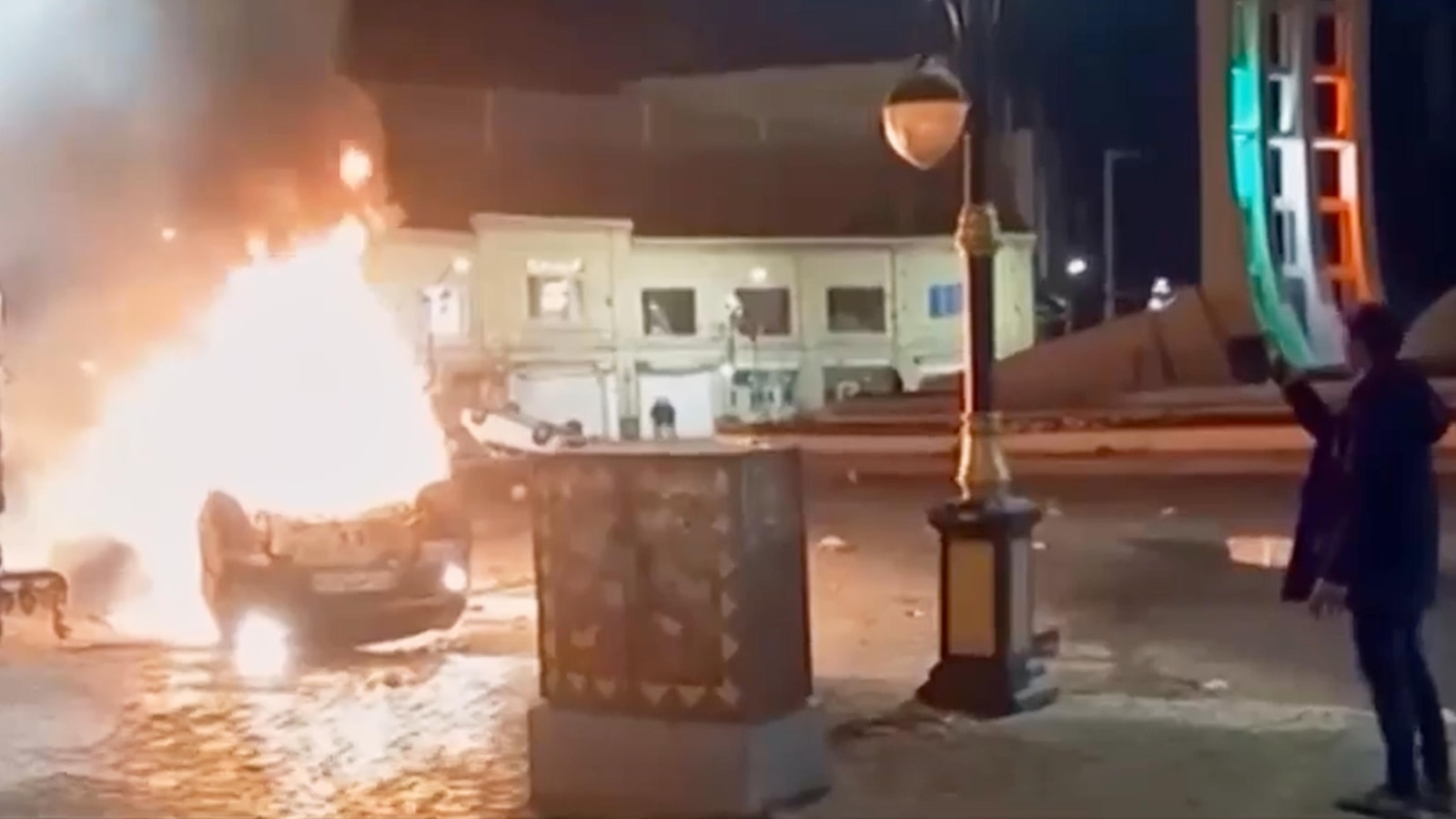
iran Protests Escalate: A Nation Gripped by Unrest and Economic Crisis
Dubai, United Arab Emirates – January 11, 2026 – Protests across Iran are entering their third week, marked by a growing death toll, widespread detentions, and a government response characterized by internet shutdowns and escalating force. what began as demonstrations over economic hardship has evolved into a direct challenge to the authority of the Islamic Republic, fueled by deep-seated discontent and a yearning for essential change.
The Spark: economic Woes and Currency Collapse
The initial catalyst for the protests was the dramatic collapse of the Iranian rial, which currently trades at over 1.4 million to $1 . This economic crisis is largely attributed to crippling international sanctions imposed on Iran, particularly those related to its nuclear program. These sanctions have severely restricted Iran’s oil exports, a crucial source of revenue, and contributed to soaring inflation and widespread unemployment. The economic pressure has disproportionately impacted ordinary Iranians, leading to a decline in living standards and a growing sense of desperation.
Escalation and Government Response
What began as localized protests quickly spread across the country, with demonstrators voicing broader grievances against the theocratic regime. Calls for regime change have become increasingly common, and protests have been reported in major cities including Tehran, Isfahan, and Qom.
In response, the Iranian government has implemented a harsh crackdown.Access to the internet has been severely restricted, and international telephone lines have been cut, making it difficult to verify information and hindering interaction with the outside world. Despite these measures, reports continue to emerge of ongoing demonstrations and clashes between protesters and security forces.
As of today, the U.S.-based Human Rights Activists News Agency reports at least 65 people have been killed and over 2,300 detained . Iranian state television acknowledges casualties among security forces but portrays a narrative of control and stability. Though,this account is directly contradicted by verified videos circulating online,such as footage from northern Tehran showing thousands of protesters chanting “Death to Khamenei!”
The Role of Key Figures and External Actors
Ayatollah Ali Khamenei,Iran’s Supreme leader,has signaled a firm stance against the protests,warning of a crackdown. This stance has drawn criticism from the United States, with Secretary of State Marco Rubio expressing support for the “brave people of Iran” and a warning against miscalculation .
Reza Pahlavi, the exiled son of the last Shah of Iran, has called for widespread protests and urged demonstrators to display the pre-1979 Iranian flag.His support, and reported support *from* Israel, has been controversial, drawing criticism from some who view it as foreign interference . It remains unclear whether support for Pahlavi represents a desire to restore the monarchy or simply a rejection of the current theocratic system.
Qatar’s Al Jazeera remains one of the few foreign news organizations able to report live from within Iran, providing a crucial window into the unfolding events.
Symbolism and Cultural Resonance
The protests have been marked by powerful symbolism. The repeated airing of “Epic of Khorramshahr,” a martial orchestral piece commemorating Iran’s victory in the Iran-Iraq war, by state television is a purposeful attempt to rally support and evoke nationalistic sentiment.However, this same song has also been used by protesters, notably in videos of women cutting their hair in protest of the 2022 death of Mahsa amini, highlighting the complex and contested nature of national symbols.
Underground Infrastructure and Military Response
Recent reports have revealed the existence of a vast “city of missiles” – a network of underground tunnels housing sophisticated missile systems . This advancement underscores Iran’s continued investment in its military capabilities and its willingness to project power in the region, even amidst internal unrest. The revolutionary Guard has been heavily involved in suppressing the protests, with reports of clashes and casualties on both sides. The Fars news agency released surveillance footage purportedly showing protesters engaging in violent acts in Isfahan, while state media reported deaths of Basij force members and security officials in various provinces.
Looking Ahead: A Nation at a Crossroads
The situation in Iran remains highly volatile. The government’s crackdown is likely to intensify, but the protests show no signs of abating. The economic crisis, coupled with widespread discontent and a desire for political change, creates a potent mix of instability. The coming days and weeks will be critical in determining the future of Iran. The outcome could range from a brutal suppression of the protests to a gradual transition towards a more open and accountable system. The international community will be closely watching, and the actions of key players like the United States, Israel, and regional powers will undoubtedly play a role in shaping the trajectory of events.
Key Takeaways:
- Protests in Iran, sparked by economic hardship, have escalated into a direct challenge to the Islamic Republic.
- the government has responded with a harsh crackdown, including internet shutdowns and the deployment of security forces.
- key figures like Ayatollah khamenei and Reza Pahlavi are playing meaningful roles in the unfolding events.
- The protests are marked by powerful symbolism and cultural resonance.
- Iran’s military capabilities and regional ambitions remain a key factor in the situation.
