How Central Asian Members Shape the Shanghai Cooperation Organisation
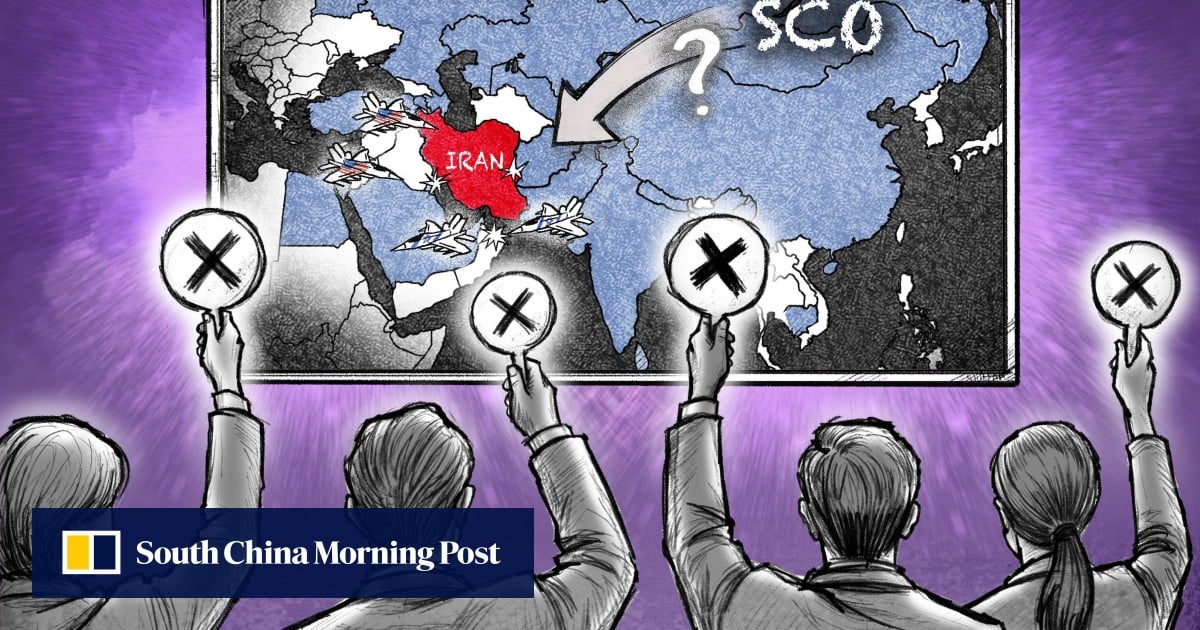
As of May 29, 2026, Iran’s full membership in the Shanghai Cooperation Organisation (SCO) continues to fuel speculation regarding a potential “Eastern NATO.” However, structural, historical, and geopolitical realities confirm the bloc remains a consultative forum focused on regional stability rather than a mutual defense pact, limiting its utility for Tehran.
The persistent mischaracterization of the SCO as a military alliance ignores the fundamental DNA of the organization. Born out of the “Shanghai Five” in 1996, the group was designed to resolve border disputes and manage regional security threats, specifically terrorism, separatism, and extremism. It is not an integrated military command. it is a diplomatic theater.
For Iran, joining the SCO was a strategic signal to the West—a move intended to break diplomatic isolation and signal an “alignment toward the East.” Yet, the reality on the ground is far more complex. The Central Asian states, which form the heart of the organization, have long practiced a policy of “multi-vector” diplomacy. They are as interested in courting European investment and American technical expertise as they are in engaging with Beijing or Moscow.
The Myth of Collective Security
NATO is defined by Article 5: an attack on one is an attack on all. The SCO has no such provision. In fact, the organization’s charter explicitly emphasizes non-interference in the internal affairs of member states. This is not a bug; it is the primary feature that makes the SCO palatable to its diverse membership.
The lack of a mutual defense mechanism creates a significant information gap for businesses and governments looking to navigate the region. Many multinational entities mistakenly believe that operating within an SCO member state provides a blanket security guarantee or a unified legal framework. It does not.
The SCO serves as a platform for dialogue, not a shield for military adventurism. For a state like Iran, looking for a security umbrella equivalent to NATO, the SCO will consistently fall short. The organization is fundamentally allergic to the kind of binding, high-stakes military integration that characterizes Western alliances.
This insight comes from Dr. Elena Volkov, a senior fellow at the Eurasian Institute for Strategic Studies, who notes that the bloc’s primary output is administrative cooperation, not kinetic deterrence. For those managing cross-border logistics or energy pipelines in the region, this lack of unified legal protection is a critical risk factor. Companies must instead rely on robust international arbitration law firms to manage the inevitable disputes that arise in such a fragmented regulatory environment.
Geopolitical Realities and Economic Friction
The economic reality of the SCO is equally disconnected from the “NATO-style” bloc narrative. While members participate in trade summits, the lack of a unified currency or a cohesive trade policy leaves individual states to navigate their own economic crises. As global markets fluctuate, the reliance on regional trade agreements often fails to offset the volatility of local currencies.
The following table illustrates the stark differences between the structural mandates of NATO and the SCO:
| Feature | NATO | SCO |
|---|---|---|
| Primary Mandate | Collective Defense (Article 5) | Consultative Security & Trade |
| Military Integration | High (Unified Command) | Minimal (Joint Exercises Only) |
| Membership Scope | Transatlantic/European | Eurasian/Central Asian |
| Ideological Alignment | Democratic/Liberal | Sovereigntist/Non-Interventionist |
For firms operating in these jurisdictions, the “non-interference” doctrine of the SCO means that local municipal laws remain the final word. When infrastructure projects or resource extraction ventures face sudden regulatory shifts, there is no “SCO court” to appeal to. Business leaders are increasingly turning to geopolitical risk management specialists to audit their exposure in Central Asia and Iran.
Navigating the Regulatory Void
The failure of the SCO to act as a cohesive bloc means that regional instability remains a primary concern for international investors. Whether it is a change in local labor laws or a sudden shift in import/export tariffs, the burden of compliance falls entirely on the individual enterprise.
When legal frameworks are opaque, the risk of asset seizure or contractual breach increases significantly. Securing reliable corporate compliance advisors is no longer a luxury; it is a prerequisite for entry into these markets. These experts bridge the gap between high-level diplomatic posturing and the harsh, granular reality of local commercial law.
The “Eastern NATO” narrative is a convenient shorthand for journalists and pundits, but it is a dangerous fallacy for those with capital at stake. The SCO is a forum for managed competition and limited cooperation, not a unified security state. As Iran continues to integrate into this framework, the limitations of the organization will become increasingly apparent to Tehran.
The real story is not about the creation of a new superpower alliance. It is about the continued fragmentation of the global order and the necessity for private actors to navigate that uncertainty without the protection of a unified international framework.
As the geopolitical climate shifts, the gap between strategic rhetoric and operational reality will only widen. For those tasked with protecting assets or steering cross-border operations, the reliance on outdated perceptions of regional blocs could prove catastrophic. In an era of shifting alliances and diplomatic ambiguity, the only true security is found in rigorous due diligence and expert legal counsel. If your organization is operating within these complex jurisdictions, now is the time to consult with specialized international trade counsel to ensure your operations are shielded from the volatility that diplomacy alone cannot solve.