
Harvard Guide to Gut Health: Essential Habits and Warning Signs
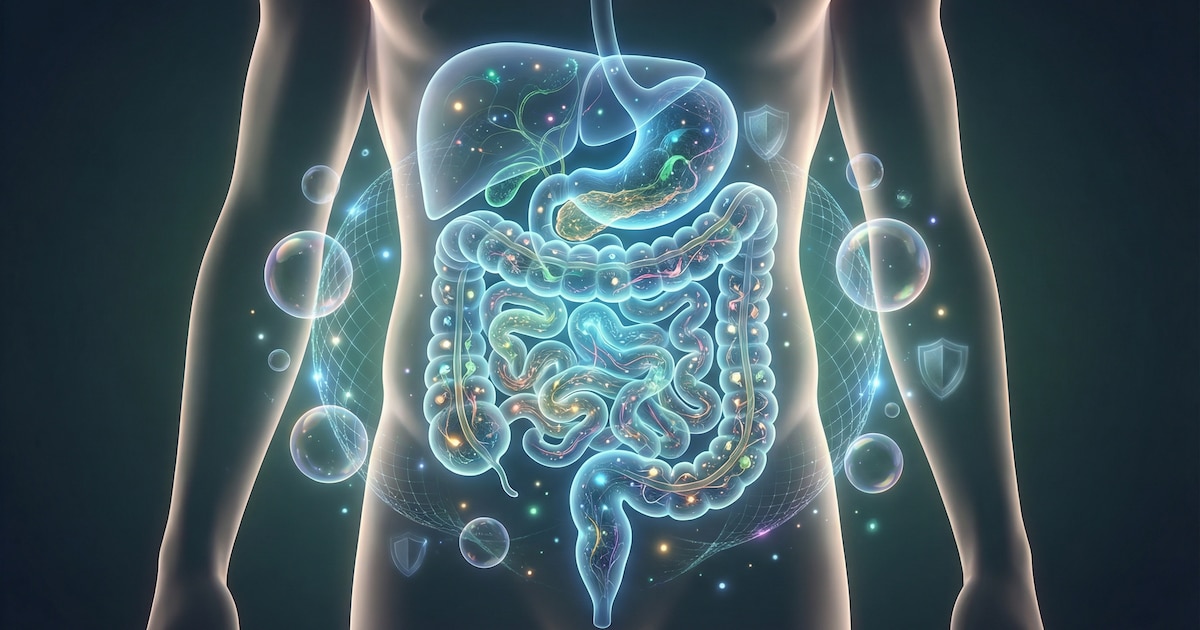
The human gastrointestinal tract is no longer viewed as a mere digestive conduit, but as a sophisticated signaling hub that mirrors the health of the central nervous system. Emerging clinical evidence suggests that bowel habits and intestinal integrity serve as critical biomarkers for systemic pathologies, including neurodegenerative diseases and oncological developments.
Key Clinical Takeaways:
- Intestinal motility and stool patterns may provide early diagnostic clues for Parkinson’s disease (PD) and certain cancer risks.
- Recent meta-analyses reveal a complex, sometimes inverse, association between PD and cancer, influenced by genetics (LRRK2), gender and ethnicity.
- Targeted lifestyle modifications and microbiome optimization are essential for mitigating the risk of systemic inflammation and neurodegeneration.
The conceptualization of the gut as a “second brain” is rooted in the enteric nervous system’s ability to operate independently of the cranial nerves while maintaining a constant bidirectional dialogue with the brain. When this axis is disrupted, the resulting dysbiosis or motility dysfunction often precedes the onset of overt clinical symptoms. For patients noticing persistent changes in bowel regularity or stool consistency, these are not merely digestive inconveniences but potential indicators of underlying systemic stress. Addressing these shifts requires a multidisciplinary approach, starting with a consultation with board-certified gastroenterologists to rule out localized pathology before exploring systemic connections.
The Parkinson’s-Cancer Nexus: A Shifting Epidemiological Landscape
The relationship between Parkinson’s disease and cancer has long been a subject of clinical debate, characterized by conflicting data. Historically, epidemiological studies suggested a general inverse association, implying that the risk of cancer development might be lower in patients with PD. However, the clinical narrative is evolving. Research indicates that this association is not monolithic and varies significantly across different ethnic groups and temporal analyses.

A pivotal systematic review and meta-analysis published in Aging (Albany NY) on March 5, 2022, underscores the complexity of this link. The study, authored by Joon Yan Selene Lee, Eng-King Tan, and colleagues from the Duke-NUS Medical School and the National Neuroscience Institute in Singapore, explored how gender, genetic variants, and lifestyle habits influence cancer risk in PD patients. A key focus of this research was the role of the LRRK2 genetic variant, a known factor in the pathogenesis of Parkinson’s, and its potential intersection with oncological susceptibility.
The evidence suggests that the association between Parkinson’s disease and cancer is not a simple binary, but a nuanced interaction influenced by genetic markers and demographic variables.
This evolving understanding is further supported by the operate of Dr. Xiqun Chen at Massachusetts General Hospital. Dr. Chen has established a dedicated research program focusing on Parkinson’s-cancer associations to better understand the disease’s progression through multidisciplinary collaborations. The goal is to identify whether specific intestinal markers or systemic inflammatory responses can predict the onset of either condition, effectively turning the gut into a diagnostic window for the brain.
Pathogenesis and the Role of the Intestinal Microbiome
The pathogenesis of Parkinson’s disease is increasingly linked to the “gut-first” hypothesis, which posits that alpha-synuclein aggregates may originate in the enteric nervous system before migrating to the brain via the vagus nerve. This process is often accompanied by chronic constipation and altered gut permeability. When the intestinal barrier is compromised, systemic inflammation increases, potentially creating a pro-carcinogenic environment or, conversely, interacting with the body’s immune surveillance in ways that alter cancer risk.
Maintaining intestinal homeostasis is therefore a primary preventative strategy. Experts from Harvard have emphasized specific lifestyle habits to transform gut health, focusing on the reduction of processed triggers and the enhancement of microbial diversity. These interventions aim to stabilize the gut-brain axis and reduce the morbidity associated with chronic neuroinflammation. As these dietary and lifestyle shifts can be complex to implement—especially for patients with existing comorbidities—it is often necessary to engage clinical nutritionists specializing in gut-brain health to create sustainable, evidence-based protocols.
Clinical Triage: From Bowel Habits to Systemic Screening
Identifying “normal” versus “alert” bowel habits is the first step in clinical triage. While occasional irregularity is common, persistent changes in frequency, color, or consistency can signify a shift in the systemic environment. In the context of the PD-cancer link, these symptoms should not be viewed in isolation. The integration of longitudinal data, such as that found in PMC8954974 and PubMed 34215604, suggests that the intersection of ethnicity and lifestyle further modulates these risks.
For individuals with a family history of neurodegenerative disorders or those experiencing early-onset gastrointestinal dysfunction, proactive screening is imperative. This involves not only endoscopic evaluation but also neurological baseline assessments. Patients are encouraged to utilize advanced diagnostic centers that offer integrated screening for both gastrointestinal and neurological markers, ensuring that early warning signs are not missed due to fragmented care.
The Future of Biomarker-Based Diagnostics
The trajectory of current research points toward a future where a simple stool analysis or a microbiome profile could predict a patient’s risk for Parkinson’s or specific malignancies years before traditional symptoms appear. By mapping the “plot” of the PD-cancer association, researchers like those at Harvard and the National Neuroscience Institute are moving toward a model of precision medicine where the gut serves as the primary sentinel for systemic health.
As we refine our understanding of the LRRK2 variant and other genetic markers, the focus will shift from reactive treatment to proactive modulation. The integration of gastroenterological health and neurological monitoring represents the next frontier in preventative medicine. To navigate this complex landscape, patients should seek out specialized neurologists who are conversant in the latest gut-brain axis research to ensure a comprehensive and forward-looking care plan.
Disclaimer: The information provided in this article is for educational and scientific communication purposes only and does not constitute medical advice. Always consult with a qualified healthcare provider regarding any medical condition, diagnosis, or treatment plan.