Economists Warn Fed Against Raising Interest Rates Amid Economic Vulnerability Concerns
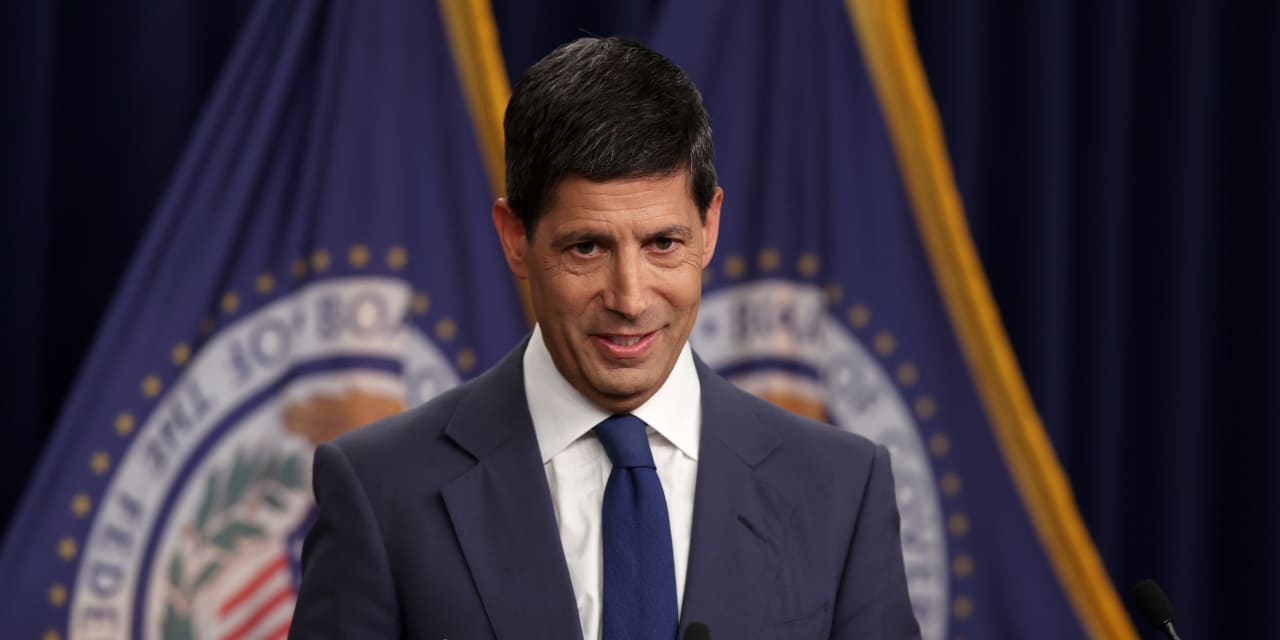
As the Federal Reserve prepares for its monetary policy decision on September 15, 2026, financial markets price in a 92% probability of an interest rate hike led by Chairman Kevin Warsh. However, prominent economists warn that tightening monetary policy amid underlying economic vulnerabilities could trigger a sharp growth slowdown, corporate layoffs, and an inadvertent recession.
Market Sentiment Diverges From Economic Realities
Traders on Wall Street and observers in Washington anticipate that central bank officials will raise borrowing costs to cool persistent inflation pressures. This hawkish shift marks a dramatic acceleration from early September, when investors estimated just a 50% likelihood of a rate increase. Rising diesel prices, escalating geopolitical tensions in the Middle East, and a hotter-than-expected consumer inflation report have shifted consensus expectations toward immediate action.
Mark Zandi, chief economist at Moody’s Analytics, cautioned in a public statement on X that the probability of a serious policy mistake is uncomfortably high and still climbing. Zandi emphasized that engineering an economic slowdown without sparking a self-reinforcing negative cycle of rising unemployment remains a historical challenge for policymakers.
Contradictory Signals in Inflation and Consumer Spending
Federal Reserve officials gather behind closed doors on Tuesday and Wednesday to review incoming data before announcing their rate decision at 2:00 p.m. Eastern time on Wednesday, followed by a press conference hosted by Kevin Warsh at 2:30 p.m. Carl Tannenbaum, chief economist at Northern Trust, noted in a client communication that the economic foundation is less sturdy than headline figures suggest. Lower-income households continue depleting accumulated savings to match inflationary expenses, indicating that the expansion harbors hidden structural cracks.
Steve Englander, global head of G10 FX Research, characterized an imminent rate hike as premature given conflicting crosscurrents across inflation datasets. Englander noted that a preferable strategy involves maintaining the current benchmark rate until contradictory signals dissipate. Reversing course within months after an unnecessary rate increase would project an unsteady hand on monetary policy levers.
Meanwhile, Michael Strain, director of economic policy studies at the American Enterprise Institute, argued that market pricing overstates the likelihood of a hike. Strain observed that stripping out energy prices and tariffs places underlying inflation near 2.5%, hovering just slightly above the central bank’s explicit 2% target.
Assessing Divergent Economic Forecasts
Michael Pearce, chief U.S. economist at Oxford Economics, maintained a baseline forecast that officials will leave rates on hold during the September meeting.
