
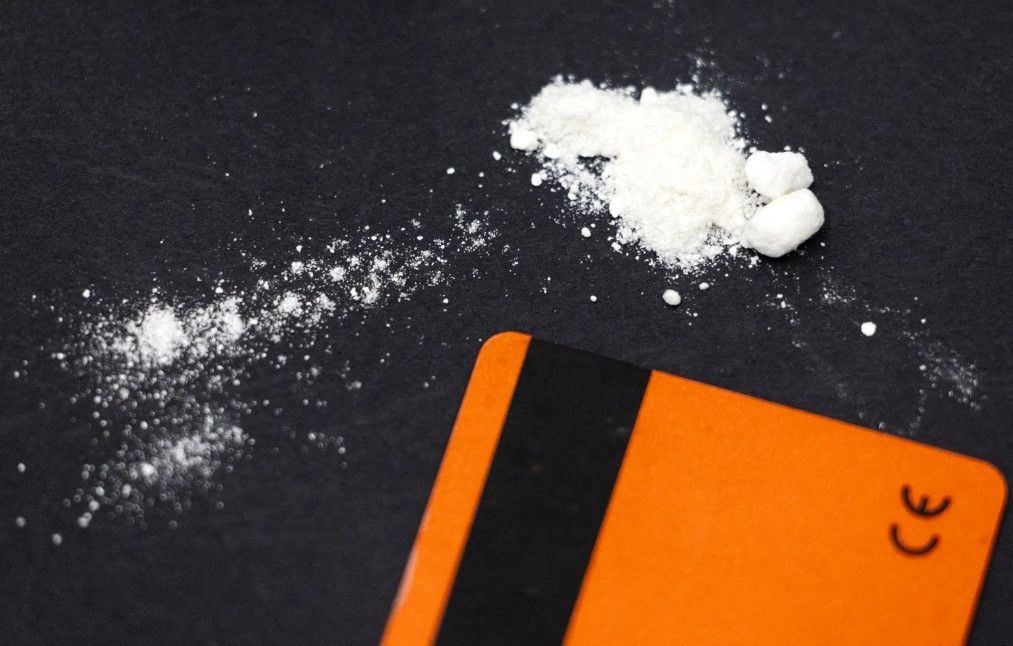
Cocaine Floods Europe as Prices Drop, Trafficking Networks Expand & Innovate
Paris, France – A new report reveals a surge in cocaine availability across Europe, marked by a critically important drop in street prices despite record seizures. The Office Français Anti-Stupéfiants (OFAST) data indicates a paradoxical trend: as authorities confiscate unprecedented amounts of the drug – a record 58 tons in the last year alone, more than double the 23 tons seized in 2023 – the price per gram has fallen from €70 to €58 over the past five years. This increase in supply is directly linked to escalating production in South and Central America.
The Expanding Cocaine Pipeline
The report highlights a dramatic increase in cocaine production in key source countries. Colombia alone produced an estimated 2,700 tonnes of cocaine in 2023, a 50% jump from the previous year. Beyond Colombia, production is rapidly expanding in neighboring countries previously considered minor players in the trade, including Mexico, Venezuela, Guatemala, Honduras, and El Salvador. This diversification of supply routes is fueling the influx of cocaine into Europe, with France serving as a major entry point.This surge in supply is enabling a massive and increasingly sophisticated trafficking network. OFAST estimates over 240,000 people are involved in the drug trade within France, generating an estimated €7 billion in annual revenue. The report reveals a hierarchical structure,with “less than ten organizations” controlling the vast majority of cocaine imports,relying on a network of approximately 5,000 semi-large operators and a multitude of lower-level distributors.
Escalating Violence & Innovative Tactics
The expansion of the drug trade is directly correlated with a rise in violence. Authorities identified 367 assassinations or attempted assassinations linked to trafficking disputes across 173 French cities in 2024.
Traffickers are also adapting to increased law enforcement pressure. While police efforts to dismantle physical drug dealing locations have seen success – reducing the number of identified “deal points” from 4,034 in 2020 to 2,729 projected for 2025 – traffickers are rapidly adopting new methods.
These include:
Digitalization: Utilizing online platforms and tools to maintain customer relationships and recruit new members.
“Airbnbeuh”: short-term rentals of apartments used as temporary drug sales locations.
Key Boxes: facilitating contactless transactions through secure key storage.
Community engagement (and Intimidation): Some trafficking groups are attempting to normalize their presence by offering services to local communities,such as paying for school supplies or performing minor repairs,in exchange for tolerance of their activities. examples include brazen displays of power,like the DZ Mafia in Marseille issuing a video denying involvement in a murder,and a group in Bagnols-sur-Cèze offering community services.
Shifting Marijuana Sources
The report also notes a change in the origins of marijuana entering Europe, driven by legalization trends in certain countries. Investigators are increasingly intercepting shipments originating from Thailand and Canada.
This report underscores the evolving nature of the European drug trade, highlighting the need for continued international cooperation and innovative law enforcement strategies to combat the growing threat posed by increasingly sophisticated and violent trafficking organizations.
