
The Impact of New Car Pricing & Brand Reputation on Used EV & Chinese Car Values
This article discusses the dynamics of used car depreciation, notably focusing on the impact of Tesla‘s pricing strategies, the rise of Chinese EV brands, and the importance of established brand reputation. Here’s a breakdown of the key takeaways:
1. New Car Pricing Directly Impacts Used Car Values:
* Tesla Effect: Discounts on new Teslas immediately translate to lower prices for used Teslas, forcing sellers to adjust. This contributes to faster depreciation for US EVs generally.
* Supply & Demand: Long delivery times for new cars drive buyers to the used market, increasing demand and potentially mitigating depreciation. This was particularly evident during the COVID-19 pandemic.
2.Residual Value is Built on Reputation:
* Key Factors: A car’s residual value (how much it’s worth after a period of ownership) is heavily influenced by its reliability, ease of repair, and practicality.
* Market Perception: Popularity in the used car market is crucial. A strong “legend” around a model (positive reputation) supports higher resale values.
3. Chinese Cars Face an Uphill Battle:
* Uncertainty & Depreciation: Chinese manufacturers, particularly MG, currently struggle with residual value due to uncertainty surrounding these key reputation factors. MG, on average, loses over 21% of its value in the first year.
* Comparative Losses: European brands like ford, Renault, and Peugeot see depreciation around 15%, Skoda around 13%, and suzuki (popular with private buyers) less than 3%.
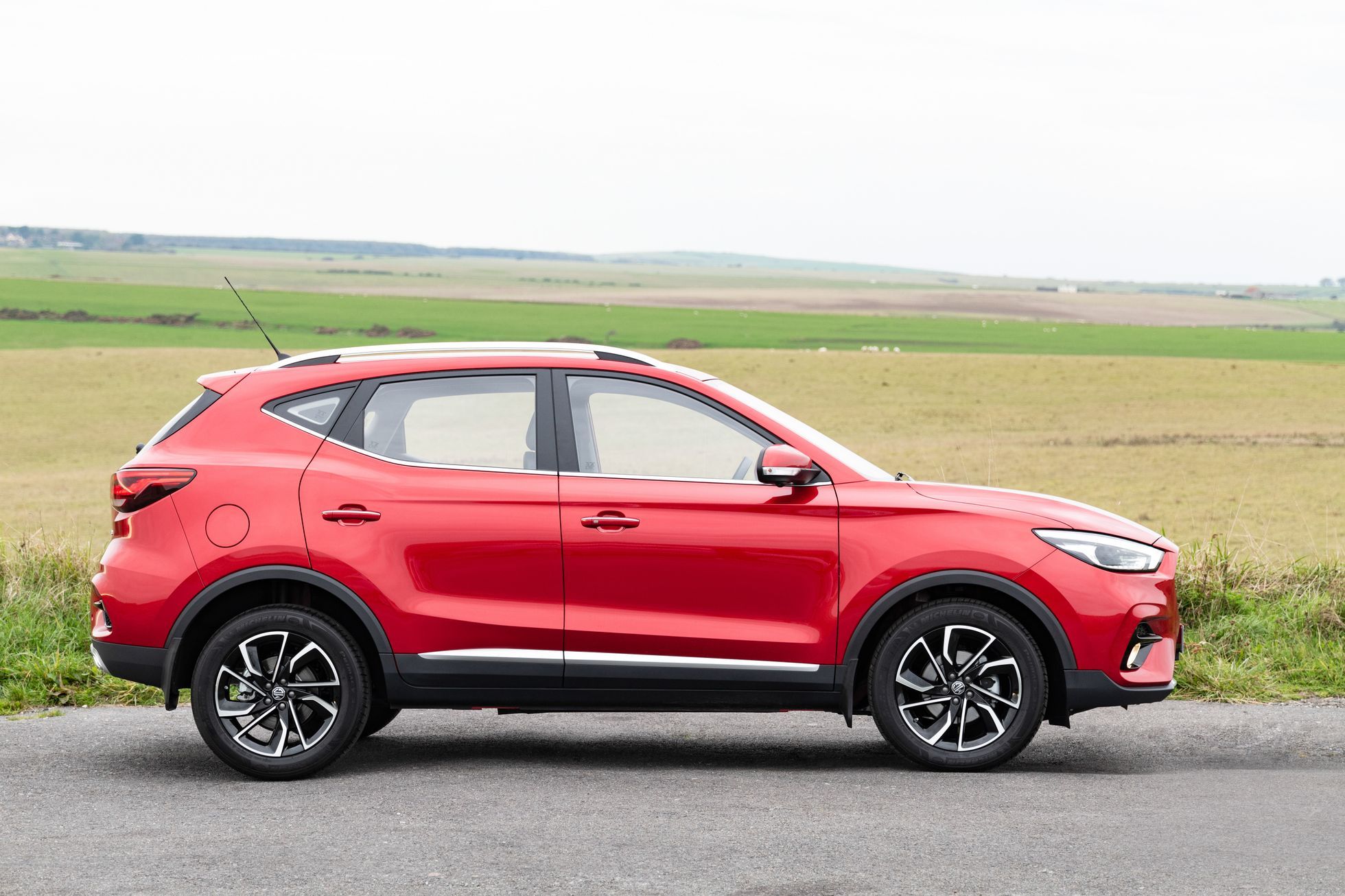
* Model Specifics: The MG ZS (small SUV) depreciates substantially (32.6%) compared to rivals like the Renault Captur (20%), Škoda Kamiq (7.9%), and Suzuki S-Cross (0.5%).
4. Exceptions & Nuances:
* MG HS anomaly: The larger MG HS performs surprisingly well, losing only 5.3% of its value – comparable to the Dacia Duster. This is potentially linked to previous sales tactics (selling out pre-modernization models at discounted prices).
* New Entrants: Brands like Jaecoo and Omoda (under the Chery concern) are too new to have established a reliable depreciation trend.
* Introductory Pricing: Initial favorable pricing from importers could mitigate future depreciation, especially as prices have since increased.
5.The Waiting Game for Chinese brands:
* Reputation building: The used car market is waiting for Chinese cars to prove their reliability and service availability.
* Current Reality: Low initial purchase prices currently lead to more notable depreciation.
* Established Brands Remain Attractive: For now, established brands frequently enough offer a more favorable overall value proposition, even those like Dacia that aren’t necessarily premium.
In essence, the article highlights that while price is a factor, brand reputation and perceived reliability are paramount in determining a car’s long-term value, and Chinese manufacturers are currently playing catch-up in this regard.
