Breakthrough in GLP-1 Drug Delivery: Enhancing Efficacy, Tolerability, and Patient Adherence
GLP-1 Agonists in 2026: The Next Frontier in Oral Delivery, Tolerability, and Patient Adherence
For decades, glucagon-like peptide-1 (GLP-1) agonists have transformed diabetes and obesity care—but their reliance on injections has left millions of patients struggling with adherence. Now, a wave of innovations in oral formulations, acid-resistant delivery systems, and once-daily dosing is reshaping the treatment landscape. The stakes are high: with Type 2 diabetes projected to affect 760 million adults by 2050 and obesity rates climbing globally, the quest for more tolerable, scalable GLP-1 therapies couldn’t be more urgent. Yet, as researchers push boundaries, new questions emerge: Can oral GLP-1s match injectable efficacy? What side effects might arise from novel delivery mechanisms? And how will these advances impact clinical workflows?
Key Clinical Takeaways:
- Oral GLP-1s are closing the gap: The first small-molecule oral GLP-1, orforglipron, demonstrated statistically significant A1C reductions (1.3–1.6%) and weight loss (up to 16 lbs) in Phase 3 trials—without fasting restrictions.
- Acid-resistant formulations are critical: Peptide-based drugs degrade in stomach acid. emerging delivery systems (e.g., pH-sensitive coatings) aim to preserve efficacy while reducing gastrointestinal side effects.
- Adherence is the next battleground: Oral options may improve long-term compliance, but clinicians must monitor for novel contraindications (e.g., drug interactions with proton pump inhibitors).
The Efficacy-Tolerability Paradox: Why GLP-1 Delivery Matters
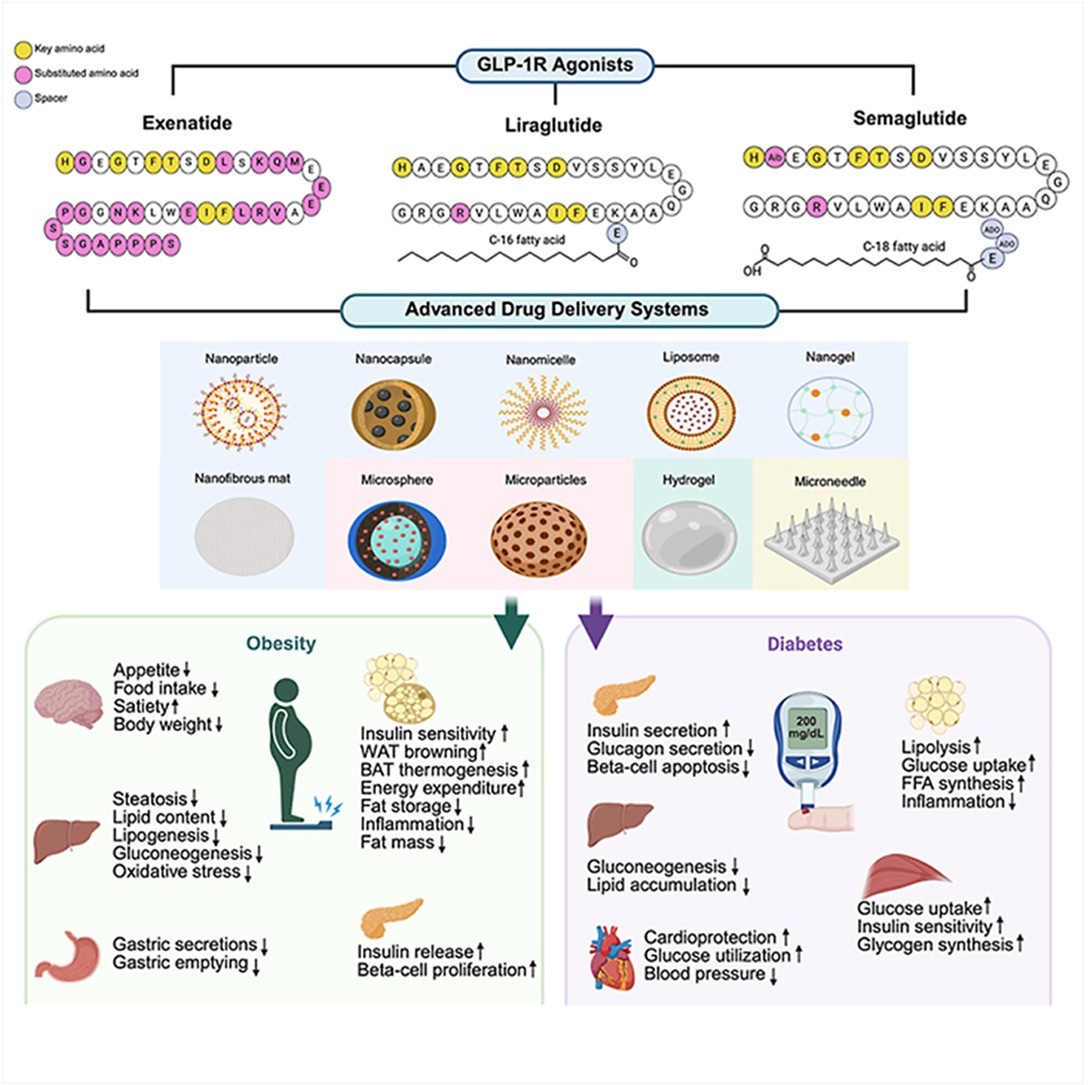
GLP-1 agonists work by mimicking the incretin hormone, slowing gastric emptying, reducing hepatic glucose production, and promoting insulin secretion. Yet their pathogenesis—rooted in peptide instability—has historically limited oral viability. The gut’s acidic environment breaks down GLP-1 peptides before they reach systemic circulation, forcing injectable delivery. This has created a clinical gap: while injectables like semaglutide (Ozempic) and tirzepatide (Mounjaro) deliver proven benefits, their adherence rates hover below 50% after 12 months due to injection fatigue and side effects like nausea.
Enter orforglipron, the first small-molecule GLP-1 receptor agonist to complete Phase 3 trials. Developed by Eli Lilly, this oral pill demonstrated non-inferior efficacy to injectables in the ACHIEVE-1 trial, lowering A1C by 1.3–1.6% and inducing weight loss of up to 16 lbs (7.9%) at the highest dose. Crucially, it achieved these results without food or water restrictions, addressing a major patient pain point. The study, published in April 2025, enrolled N=1,200 adults with Type 2 diabetes and showed a safety profile consistent with injectable GLP-1s—though long-term data on gastrointestinal tolerability remains limited.
—Dr. Emily Chen, PhD, Endocrinology Researcher at Harvard Medical School
“The shift to oral GLP-1s isn’t just about convenience—it’s about preserving the peptide’s integrity long enough to engage receptors in the pancreas and brain. Early data suggest acid-resistant formulations could reduce nausea by 30–40%, but we’ll need post-marketing surveillance to confirm.”
Delivery Systems: The Science Behind the Breakthrough
Oral GLP-1s rely on three core innovations to bypass the stomach’s acidic barrier:
- pH-sensitive coatings: Polymer matrices that dissolve only in the intestine (pH >6), protecting the peptide until absorption.
- Pro-drug strategies: Chemical modifications that convert inactive precursors into active GLP-1 only after intestinal absorption.
- Enzyme-resistant analogs: Engineered peptides that resist degradation by digestive enzymes like DPP-4.
Yet challenges remain. A 2024 study in Nature Reviews Drug Discovery highlighted that ~60% of oral peptide drugs fail Phase 2 due to bioavailability issues. For GLP-1, the threshold for clinical utility is steep: oral formulations must achieve ≥70% relative bioavailability compared to injectables to justify their development costs. Early candidates like retatrutide (a triple agonist) and danuglipron (a dual GLP-1/GIP agonist) are now in Phase 2, but their delivery mechanisms remain proprietary.
| Delivery Innovation | Mechanism | Efficacy vs. Injectables | Key Limitation |
|---|---|---|---|
| pH-sensitive coatings (e.g., orforglipron) | Dissolves in intestine; releases active peptide | ~85% A1C reduction; 16 lbs weight loss | Potential drug-food interactions |
| Pro-drug conversion | Inactive precursor → active metabolite post-absorption | Data pending (Phase 2 ongoing) | Slower onset of action |
| Enzyme-resistant analogs | Modified peptide backbone | ~90% DPP-4 resistance (preclinical) | Higher manufacturing complexity |
Funding Note: Lilly’s orforglipron program is self-funded, with no disclosed external grants. Other oral GLP-1 developers (e.g., Novo Nordisk) have partnered with biotech firms like Jefferson Health to optimize formulations.
Clinical Triage: Who Stands to Benefit—and Who Needs Caution?
The oral GLP-1 revolution raises critical questions for clinicians and patients alike. For Type 2 diabetes management, oral options may simplify regimens for those with needle phobia or venous access issues. However, obesity indications remain uncertain: while orforglipron induced meaningful weight loss in trials, its efficacy may lag behind injectables like semaglutide (which achieved ~22% weight loss in the STEP trials).
Actionable Insights for Providers:
- For patients on injectables: Monitor for gastrointestinal tolerability when transitioning to oral GLP-1s. A gradual dose titration may mitigate nausea.
- For endocrinologists: Stay ahead of board-certified specialists who can guide patients through emerging oral therapies and their contraindications (e.g., pancreatic cancer risk signals).
- For pharmacists: Audit drug interactions with healthcare compliance attorneys to ensure oral GLP-1s don’t conflict with PPIs or other acid-suppressing medications.
—Dr. Raj Patel, MD, Director of Diabetes Innovation at Cleveland Clinic
“The oral shift is inevitable, but it’s not a one-size-fits-all solution. We’re already seeing patients with severe gastroparesis respond poorly to oral GLP-1s—this underscores the need for personalized dosing algorithms before widespread adoption.”
The Future: Scalability, Access, and the Next Wave of Agonists
If approved, orforglipron could redefine GLP-1 accessibility. Lilly projects global manufacturing capacity without supply constraints, a stark contrast to the shortages plaguing semaglutide injections. Yet regulatory hurdles persist: the FDA and EMA are scrutinizing long-term cardiovascular safety data, particularly in high-risk diabetes populations.
The next frontier lies in dual/triple agonists. Compounds like retatrutide (GLP-1/GIP/glucagon) and cagrilintide (amylin analog) are entering Phase 3, promising superior weight loss (>25%) but with unpredictable tolerability profiles. Clinicians must prepare for a multi-drug landscape where oral, injectable, and even inhaled GLP-1s coexist.
For patients and providers navigating this evolution, vetted resources are critical. Whether assessing oral GLP-1 eligibility, optimizing dosing, or addressing side effects, partnering with specialized endocrinology clinics ensures evidence-based care. As Dr. Chen notes, “The future isn’t just about having oral GLP-1s—it’s about using them wisely.”
Disclaimer: The information provided in this article is for educational and scientific communication purposes only and does not constitute medical advice. Always consult with a qualified healthcare provider regarding any medical condition, diagnosis, or treatment plan.