4 Standing Exercises to Flatten Your Apron Belly Faster Than Gym Sessions After 60
Clinical evidence suggests that while spot reduction is not physiologically possible, the combination of resistance training and metabolic demand creates a systemic environment conducive to fat oxidation and muscle preservation. A structured, standing-based circuit designed for older adults can provide the mechanical load necessary to stimulate metabolic adaptation without the high impact or floor-based logistics associated with traditional gym routines.
- Metabolic demand is the primary driver of body composition changes; standing circuits maximize caloric expenditure through full-body recruitment.
According to research published in Molecular Nutrition & Food Research, lifestyle-intervention-induced reductions in abdominal fat are strongly correlated with improved lipid profiles, specifically increased HDL diameter and decreased circulating glycerol levels. This study highlights the necessity of movement-based interventions that target systemic metabolic health rather than localized abdominal muscles alone.
The following circuit serves as a foundational protocol for those seeking to increase lean tissue mass while managing adipose stores. By utilizing movements such as the dumbbell squat-to-press and medicine ball slams, practitioners engage the posterior chain and core musculature simultaneously.
Mechanical Load and Metabolic Efficiency
The efficacy of standing exercises lies in their ability to maintain elevated heart rates while requiring core stabilization throughout the range of motion. When this is coupled with loaded movements, the training effect is amplified.
The Four-Move Standing Protocol
The exercises include:
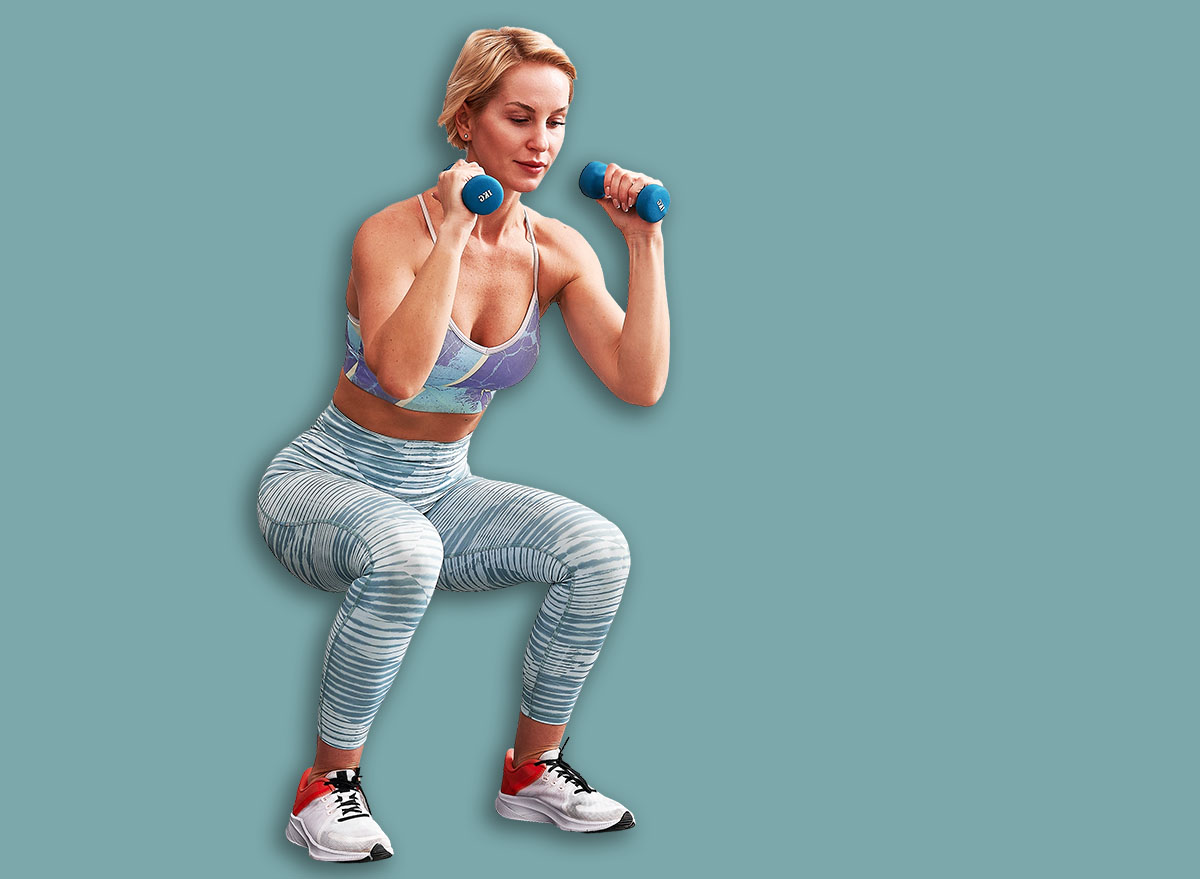
- Dumbbell Squat to Press: Targets the quadriceps, glutes, and shoulders.
- Medicine Ball Slam Intervals: Engages the lats, upper back, and core.
- Reverse Lunge to Knee Drive: Enhances balance and unilateral stability. This movement forces the core to organize the torso during the transition from the lunge to the upright knee drive, effectively training the hip flexors and stabilizers.
- Squat Jumps: Provides a high-intensity stimulus to increase systemic metabolic demand. For those with contraindications such as osteoarthritis or joint instability, low-impact variations like the squat-to-calf-raise are recommended to achieve similar muscular activation without joint stress.
Clinical Triage and Long-Term Sustainability
The integration of these exercises into a weekly schedule should be progressive. Starting with two rounds of the circuit allows the body to adapt to the metabolic load. As strength increases, the duration and intensity of the intervals can be adjusted to maintain the training effect. By prioritizing consistent movement and resistance-based load, older adults can effectively support a leaner midsection and improve long-term physiological resilience.