
Radon Exposure Linked to Increased Alzheimer’s Risk, Utah Health Officials Urge Testing
SALT LAKE CITY – New research is highlighting a potential link between long-term radon exposure and an increased risk of Alzheimer’s disease, prompting Utah health officials to encourage residents to test thier homes for the naturally occurring, invisible gas. While not a direct cause, radon is now recognized as a preventable environmental risk factor for the debilitating neurological condition.
Alzheimer’s disease affects an estimated 76,000 Utahns,a number projected to rise as the state’s population ages. Because radon exposure is preventable, Utah residents have an chance to reduce one potential environmental risk factor.Many homeowners are unaware of radon levels in their homes, as the gas is odorless and colorless.
Radon is created by the breakdown of uranium in soil, rock, and water. It can seep into homes through cracks in foundations and other openings. Because radon has no symptoms and no noticeable signs, homes with elevated levels often appear completely normal.
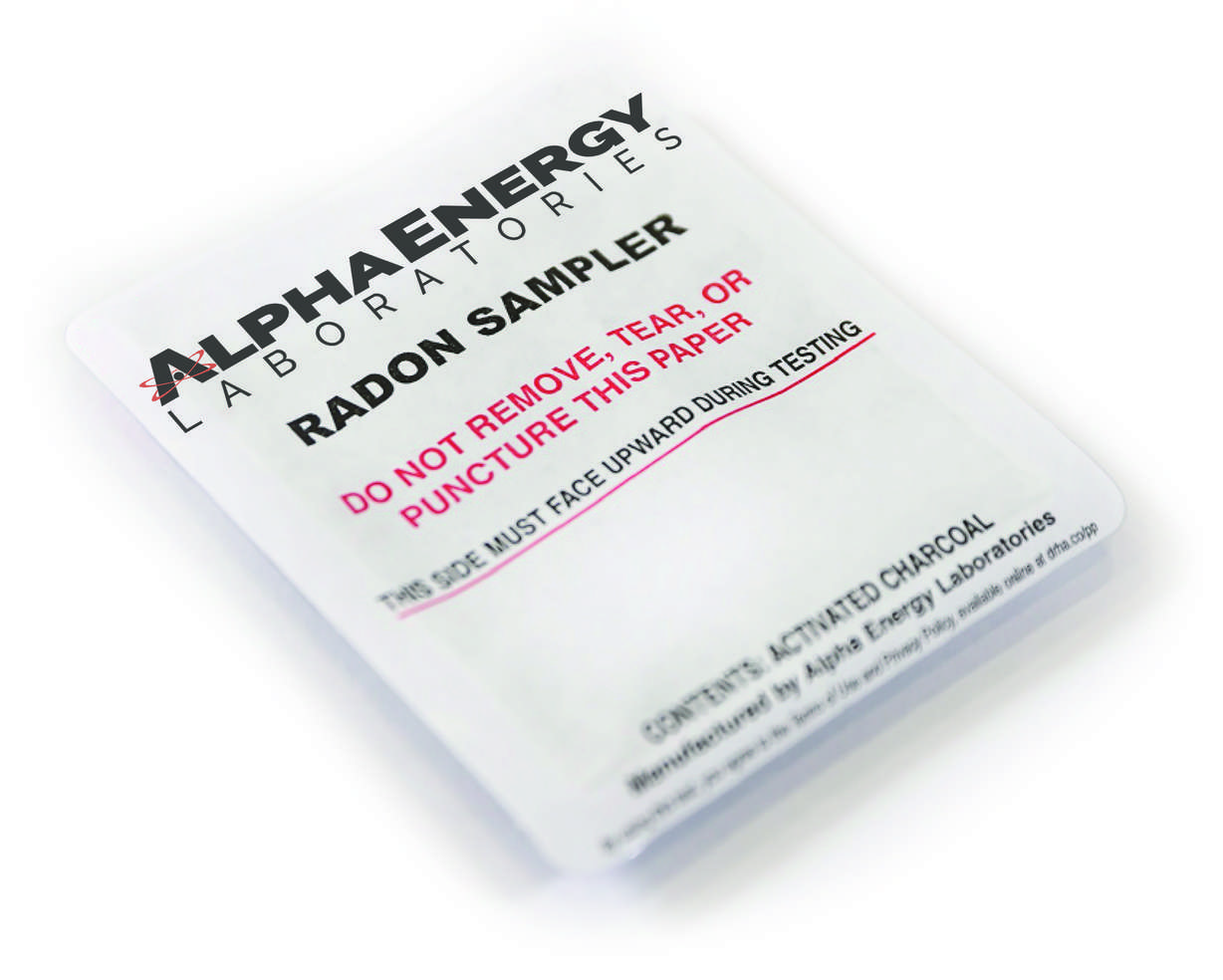
Testing is simple and free for all Utah residents. Families can order a test kit from UtahRadon.org. The test takes only a few minutes to place in the home and is then mailed to a certified third-party laboratory for analysis.
If a home tests high for radon, mitigation systems can effectively reduce levels. These systems, installed by certified professionals, continuously vent radon from beneath the home to the outside air. Most installations are completed in a single visit and begin lowering radon levels promptly.
Radon is measurable, and homeowners have control over their exposure.Testing allows families to understand their risk and take action if needed. Utah residents can request a free radon test by visiting UtahRadon.org.
(Photo: Alpha Energy Laboratories) the only way to detect radon is to test for it. A simple do-it-yourself radon test kit can save a life.
