
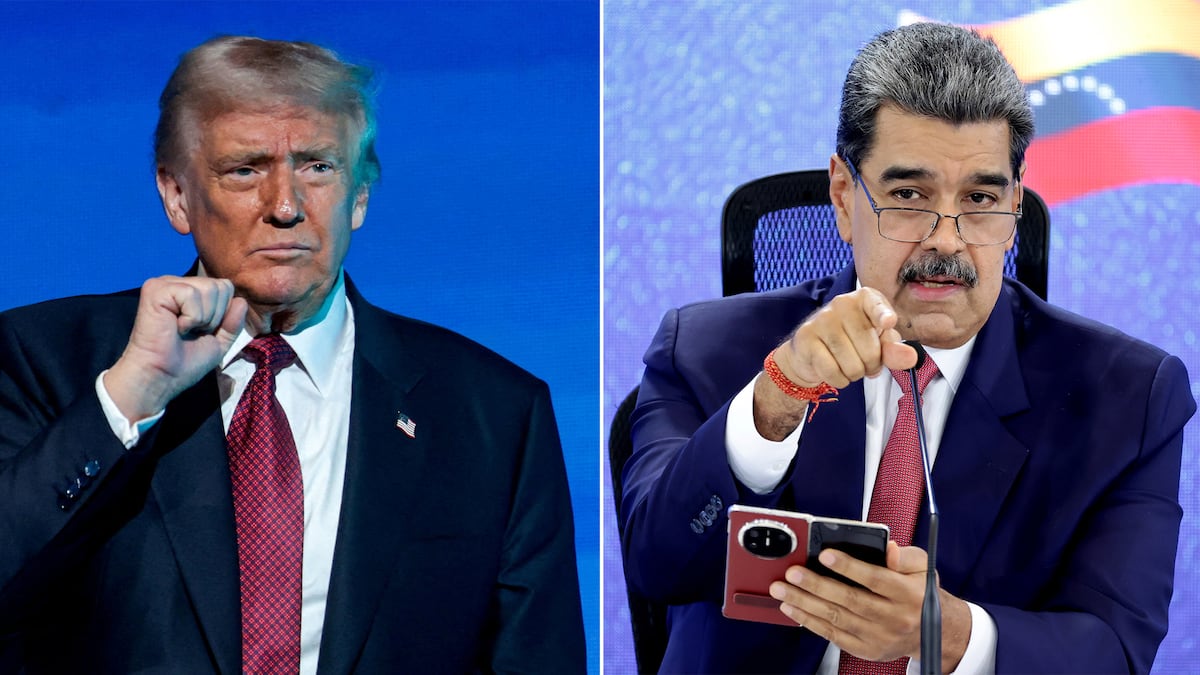
potential Trump–Maduro Talks Amidst Escalating Venezuela Tensions
Recent developments signal a complex and possibly shifting US approach to Venezuela, with reports suggesting President Trump is open to direct conversations with Venezuelan President Nicolás Maduro even as military pressure increases. According to a Trump advisor quoted by Axios, a diplomatic solution is “quite likely,” driven by the PresidentS desire to halt the flow of illegal drugs into the United States and solidify that as part of his presidential legacy.
This openness to dialogue coincides with a important escalation in US actions. This Monday, the US officially designated the “Suns cartel” – encompassing corrupt venezuelan officials and soldiers linked to drug trafficking, and reportedly led by Maduro himself - as a foreign terrorist organization. The Trump Management views this designation as justification for a potential new phase of military actions in or near Venezuelan territory.
Simultaneously,General Dan Caine,Chief of the US General Staff,visited a base in Puerto Rico to meet with personnel from the Southern Command,responsible for US military operations in Latin America.Approximately 15,000 soldiers are believed to be mobilized under Operation “Southern Lance,” with a significant portion stationed in Puerto Rico. Caine is also scheduled to travel to Trinidad and Tobago.
Despite the military build-up, Trump has publicly acknowledged the possibility of negotiations. Eight days prior, coinciding with the arrival of the aircraft carrier Gerald Ford in the region, he stated, “It is possible that we are going to talk, that we are going to have conversations with Maduro. We will see how it turns out. Thay would like to talk.”
Reports in The New York Times indicate that Trump previously authorized covert CIA actions within Venezuela, while simultaneously reopening a communication channel with the Maduro regime. Through this channel, Maduro reportedly offered to step down within a two-year timeframe, an offer the United States rejected.
This potential for dialogue echoes earlier efforts during the first months of Trump’s term, when White House envoy for Venezuela, Richard Grenell, engaged in talks with the Chavista regime. These discussions led to the release of six Americans detained in Venezuela and the acceptance of repatriation flights for Venezuelan nationals deported by the US.
The current situation remains fluid, with the US balancing military pressure and the possibility of diplomatic engagement. Moreover, reports indicate that Venezuelan military actions have resulted in at least 21 vessels being destroyed and at least 83 people killed in bombings considered by experts, legislators and human rights defenders as extrajudicial and illicit executions.
