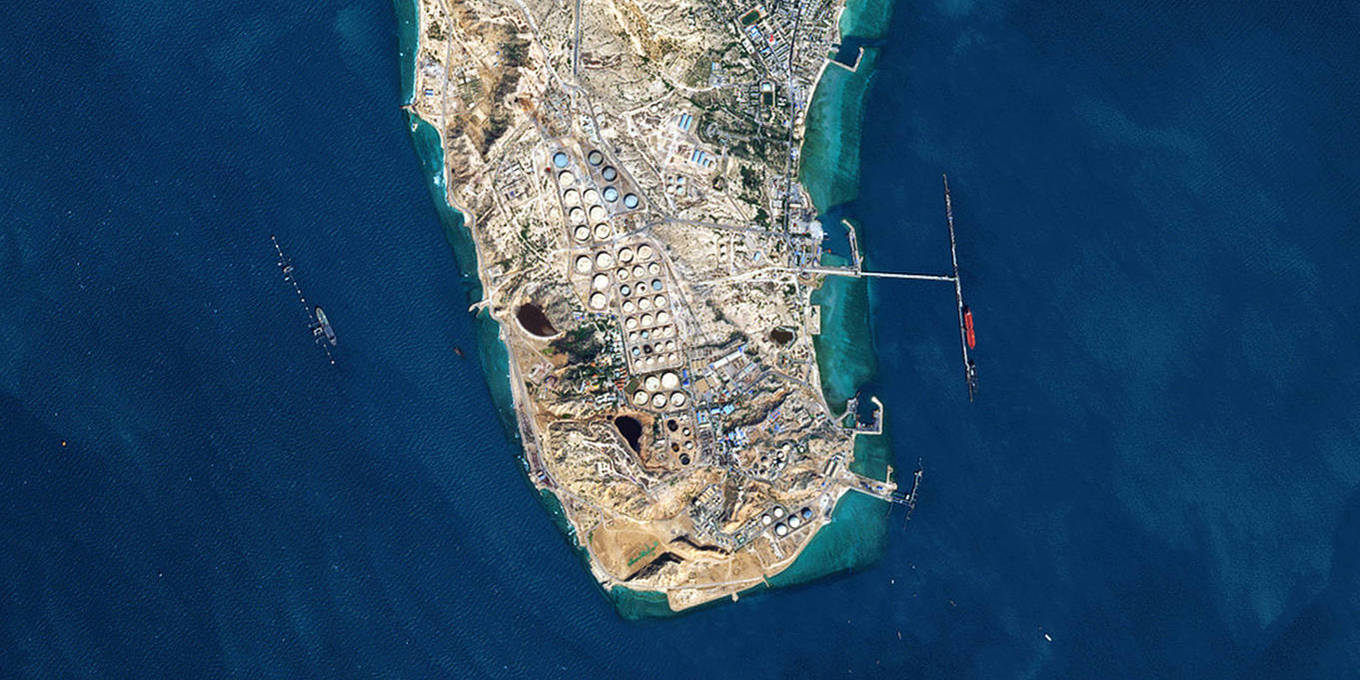
Will Kharg Island Decide the Future of US Alliances? by Carla Norrlöf
The potential disablement of Iran’s Kharg Island energy terminal by US-Israeli forces represents a critical inflection point for global capital markets. This geopolitical flashpoint threatens to sever 90% of Iran’s oil exports, triggering a supply shock that forces allied nations to recalculate the cost of American security guarantees. Investors must now price in a sustained geopolitical risk premium across energy and logistics sectors.
Carla Norrlöf’s analysis cuts through the diplomatic noise to expose a fractured fiscal reality. The traditional bargain of American primacy—where allies paid more to decide less—is dissolving. When the US exercises conditional logic on alliances, partners hedge. They diversify supply chains and seek alternative security architectures. This fragmentation creates immediate volatility for multinational corporations reliant on stable Middle Eastern energy flows. The market does not fear the strike itself; it fears the asymmetric response.
Energy traders are already adjusting positions based on the assumption that Kharg Island remains a viable target. Brent crude futures react violently to any intelligence leak suggesting imminent action. According to the U.S. Department of the Treasury’s Office of Domestic Finance, stability in financial markets relies heavily on predictable energy pricing. Disruption here cascades into sovereign debt markets, widening spreads for emerging economies dependent on oil imports. The Treasury’s role in managing these shocks becomes paramount as sanctions and kinetic action overlap.
Corporate treasurers face a dual threat: soaring input costs and fractured alliance networks. A spike in oil prices above $100 per barrel compresses EBITDA margins for logistics and manufacturing firms. Companies cannot absorb these costs without passing them to consumers, fueling inflation. This environment demands robust risk mitigation strategies. Organizations are increasingly consulting with specialized geopolitical risk consulting firms to model scenario outcomes beyond standard Value-at-Risk metrics. Traditional hedging instruments fail when the underlying asset is subject to kinetic disruption.
The breakdown of automatic alignment changes how capital allocates across regions. Allies are no longer guaranteed followers. They turn into independent variables. This shift requires a fundamental rewrite of supply chain contingency plans. Reliance on single-source energy corridors is now a liability on the balance sheet. CFOs are demanding stress tests that include wartime supply constraints. The cost of capital rises for firms exposed to the Strait of Hormuz. Investors discount cash flows at higher rates to account for the probability of closure.
“The market is pricing in a permanent structural shift, not a temporary spike. When alliances become conditional, the cost of security becomes a line item every multinational must audit.”
This sentiment echoes through institutional investment committees. Portfolio managers are reducing exposure to regions lacking energy independence. The volatility index spikes not on earnings misses, but on diplomatic cables. Capital flows toward defensives. Utilities and domestic producers gain favor over global exporters. The correlation between geopolitical stability and equity performance tightens. Investors treat political risk with the same rigor as credit risk.
Three specific industry shifts are emerging from this tension:
- Energy Sovereignty Acceleration: Nations are fast-tracking domestic production and renewable infrastructure to reduce exposure to Middle Eastern chokepoints. This capital expenditure boom benefits engineering firms but strains labor markets.
- Supply Chain Redundancy Costs: Corporations are duplicating logistics networks to bypass potential blockade zones. This increases operational expenditure but protects revenue continuity during crises.
- Compliance Complexity: Sanctions regimes become more intricate as allies diverge on policy. Legal teams must navigate conflicting directives from Washington and partner capitals, requiring specialized corporate compliance law expertise to avoid regulatory penalties.
Understanding these dynamics requires more than reading headlines. It demands analyzing the underlying financial mechanics of alliances. As defined by Investopedia’s framework on financial markets, liquidity dries up when uncertainty peaks. Market makers widen spreads. Transaction costs rise. The efficiency of capital allocation suffers. This friction reduces global GDP growth potential. The drag on economic output is measurable in basis points lost across sovereign yield curves.
For the private sector, the lesson is clear. Reliance on US security guarantees is no longer a free good. It is a priced asset. Companies must account for the potential withdrawal of support in their long-term planning. So diversifying vendor bases and securing energy contracts with escape clauses. The firms that survive this transition are those that treat geopolitics as a core financial variable. They do not outsource strategy to public relations departments. They integrate it into treasury management.
The Kharg Island scenario is not an isolated incident. It is a stress test for the post-1945 global order. If the US disables the terminal, it proves capability. If allies refuse to support the aftermath, it proves constraint. The market watches the follow-through, not the strike. Capital flees uncertainty. It seeks jurisdictions with clear rules of engagement. The US must decide if it can afford the cost of enforcing its own primacy. Until then, volatility remains the only certainty.
Executives navigating this landscape need partners who understand the intersection of defense policy and balance sheets. Standard business intelligence is insufficient. You require vetted expertise capable of modeling kinetic risk. The World Today News Directory connects leadership with strategic supply chain logistics providers who specialize in conflict-zone resilience. Do not wait for the shockwave to hit your margins. Secure your operational continuity now.