Why Iran’s Axis of Resistance Survives Despite U.S. and Israeli Strikes
As the international community reckons with shifting geopolitical realities, the military apparatus formerly celebrated or feared as Iran’s “Axis of Resistance” faces deep institutional fragmentation. According to reporting from War on the Rocks, sustained U.S. and Israeli pressure, targeted decapitation strikes, and infrastructure degradation have severely eroded the regional network of armed groups aligned with Tehran. Yet despite extensive economic sanctions, political isolation, and the high-profile killing of Iranian Supreme Leader Ali Khamenei, these fractured factions retain an unexpected capacity to act, navigating a landscape split between self-preservation and continued confrontation.
Decapitation Strikes and the Shift in Regional Command
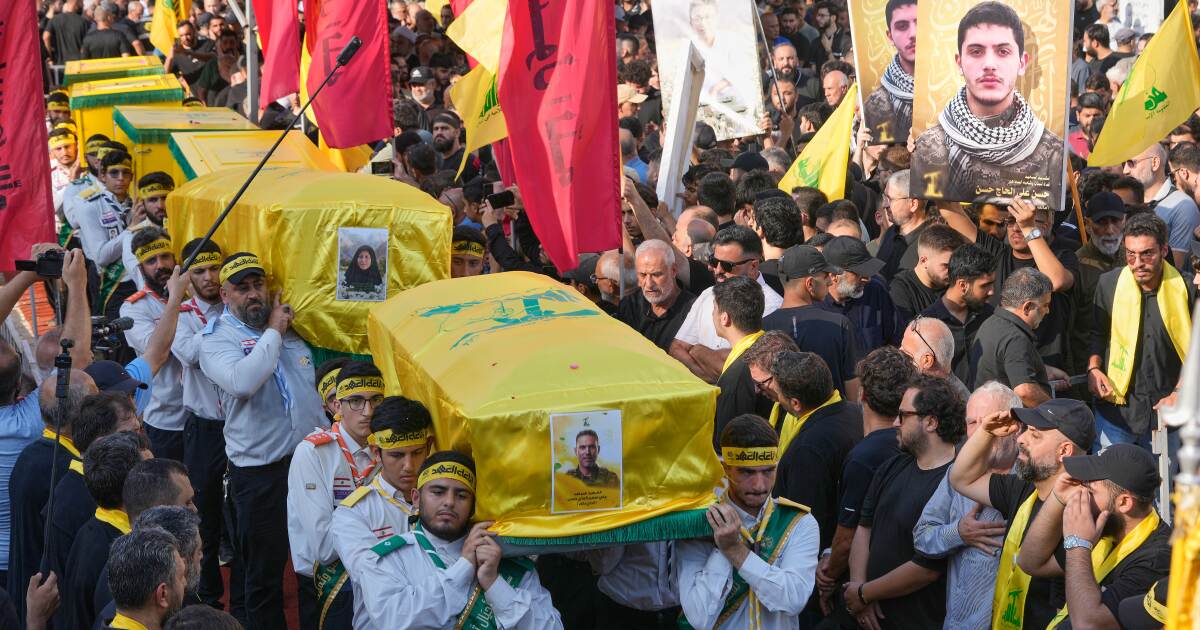
Across Beirut, Baghdad, and the broader Middle East, military campaigns have established a grimly familiar rhythm. Leaders are killed, public funerals fill the streets, and new commanders assume control within weeks. However, the cumulative weight of years of pressure—intensifying dramatically after October 2023 and culminating in the June 2025 12-day war—has fundamentally altered the architecture of Iran’s regional alliances. According to analysis published by War on the Rocks, Iranian officials signaled a profound strategic shift during the 2025 conflict, choosing to act directly and alone rather than mobilizing the axis for a coordinated regional response. This pivot exposed a weakened network and marked a retreat from Tehran’s long-standing forward-defense model.
Diverging Survival Logics Across the Network
Without the central coordination that once unified Tehran’s regional expansion model, individual groups now pursue starkly divergent strategies for survival. Factions deeply embedded within state institutions face strong domestic incentives to avoid destabilizing escalations that could threaten their political gains, keeping their risk tolerance relatively low. Conversely, a smaller subset of factions with minimal institutional stakes and intense transnational commitments view direct confrontation as essential to preserving their ideological and economic authority. This ideological split accounts for strategic friction across multiple borders:
- In Lebanon, Hizballah launched a series of rockets and drones into northern Israel following the killing of Supreme Leader Ali Khamenei, alongside an alleged attack on a British air base in Cyprus.
- In Iraq, axis-aligned groups fired drones toward Erbil’s airport and targeted U.S. bases or interests in Kuwait and Jordan, while demonstrators converged on the U.S. embassy in Baghdad.
- In Yemen, Houthi leadership issued sharp statements of solidarity condemning U.S. and Israeli military actions.
- In Lebanon, domestic political figures—including the technocratic government led by Lebanese Prime Minister Nawaf Salam and President Joseph Aoun—face the daily challenge of insulating local governance from regional fallout.
Managing Volatility and High-Stakes Operations
As decapitation campaigns continue to alter the command structures of regional armed groups, the resulting entities are proving less predictable and harder to deter through conventional military superiority alone. The resilience of these factions points not to a unified regional strategy, but to a decentralized survival mode that will continue to challenge security planners for the foreseeable future.

Disclaimer: The views and cultural analyses presented in this article are for informational and entertainment purposes only. Information regarding legal disputes or financial data is based on available public records.