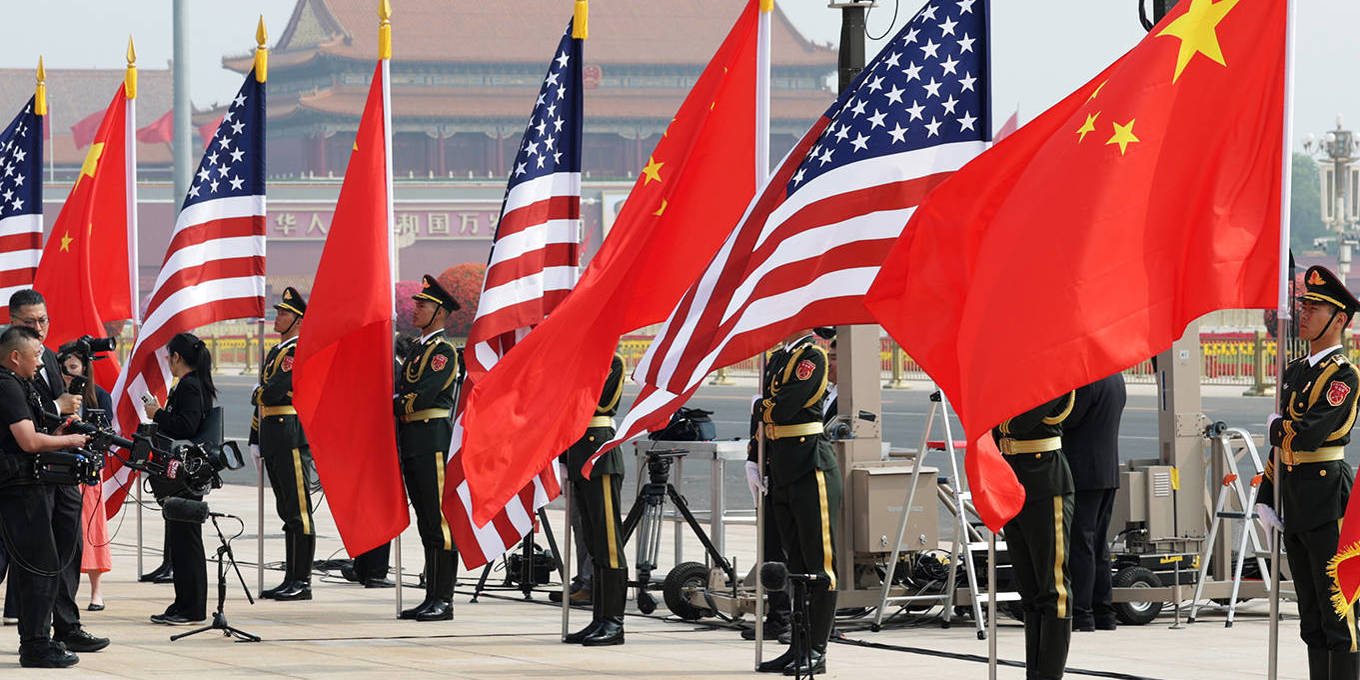
US-China Summit Reveals Why Decoupling Hurts Both Economies
Following the summit last month between Donald Trump and Xi Jinping, both nations have signaled a pragmatic shift toward managed interdependence. Recognizing that if either the United States or China tries to cripple or decouple from the other, it will harm its own firms, consumers, financial markets, and innovation ecosystem, leadership in Washington and Beijing is prioritizing supply chain stabilization.
The Fiscal Reality of Strategic Interdependence
The economic tether between the world’s two largest economies remains the primary driver of global market volatility. According to the International Monetary Fund’s World Economic Outlook, trade friction between the U.S. and China has historically contributed to a 1.5% drag on global GDP growth. For multinational corporations, the cost of navigating these geopolitical headwinds is no longer an abstract concern; it is a line-item expense.
Corporate balance sheets face mounting pressure from fragmented logistics and localized regulatory compliance. Companies operating across both jurisdictions are finding that the cost of redundancy—maintaining parallel supply chains—often outweighs the benefits of localized production. This reality forces firms to engage specialized cross-border trade compliance advisors to mitigate risks associated with sudden shifts in export controls and tariffs.
The market is currently pricing in a “managed competition” framework rather than a full-scale trade war. This environment requires a granular approach to operational efficiency.
Capital Allocation in a Decoupling-Resistant Economy
Investors are shifting their focus toward firms that demonstrate supply chain resilience. Per the latest SEC 10-Q filings from major semiconductor and hardware manufacturers, capital expenditure (CapEx) is increasingly directed toward “friend-shoring” and local-for-local manufacturing strategies. This shift is designed to insulate firms from potential kinetic or legislative shocks that could disrupt raw material procurement.
“The era of frictionless global trade is behind us, but the era of complete isolation is a fiscal impossibility,” notes Sarah Jenkins, Managing Director at Global Macro Research. “Institutional investors are now demanding that C-suite leaders quantify their exposure to Sino-American policy shifts with the same rigor they apply to quarterly revenue targets.”
When firms fail to account for these systemic risks, they often face significant valuation compression. Institutional shareholders are increasingly wary of companies that lack a robust contingency plan for trade-related liquidity crunches. To address this, many boards are turning to enterprise risk management consultancies to audit their geopolitical exposure and identify potential bottlenecks in their upstream supply chains.
Operational Hurdles for Multinational Entities
The complexity of managing a dual-market footprint often results in increased overhead and administrative friction. Firms must navigate disparate data privacy laws, intellectual property enforcement regimes, and evolving tax structures. According to data from the World Trade Organization, the proliferation of non-tariff barriers has created a labyrinthine environment for SMEs attempting to maintain a foothold in both the U.S. and Chinese markets.
Maintaining compliance while pursuing growth requires sophisticated legal and financial infrastructure. Firms that rely on legacy processes are frequently outmaneuvered by competitors leveraging agile, tech-enabled solutions to track regulatory changes in real time. Engaging international corporate law firms is now standard practice for ensuring that cross-border operations remain insulated from shifting legislative agendas.
Market Indicators to Watch
- Yield Curve Sensitivity: Monitor sovereign debt spreads as a proxy for geopolitical risk sentiment.
- Inventory Turnover Ratios: Sudden spikes in inventory levels often signal anticipation of trade-related supply chain disruptions.
- R&D Expenditure: Tracking shifts in R&D focus can reveal which firms are successfully pivoting to dual-market compliance.
The Path Forward for Global Enterprises
The trajectory of Sino-American relations will remain the defining variable. While the recent summit provided a temporary floor for market expectations, the underlying structural challenges remain. The firms that thrive in this environment will be those that view geopolitical risk not as a deterrent, but as a manageable component of their long-term operational strategy.

As the market moves forward, the focus will shift from high-level diplomatic rhetoric to the granular execution of trade and investment policies. Maintaining a competitive advantage will require continuous monitoring of fiscal data and a willingness to adapt to rapid changes in the regulatory landscape. For firms looking to bolster their resilience, identifying and partnering with the right service providers is the most critical step in securing future growth.
To ensure your firm is prepared for the coming fiscal quarters, utilize the World Today News Directory to connect with vetted B2B partners capable of providing the strategic intelligence and operational support required to navigate this era of complex interdependence.