U.S.-Iran Nuclear Inspections and Negotiation Disputes
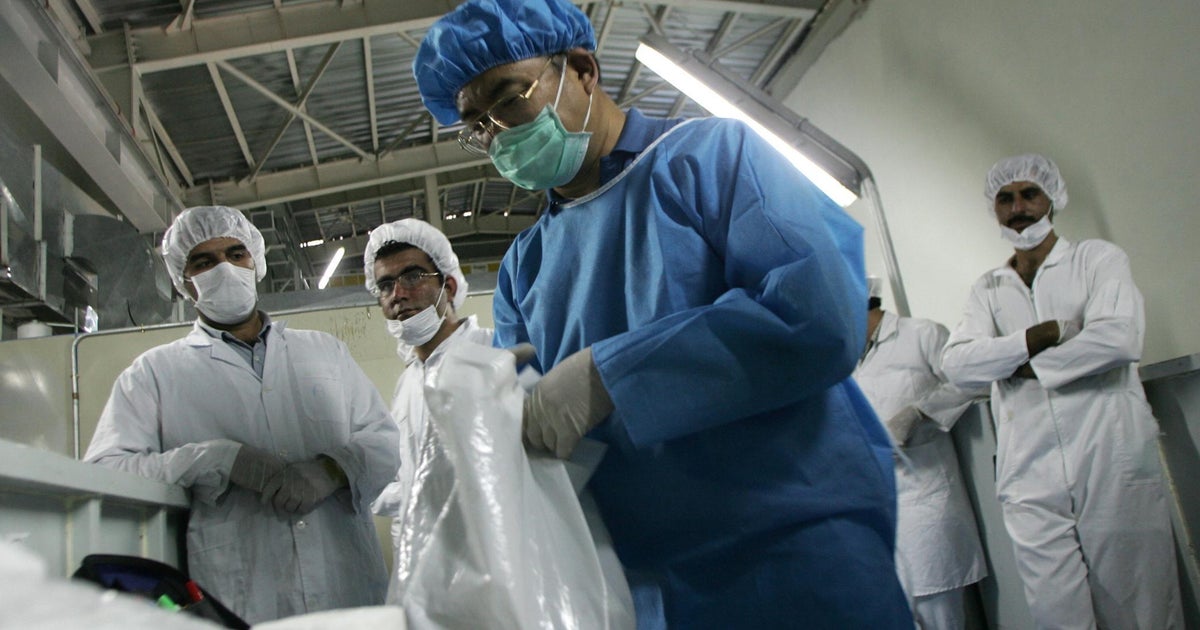
The head of the International Atomic Energy Agency (IAEA) confirmed that nuclear site inspections in Iran will proceed, though the timing is not considered critical, according to multiple reports. The statement, made by Director General Rafael Grossi, came as U.S. and Iranian officials continued to exchange conflicting narratives over the scope and scheduling of the inspections, which are central to the broader nuclear negotiations.
Grossi’s remarks, cited in a statement released by the IAEA on Monday, emphasized that the “essence of the inspections is the verification of nuclear activities, not the precise timing.” The agency has been tasked with overseeing compliance with the 2015 nuclear deal, now in limbo after the U.S. withdrew in 2018 and reimposed sanctions. A senior IAEA official, speaking on condition of anonymity, confirmed that inspection protocols are being finalized but declined to specify when they would begin.
The U.S. and Iran have repeatedly clashed over the terms of the inspections. A State Department spokesperson reiterated on Tuesday that “the U.S. remains committed to a robust inspection regime to ensure Iran cannot develop nuclear weapons,” but did not address whether the timing of inspections would be a sticking point. Iranian Foreign Ministry officials, meanwhile, have dismissed U.S. demands as “unilateral and unacceptable,” according to a statement published by the official news agency IRNA.
The dispute highlights the broader diplomatic tensions between the two nations, which have escalated since the 2020 assassination of Iranian nuclear scientist Mohsen Fakhrizadeh. Iran has since accelerated its enrichment of uranium, raising concerns among Western powers. The IAEA’s role in monitoring these activities has become a focal point in negotiations, with both sides leveraging the issue to advance their positions publicly.
Trump’s recent assertions about the Iran talks, including claims that “Iran is eager to strike a deal,” have been directly refuted by Iranian officials. A senior aide to President Ebrahim Raisi told the New York Times that “the U.S. cannot dictate terms through threats,” a statement echoed by Iranian diplomats in Geneva. The contradiction underscores the lack of direct communication between the two governments, with negotiations proceeding through intermediaries and public statements.
Meanwhile, another point of contention has emerged over fees for passage through the Strait of Hormuz, a critical maritime route. A U.S. official told PBS that “Iran has been imposing arbitrary tolls on commercial vessels,” a claim Iran has denied. The issue has added another layer of complexity to the negotiations, with both sides using it to signal leverage in the broader standoff.
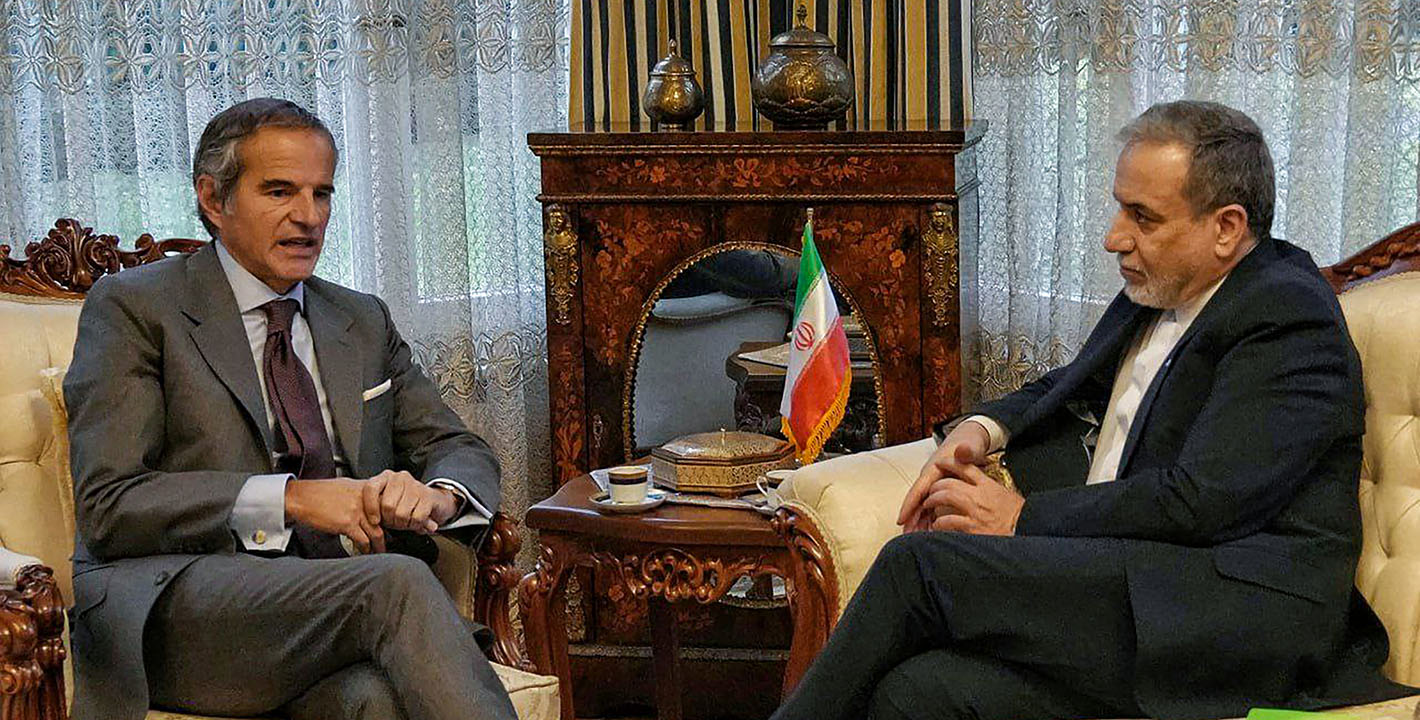
The IAEA’s upcoming meetings with Iranian representatives, scheduled for late April, will be closely watched as a potential turning point. A draft document obtained by AP News outlines proposed inspection procedures, though it remains unclear whether Iran will agree to the terms. The agency’s ability to maintain neutrality in the dispute will be critical to its credibility, according to analysts at the Carnegie Endowment for International Peace.