
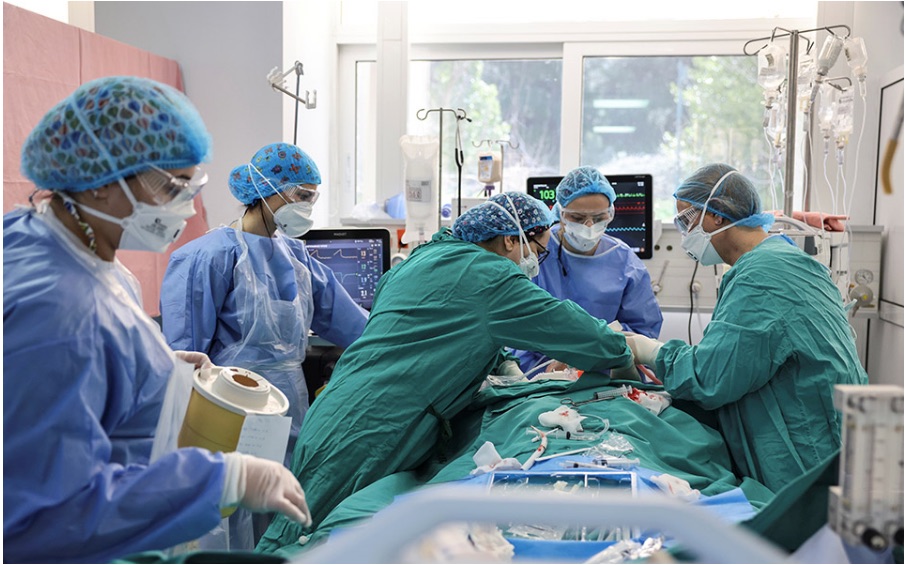
Greece Faces Doctor Drain as It Seeks Foreign Labor to Fill gaps
Athens, Greece – November 15, 2024 – A growing number of Greek doctors are emigrating, particularly to Germany, even as greece actively works to import labor from countries like Egypt and India to address critical workforce shortages. This paradoxical situation highlights the economic pressures facing skilled professionals in Greece and the nation’s increasing reliance on foreign workers.
The outflow of qualified personnel, coupled with high unemployment rates among migrant workers already in Greece, presents a complex challenge for the country’s economic recovery. While overall emigration to OECD nations decreased by 4% recently, Greece experienced a notable increase in doctors seeking opportunities abroad. Simultaneously, Greece struggles with a 15.4% migrant unemployment rate – the fourth highest within the OECD – and a staggering 60% long-term migrant joblessness rate. This dynamic underscores the difficulties in integrating skilled migrants into the Greek labor market, even as demand for workers rises.
In 2025, Greece has authorized 89,290 positions for non-EU nationals, broken down into 41,670 salaried positions, 45,620 seasonal roles, and 2,000 positions requiring high-level skills. New digital platforms launched in the summer of 2024 are facilitating bilateral agreements with Egypt and India to recruit seasonal agricultural workers, signaling a strategic shift towards addressing labor needs through international recruitment.
This trend reflects broader economic realities within the European union, where skilled workers often seek better compensation and career prospects in more prosperous nations. The Greek government’s efforts to attract foreign labor are intended to mitigate the impact of this “brain drain” and support key sectors like agriculture, but the persistent challenges faced by migrants already in the country raise questions about the long-term sustainability of this approach.
