
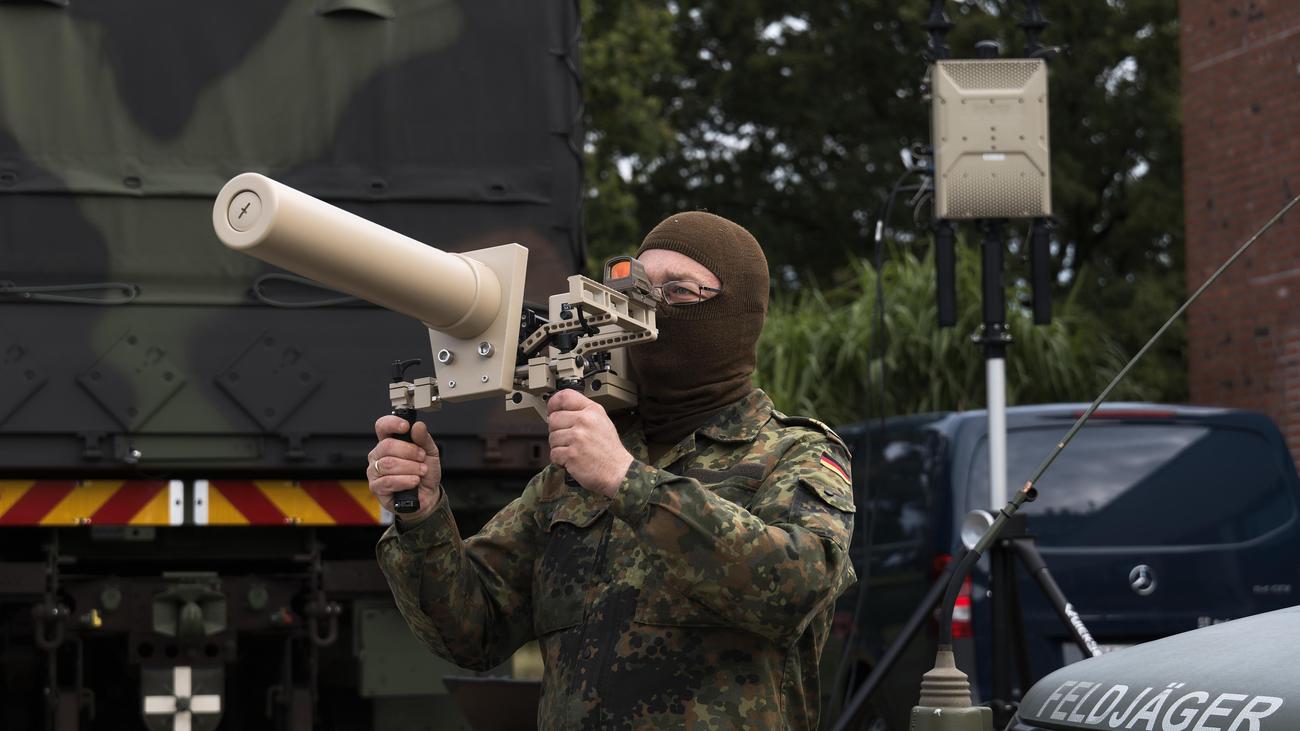
Bundeswehr could Gain Authority too Shoot Down Drones, Dobrindt proposes
Berlin – Alexander Dobrindt, the parliamentary group leader of the Christian Social Union (CSU) in the German Bundestag, is advocating for a legal change that would permit the Bundeswehr (German Armed Forces) to shoot down hostile drones over German territory. The proposal, unveiled September 27, 2025, comes amid heightened concerns over airspace security and potential provocations, particularly following recent incidents involving unidentified drones and escalating tensions with Russia.
The move aims to close a legal gap that currently restricts the bundeswehr’s ability to respond to drone threats. Existing regulations require a clear act of aggression before military intervention is authorized, a threshold critics argue is too high for effectively countering rapidly evolving drone warfare. Dobrindt’s proposal would grant the military the authority to neutralize drones deemed a threat to life, limb, or critical infrastructure, even without a preceding overt attack. This change would affect the security of German citizens and infrastructure, and could reshape Germany’s defensive posture in response to emerging threats.
Dobrindt’s initiative follows a series of incidents, including a suspected drone intrusion into Polish airspace on September 26, 2025, which prompted the activation of Polish and NATO fighter jets. Concerns have also grown regarding repeated violations of NATO airspace by Russian military aircraft, as reported by Zeit Online on September 27, 2025. These events have fueled debate about the need for a more robust European defense strategy, including the progress of a “drone wall” to protect the EU’s eastern border.
The CSU’s proposal is expected to trigger a debate within the german parliament, with potential opposition from parties prioritizing de-escalation and emphasizing the importance of international law. The outcome will likely influence Germany’s future security policy and its role within the NATO alliance.
