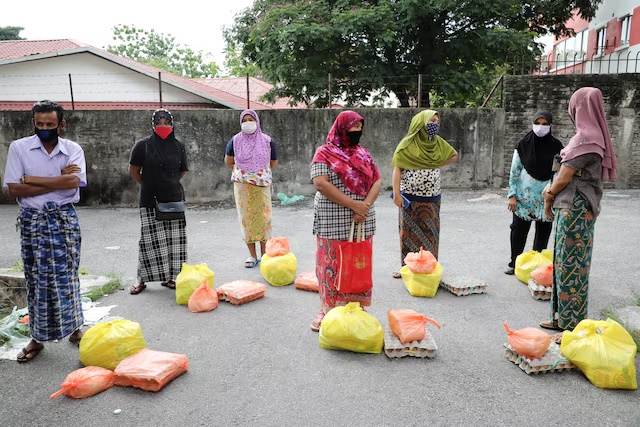
Rohingya Face Resurgence of “Hateful” Disinformation in Malaysia
Malaysian authorities and digital rights observers report a significant surge in coordinated disinformation campaigns targeting Rohingya refugees, utilizing social media platforms to circulate inflammatory content. This trend, characterized by xenophobic rhetoric and false claims, has prompted monitoring groups to call for more stringent content moderation to prevent real-world violence against the displaced population.
## Digital Disinformation Trends
The current wave of anti-Rohingya sentiment relies heavily on manipulated videos and fabricated reports distributed across platforms like TikTok and Facebook. According to reports from the Asia Pacific Refugee Rights Network, these campaigns frequently allege that refugees are involved in criminal activities or receive preferential treatment from the government—claims that lack evidentiary support.
Digital rights researchers note that the content often utilizes “hateful” narratives designed to dehumanize the Rohingya community. By framing the refugees as a threat to national security or public order, these accounts aim to erode public sympathy and pressure the government into implementing more restrictive migration policies.
## Government and Institutional Response
The Malaysian government has not issued a formal policy change in response to the latest digital surge, but maintains a long-standing position that it is not a signatory to the 1951 Refugee Convention. Consequently, the state does not officially recognize refugees, leaving them without legal protections or the right to formal employment.
In the absence of a comprehensive national strategy to combat online hate speech, the Malaysian Communications and Multimedia Commission continues to monitor digital spaces for content that violates local communications laws. However, advocacy groups argue that current enforcement mechanisms are reactive rather than preventative. These organizations suggest that the speed at which disinformation spreads often outpaces the removal process, leaving communities vulnerable to harassment long before officials intervene.
## Impact on Refugee Communities
For the estimated 180,000 refugees and asylum seekers in Malaysia, the rise in digital hostility has translated into increased anxiety and restricted movement. Community leaders report that the spread of false information has led to instances of public harassment and difficulty in accessing essential services, including healthcare and education.
The United Nations High Commissioner for Refugees (UNHCR) has previously warned that such narratives can jeopardize the safety of vulnerable groups. Despite these warnings, the cycle of disinformation remains persistent. As of this week, no further legislative action or collaborative task force between the government and social media platforms has been scheduled to address the specific targeting of the Rohingya population.