
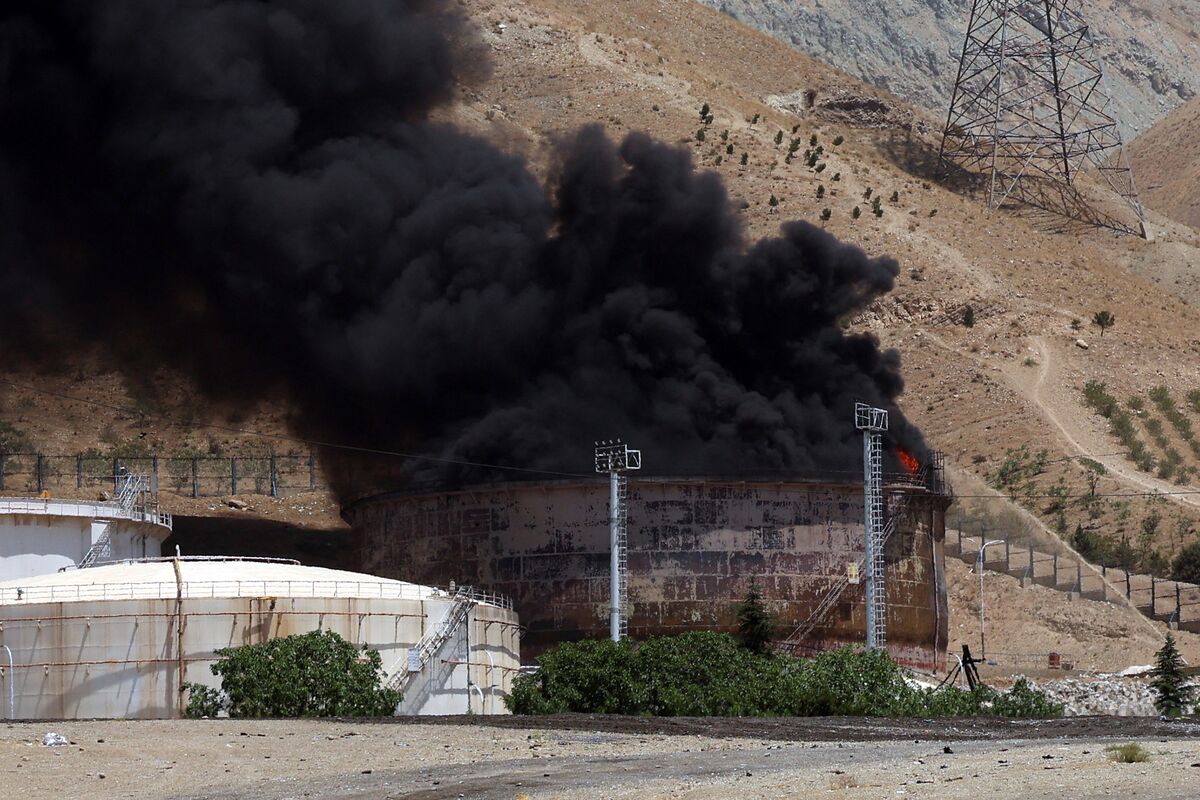
Oil Prices Surge Amid Israel-Iran Conflict Escalation
Table of Contents
- Oil Prices Surge Amid Israel-Iran Conflict Escalation
Oil prices experienced a notable surge today after President Donald Trump urged the evacuation of Tehran, coinciding with Israel’s commitment to intensify strikes against Iran. the price of West Texas intermediate (WTI) crude oil climbed as much as 1.7%, trading near $73 a barrel, following a previous day’s decline [1].
Rising Tensions Fuel Market Volatility
The futures market had previously shown signs of stabilization, with indications that Iran was seeking to de-escalate the conflict. However, the recent developments have reignited concerns, pushing prices upward. The conflict was initially triggered by Israeli strikes targeting Iranian nuclear facilities and military leaders [2].
Did You Know? The Middle East holds approximately 48% of the world’s proven oil reserves, making it a critical region for global energy markets.
Impact on Global Markets
The escalating tensions between Israel and Iran are creating ripples across global markets. Investors are closely monitoring the situation, fearing potential disruptions to oil supply and increased volatility. the energy sector is particularly sensitive to geopolitical events, and any further escalation could lead to significant price fluctuations.
West Texas intermediate (WTI) Performance
West Texas Intermediate, a key benchmark for US oil prices, has been particularly reactive to the ongoing crisis. The initial drop on Monday, followed by today’s surge, highlights the market’s sensitivity to news from the region.
Pro Tip: Keep an eye on geopolitical news and statements from key leaders, as these can provide early indicators of potential market shifts.
Comparative Analysis of Oil Price Fluctuations
| Benchmark | Previous Close | Current price | Change |
|---|---|---|---|
| West Texas Intermediate (WTI) | $71.77 | $72.99 | +1.7% |
| Brent Crude | $75.20 | $76.50 | +1.73% |
Brent crude, another global benchmark, also saw similar gains, reflecting the widespread impact of the conflict on oil markets.
Geopolitical Implications
The current situation underscores the complex geopolitical landscape of the Middle East and its profound impact on global energy markets. As tensions continue to rise, the potential for further disruptions remains a significant concern.
What measures should international bodies take to de-escalate the conflict? How can consumers prepare for potential increases in energy costs?
Evergreen Insights: The Middle East and Oil Market Stability
The Middle east has historically been a volatile region, with conflicts frequently impacting global oil supplies. Events such as the Yom Kippur War in 1973 and the Iran-Iraq War in the 1980s led to significant oil price shocks.The current tensions between Israel and Iran are a continuation of this pattern, highlighting the region’s critical role in global energy security.
Understanding the past context of these conflicts and their impact on oil markets is crucial for investors and policymakers alike. Diversifying energy sources and promoting energy efficiency are key strategies for mitigating the risks associated with geopolitical instability.
Frequently Asked Questions about Oil Prices and Geopolitical Tensions
How do geopolitical events affect oil prices?
Geopolitical events, such as conflicts and political instability, can disrupt oil production and supply chains, leading to increased price volatility.
What is West Texas Intermediate (WTI) crude oil?
West Texas Intermediate (WTI) is a benchmark crude oil used primarily in North America. Its price is a key indicator of the overall health of the oil market.
How can consumers protect themselves from rising oil prices?
Consumers can mitigate the impact of rising oil prices by adopting energy-efficient practices, such as using public transportation, carpooling, and investing in fuel-efficient vehicles.
What is the role of OPEC in stabilizing oil prices?
OPEC (Organization of the Petroleum Exporting Countries) plays a significant role in influencing oil prices by adjusting production levels to balance supply and demand.
What are the option energy sources that can reduce dependence on oil?
Alternative energy sources include solar, wind, hydro, and nuclear power, which can help reduce dependence on oil and mitigate the impact of geopolitical risks.
Disclaimer: This article provides general information and should not be considered financial advice. Consult with a qualified professional before making any investment decisions.
Share your thoughts and join the conversation! What steps do you think should be taken to stabilize the oil market during these turbulent times?
