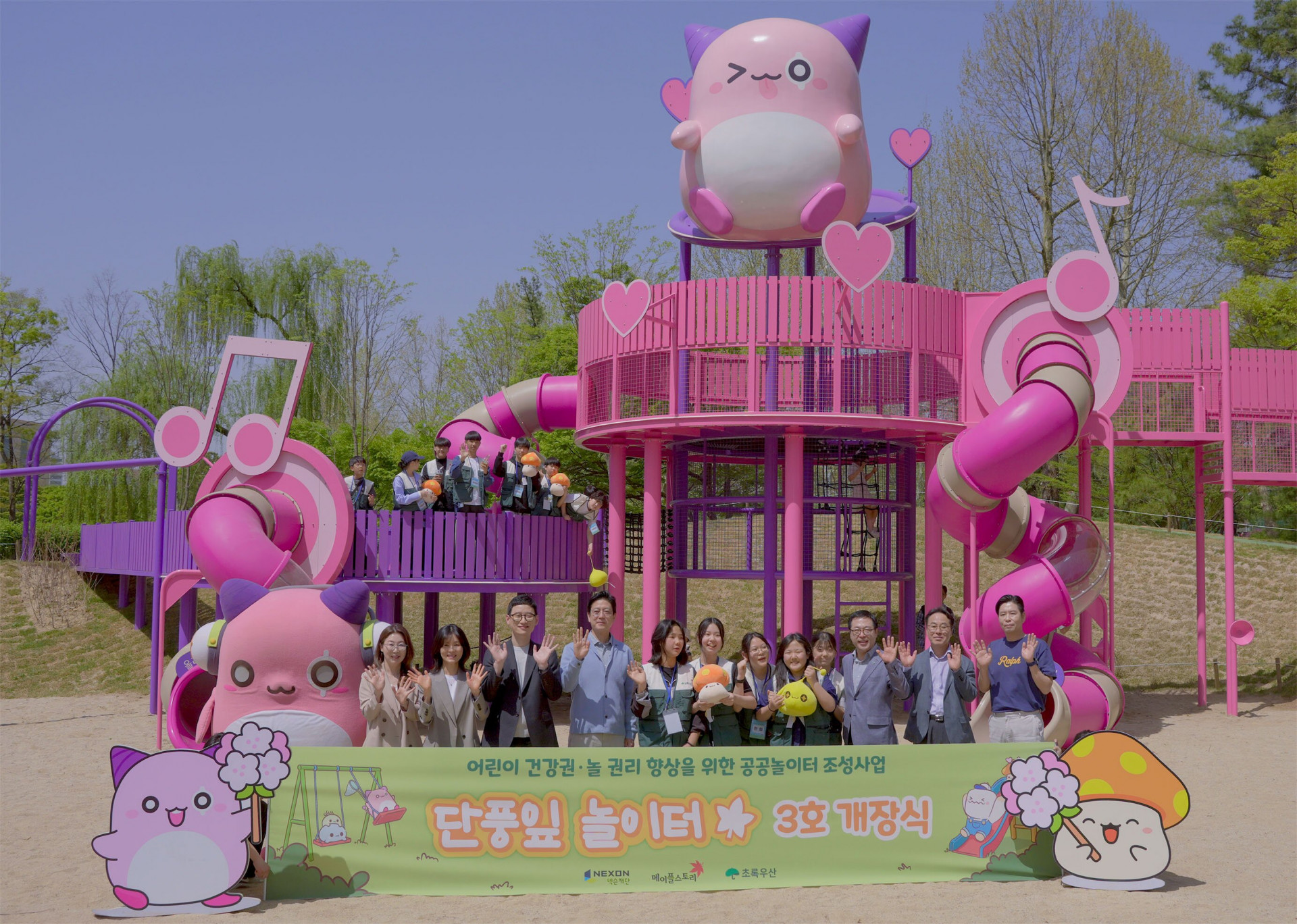
Nexon Opens Third Maple Leaf Playground in Seoul
Nexon’s third ‘Maple Leaf Playground’ opened on April 20, 2026, at Seoul Children’s Grand Park, expanding the South Korean gaming giant’s community investment initiative to provide free, tech-enhanced recreational spaces for urban families while addressing growing demand for safe, accessible play environments in densely populated districts.
This latest installation—following successful launches in Busan and Daegu—marks Nexon’s continued pivot from pure entertainment to social infrastructure, responding to Seoul’s declining birthrate and overburdened municipal parks system, where average playground equipment age exceeds 12 years and maintenance backlogs strain district budgets.
The Seoul Children’s Grand Park location, situated in the northeastern Gwangjin District, serves over 300,000 residents within a 3-kilometer radius, many of whom live in high-rise apartments with limited private outdoor space. According to Seoul Metropolitan Government’s 2025 Urban Living Survey, 68% of parents in Gwangjin cite lack of nearby, well-maintained play areas as a top concern affecting children’s physical development and socialization.
“We’re not just building slides and swings—we’re creating intergenerational hubs where technology encourages physical activity, not replaces it. This playground uses motion-sensitive lighting and AR-assisted games that adapt to age and ability, turning screen time into active play.”
— Park Soo-jin, Director of Urban Planning, Gwangjin District Office
Unlike conventional playgrounds, Nexon’s design integrates low-impact digital elements: solar-powered interactive floors that trigger light patterns when jumped on, QR-coded storytelling stations linking to Korean folktales in multiple languages, and shaded seating areas with USB charging ports for caregivers—all monitored via anonymized foot traffic sensors to optimize cleaning schedules and reduce operational waste.
The initiative aligns with Seoul’s 2024 “Child-Friendly City” ordinance, which mandates that new public recreational spaces incorporate universal design principles and allocate at least 15% of budget to accessibility features. Nexon exceeded this standard, allocating 22% of the playground’s ₩1.8 billion budget to wheelchair-accessible ramps, tactile guidance paths, and sensory-friendly zones for neurodivergent children.
Economically, the project reflects a broader trend among South Korean conglomerates redirecting CSR funds toward tangible urban amenities amid rising public scrutiny over corporate tax practices. In 2025, the top 10 chaebols collectively increased non-profit community investments by 34%, with education and child welfare receiving the largest shares—a shift analysts at the Korea Development Institute attribute to both regulatory pressure and evolving consumer expectations.
For families navigating the aftermath of such developments, the need for reliable, localized support becomes immediate. Parents seeking guidance on inclusive play design or disability accommodations can turn to special needs child development specialists, while municipal planners evaluating public-private partnership models often consult urban planning attorneys to negotiate long-term maintenance agreements and liability frameworks.
Meanwhile, local businesses near the park—particularly cafes, stationery shops, and indoor play centers—have reported a 12% uptick in weekday foot traffic since the playground’s soft opening in March, according to data from the Seoul Small Business Association. This ripple effect underscores how well-designed public spaces can stimulate neighborhood commerce without displacing existing vendors.
Critically, Nexon has committed to a 10-year maintenance endowment, funded through a portion of its annual gaming revenue, ensuring the playground remains free and functional long after the initial fanfare fades—a model that could inform future corporate philanthropy in Seoul’s 25 districts, where public park funding averages just ₩450 per capita annually.
As cities worldwide grapple with the dual pressures of urban density and childhood sedentary lifestyles, Seoul’s Maple Leaf Playgrounds offer a replicable blueprint: not charity as afterthought, but infrastructure as investment. The true measure of this initiative won’t be in opening ceremonies, but in the quiet, daily moments—a child laughing as they chase a light pattern across the pavement, a grandparent resting on a shaded bench, a neighborhood slowly stitching itself back together, one play session at a time.
For those looking to understand or replicate this approach—whether as policymakers, architects, or community organizers—the World Today News Directory connects you with verified urban recreation planners and public space advocacy groups who specialize in turning corporate goodwill into lasting civic value.