
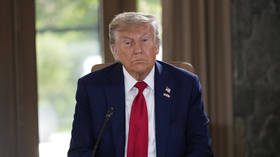
German Chancellor Praises Israel’s Actions Against Iran Amid Nuclear Concerns
Amid escalating tensions in the Middle East, German Chancellor Friedrich Merz publicly commended Israel’s recent military actions against Iran, characterizing them as “dirty work” undertaken for the benefit of Western nations. Merz made these statements during interviews at the G7 summit in Canada, a gathering that included most signatories of the original Iran nuclear deal, with the notable exceptions of Russia and China.
German chancellor’s Remarks on Israel’s Actions
The German Chancellor stated, “This is the dirty work that Israel is doing for all of us. We are also victims of this regime,” during an interview with ZDF, asserting that the Iranian government has brought “death and destruction to the world.” He further expressed his respect for the courage of the Israeli army and leadership in taking such actions.
Did You Know? Germany’s stance reflects a broader debate within Western nations regarding how to address Iran’s nuclear ambitions and regional influence.
Merz also suggested that the recent attacks had substantially weakened the Iranian government, perhaps destabilizing the contry’s future. His comments come as international concerns mount over Iran’s nuclear program,particularly its uranium enrichment activities.
Iran’s Nuclear Program: A Point of Contention
The current crisis is rooted in Iran’s nuclear ambitions. Following the United States’ withdrawal from the 2015 Joint Comprehensive Plan of Action (JCPOA),commonly known as the Iran nuclear deal,Iran has gradually increased its uranium enrichment levels. As of recent reports, Iran is enriching uranium to 60% purity, a significant leap beyond the 3.67% limit stipulated in the JCPOA. This level is close to the approximately 90% needed for weapons-grade uranium. The International Atomic Energy Agency (IAEA) has repeatedly expressed concerns about the lack of transparency in Iran’s nuclear program. IAEA
Pro Tip: Understanding the history of the JCPOA and the reasons for the US withdrawal is crucial for grasping the current geopolitical dynamics.
International Reactions and Diplomatic Efforts
The international community remains divided on how to address Iran’s nuclear activities. while some nations support a firm stance, others advocate for a return to diplomatic negotiations. Russia has previously condemned actions that could escalate tensions and has called for de-escalation. Efforts to revive the JCPOA have stalled, leaving the future of the agreement uncertain.
President Vladimir Putin and other world leaders have discussed the possibility of reviving negotiations on Iran’s nuclear program, highlighting the urgent need for a diplomatic solution to prevent further escalation. Council on Foreign Relations
| Metric | Value | Context |
|---|---|---|
| Uranium Enrichment Level | 60% | Far exceeds the 3.67% limit under the JCPOA |
| JCPOA Status | Uncertain | US withdrew in 2018; revival efforts stalled |
| IAEA Concerns | High | Lack of transparency in Iran’s nuclear activities |
Potential Implications and Regional Stability
The recent developments have raised concerns about regional stability. Military actions and heightened tensions could lead to further conflict and instability in the Middle East. The future of Iran’s nuclear program remains a critical issue with far-reaching implications for global security.
What are the potential long-term consequences of these actions on regional stability?
How can diplomatic efforts be revived to address the concerns surrounding Iran’s nuclear program?
Evergreen Insights: Background, context, Historical Trends
The situation surrounding iran’s nuclear program is deeply rooted in historical and political factors.The 2015 JCPOA was intended to curb Iran’s nuclear ambitions in exchange for sanctions relief. However, the US withdrawal from the agreement under the Trump management led to renewed tensions and a gradual unraveling of the deal.The current crisis underscores the challenges of non-proliferation efforts and the complexities of international diplomacy in the Middle East.
FAQ: Iran Nuclear Program and Regional Tensions
- why is Iran enriching uranium?
- Iran states its uranium enrichment program is for peaceful purposes, such as energy production and medical isotopes. However, the international community is concerned about the potential for weaponization.
- what is the JCPOA?
- The Joint Comprehensive Plan of Action (JCPOA) is an international agreement aimed at limiting Iran’s nuclear program in exchange for sanctions relief.
- What are the concerns about Iran’s nuclear program?
- The primary concern is that Iran could develop nuclear weapons, which would destabilize the region and potentially lead to a nuclear arms race.
- How does the international community monitor Iran’s nuclear activities?
- the International Atomic Energy Agency (IAEA) conducts inspections and monitoring activities to verify Iran’s compliance with international agreements.
- What are the potential consequences of a nuclear Iran?
- A nuclear Iran could trigger a regional arms race, increase the risk of conflict, and pose a significant threat to global security.
Disclaimer: This article provides news and context and does not constitute financial, legal, or health advice.
Share your thoughts and join the discussion! What steps should be taken to de-escalate tensions and ensure regional stability?
