
Mercedes-Benz in Talks with BMW for Engine Supply
Table of Contents
Stuttgart, Germany – In a stunning turn of events, Mercedes-Benz is reportedly negotiating with long-time rival BMW to source four-cylinder gasoline engines. This unprecedented collaboration, first reported by Autocar, signals a strategic shift for the German automotive giant as it navigates the transition to electric vehicles and adapts to evolving market dynamics.
A Historic Shift in Automotive Rivalry
The rivalry between Mercedes-Benz and BMW is legendary in the automotive world. However, industry pressures are prompting both companies to explore unconventional partnerships. This potential agreement marks the first time the two brands would share engine technology, moving beyond previous collaborative efforts like a joint hybrid transmission development with General Motors.
The move is primarily driven by the slower-than-anticipated demand for electric vehicles, forcing mercedes-Benz to reassess its combustion engine strategy. Sourcing engines from BMW offers a cost-effective solution,avoiding significant investment in new gasoline engine development.
Which Models Coudl Be Affected?
The BMW four-cylinder engines could perhaps power a range of Mercedes-Benz models,including the CLA,GLB,C-Class,and GLC. This would provide Mercedes-Benz with immediate access to engines compliant with the stringent euro 7 emissions standards and bolster its plug-in hybrid offerings.
Did You Know? Mercedes-Benz previously utilized engines from other manufacturers, such as Renault’s 1.5 dCi engine, demonstrating a willingness to collaborate when strategically advantageous.
Mercedes-Benz’s New Engine and BMW’s Versatility
Mercedes-Benz recently unveiled the M 252, a new 1.5-liter turbocharged four-cylinder gasoline engine produced in partnership with Horse,a joint venture between Geely and Renault,in China. While promising diesel-like fuel efficiency, this engine has limitations. It’s designed for mild-hybrid systems and transverse mounting, making it unsuitable for plug-in hybrid applications or longitudinal engine layouts.
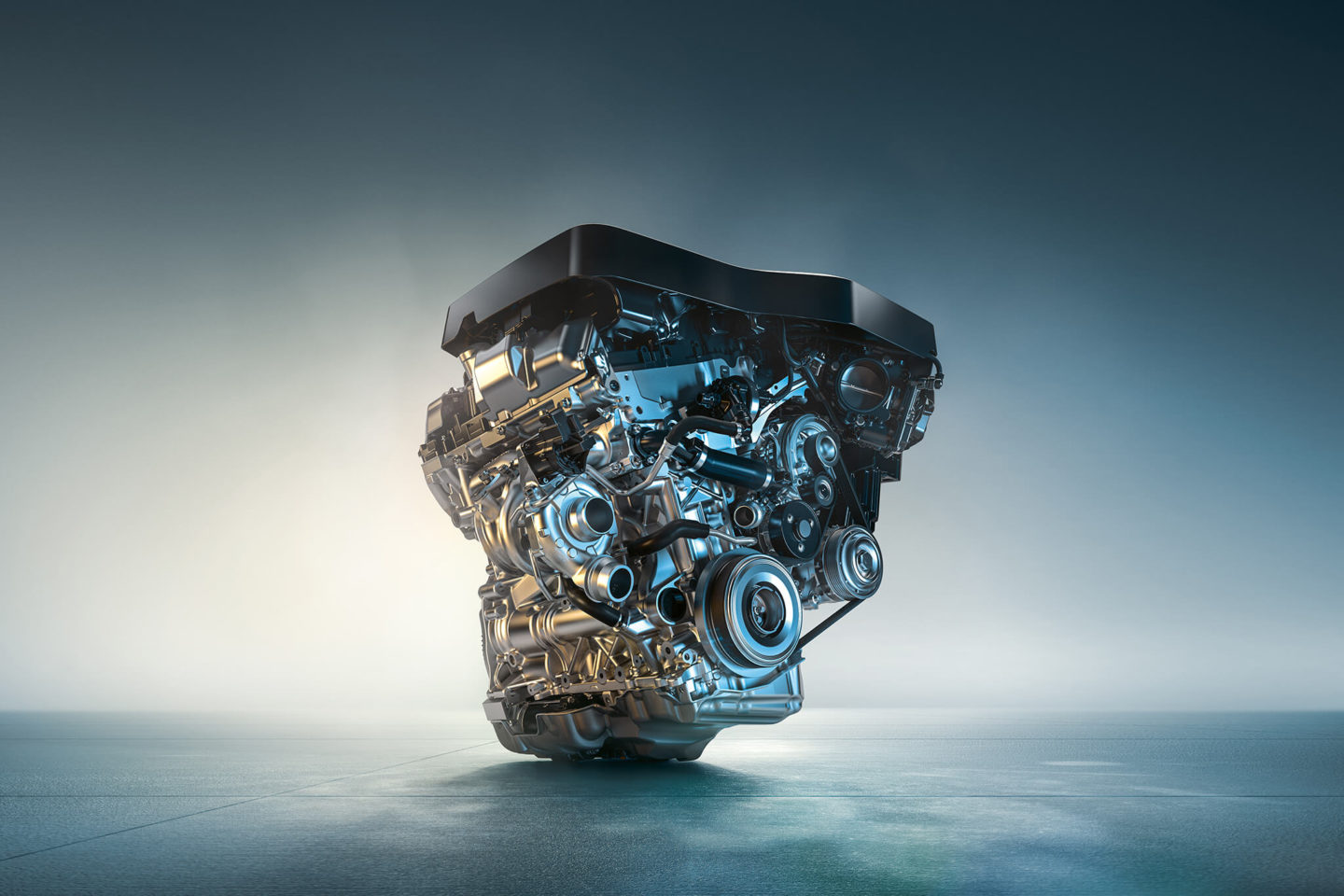
BMW’s B48 engine, a 2.0-liter turbocharged four-cylinder, offers the versatility Mercedes-Benz needs. Produced in Steyr, austria, the B48 can be configured for both transverse and longitudinal mounting, and is compatible with both conventional and plug-in hybrid systems.
Beyond Engine Supply: Potential for Broader Collaboration
Sources suggest this agreement could extend beyond engine supply, potentially encompassing shared manufacturing facilities outside of Europe, including the United States, to mitigate increasing import tariffs.This deeper collaboration could pave the way for broader component sharing in the future.
Pro Tip: Strategic partnerships like this are becoming increasingly common in the automotive industry as manufacturers navigate the complexities of electrification and global supply chains.
What impact will this collaboration have on brand perception for both Mercedes-Benz and BMW? And how will this affect the competitive landscape of the luxury automotive market?
| Component | Mercedes-Benz | BMW |
|---|---|---|
| Engine Type | M 252 (1.5L Turbo) | B48 (2.0L Turbo) |
| Hybrid Compatibility | Mild-hybrid Only | Plug-in Hybrid & conventional |
| Mounting Configuration | Transverse | Transverse & Longitudinal |
| Production Location | China (Horse JV) | Austria (Steyr) |
the automotive industry is undergoing a rapid conversion, driven by the shift towards electric vehicles and increasingly stringent emissions regulations. Strategic partnerships and collaborations are becoming essential for manufacturers to share costs, accelerate innovation, and maintain competitiveness. This trend is likely to continue as the industry evolves, with companies exploring new ways to leverage each other’s strengths and navigate the challenges of a changing market.
Frequently Asked Questions
- What is the primary reason for this potential partnership? The slower-than-expected adoption of electric vehicles is driving Mercedes-Benz to seek cost-effective solutions for its gasoline engine needs.
- Which Mercedes-Benz models might use BMW engines? The CLA, GLB, C-Class, and GLC are potential candidates for receiving BMW-supplied engines.
- Is this the first collaboration between Mercedes-Benz and BMW? No,the two companies previously collaborated on a hybrid transmission with General Motors.
- What makes the BMW B48 engine suitable for Mercedes-Benz? Its versatility in mounting configurations and compatibility with both conventional and plug-in hybrid systems.
- Could this agreement expand beyond engine supply? Yes, potential expansion includes shared manufacturing facilities to circumvent import tariffs.
We hope you found this article insightful. Share it with your network, leave a comment below, or subscribe to our newsletter for more breaking news and in-depth analysis.
