
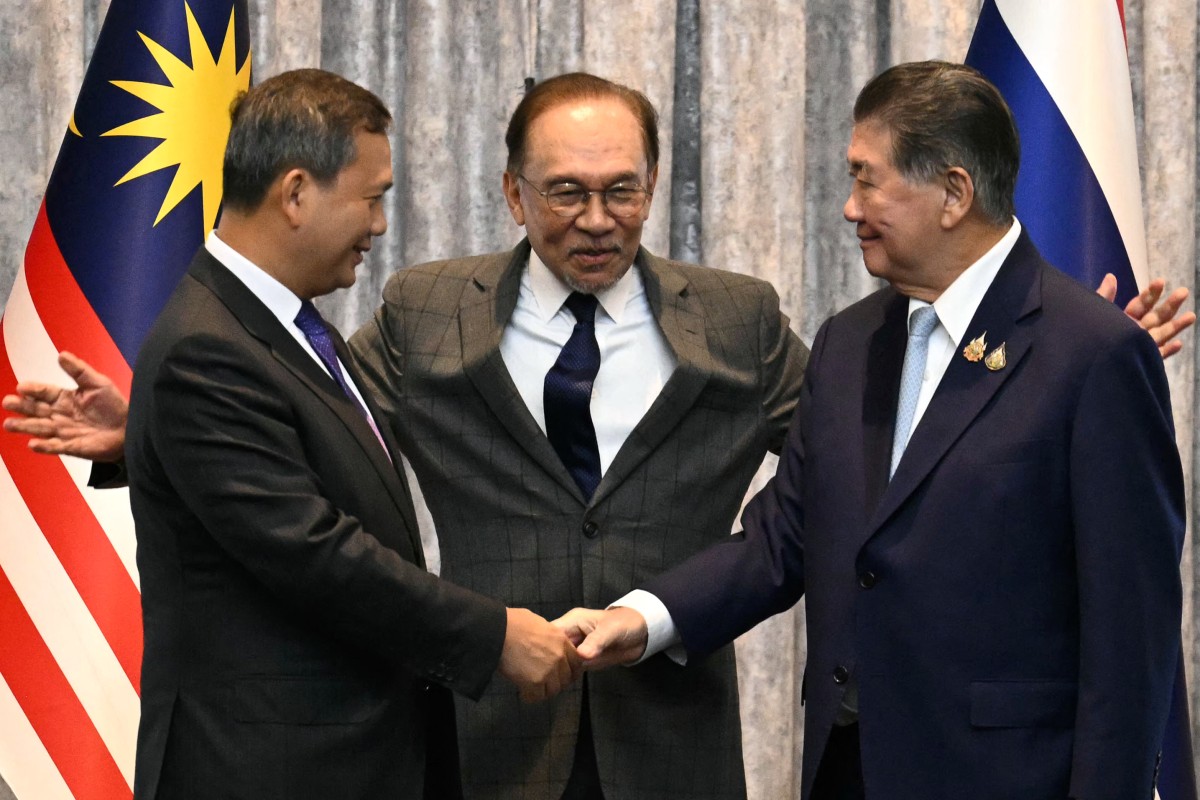
Thai-Cambodian Ceasefire Holds, but Experts Urge Deeper Peace Efforts
Malaysia’s Mediation Role Praised Amidst Regional Tensions
A recent ceasefire between Thailand and Cambodia marks a positive stride towards peace, though geopolitical analysts emphasize the need for sustained efforts to ensure its longevity. Experts highlight Malaysia’s crucial role in brokering the initial agreement.
Malaysia’s Diplomatic Leverage
Political analyst Azmi Hassan described Malaysia’s offer to mediate as “very much needed” given the escalating political tensions between the two neighboring nations. He noted that neither Thailand nor Cambodia would likely have initiated a ceasefire independently.
The choice of Malaysia as the venue for peace talks was seen as a favorable development, indicating trust in its diplomatic capabilities.
Azmi Hassan recommended that Malaysia solidify its mediating position by involving key international players like the United States and China, alongside other ASEAN partners, in subsequent peace negotiations. This broader participation, he believes, could foster a more durable peace agreement and diminish the risk of renewed conflict.
ASEAN’s Peacekeeping Potential
Professor Dr. Salawati Mat Basir, an international law expert from Universiti Kebangsaan Malaysia, commended the swift ceasefire, showcasing Malaysia’s pivotal role as an ASEAN chair in promoting regional stability.
However, she cautioned that Malaysia must maintain a central role in ongoing negotiations to prevent global superpowers from potentially complicating the peace process through their influence.
“By acting as the primary mediator, we can help prevent superpowers from intervening and influencing peace talks in a regional conflict,” she stated, adding that Malaysia should remain vigilant against any external influences that could derail the talks.
—Dr. Salawati Mat Basir, International Law Expert
Addressing Root Causes and Future Mechanisms
Associate Professor Dr. Khoo Ying Hooi from the International and Strategic Studies Department at Universiti Malaya suggested that the current ceasefire provides an opportunity to establish clear conditions for preventing future disputes.
“The root cause of this conflict has not been resolved and will likely take a long time (to address), so the focus for now must be on setting up effective mechanisms to prevent the tensions from flaring up again,” she explained. She proposed demilitarizing flashpoints and establishing a joint border committee overseen by a neutral third party, such as Malaysia.
The Malaysian Islamic Youth Movement president, Ahmad Fahmi Mohd Samsudin, called for the creation of an independent and neutral ASEAN monitoring team to ensure the effective implementation of the ceasefire. He stressed the urgent need for ASEAN to deliver humanitarian aid to all affected populations, particularly displaced communities and those who suffered casualties.
Ahmad Fahmi Mohd Samsudin also urged citizens in both Thailand and Cambodia to avoid spreading provocative or unfounded accusations online, which could undermine the pursuit of lasting peace.
The border dispute between Thailand and Cambodia has been a recurring issue, with tensions often flaring over resource-rich areas. For instance, the dispute near the Preah Vihear Temple, a UNESCO World Heritage site, has seen intermittent clashes over the past decade, highlighting the sensitive nature of border demarcation. According to the International Crisis Group, border disputes in Southeast Asia can often be exacerbated by historical grievances and competition for natural resources, making robust mediation and clear agreements crucial for long-term stability.
