
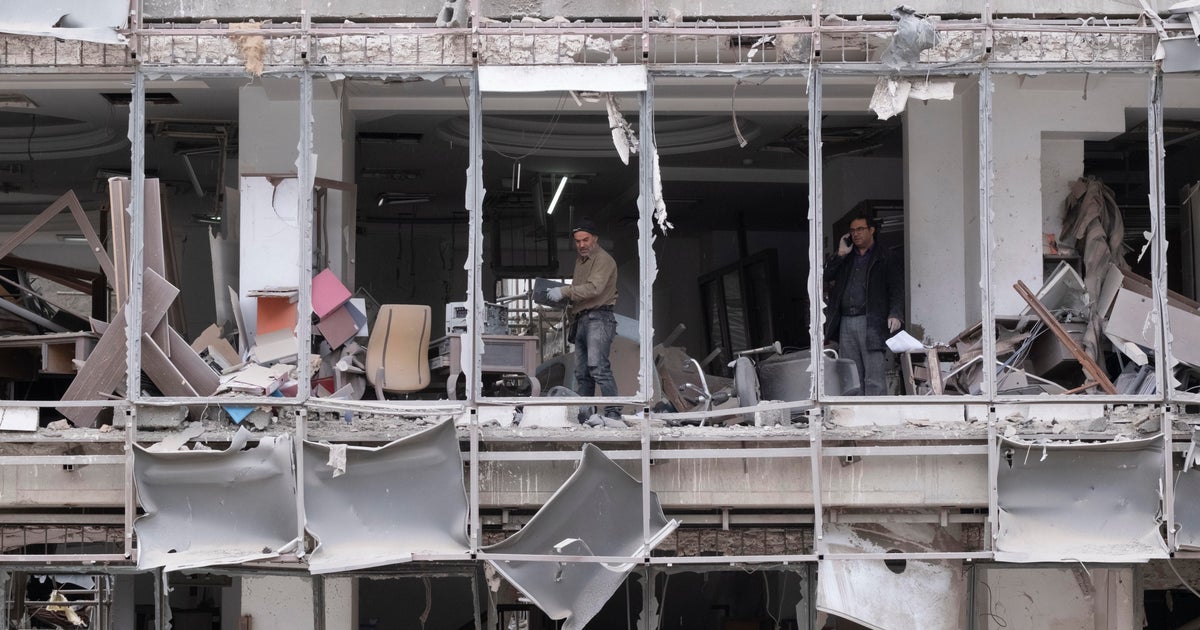
The head of the United Nations’ nuclear watchdog, the International Atomic Energy Agency (IAEA), reported Monday that it has received no indication that any of Iran’s nuclear facilities were damaged or struck during recent military actions by the United States and Israel. IAEA Director General Rafael Grossi simultaneously warned that a “possible radiological release with serious consequences” could not be ruled out, describing the situation in the Middle East as “very concerning” and urging “utmost restraint” from all parties involved.
“I reiterate my call on all parties to exercise maximum restraint to avoid further escalation,” Grossi said in a statement released as he opened a closed-door session of the IAEA’s Board of Governors. He emphasized that Iran, along with several other countries in the region currently experiencing military attacks, operates nuclear power plants and research reactors, as well as fuel storage sites, thereby increasing the overall threat to nuclear safety.
“Let me underline that the situation today is very concerning. We cannot rule out a possible radiological release with serious consequences, including the necessity to evacuate areas as large or larger than major cities,” Grossi stated. The IAEA is currently attempting to establish communication with Iranian nuclear regulatory authorities but has yet to receive a response.
The agency’s assessment comes despite claims from Iran that the Natanz nuclear facility was targeted during the recent offensive, as reported by Firstpost. Grossi’s statement, delivered on March 2, 2026, at the IAEA headquarters in Vienna, Austria, reiterated that, as of that date, no damage to Iranian nuclear installations had been detected.
The IAEA’s concerns are heightened by previous assessments of Iran’s nuclear stockpile. Just days prior to the recent strikes, the IAEA reported that Iran still possesses approximately 972 pounds of uranium enriched to 60% purity – a level nearing that required for nuclear weapons. Grossi noted on February 19 that much of this material, accumulated before previous U.S. Strikes, remains in place, though potentially less accessible.
The IAEA’s regional safety monitoring network has been placed on alert and is continuously liaising with relevant authorities. So far, no elevation of radiation levels above normal background levels has been detected in countries bordering Iran, according to the IAEA’s introductory statement to the Board of Governors.
Grossi concluded by calling for the swift resumption of diplomatic negotiations, underscoring the urgency of de-escalation in the region. The IAEA continues to monitor the situation and awaits a response from Iranian authorities.
